

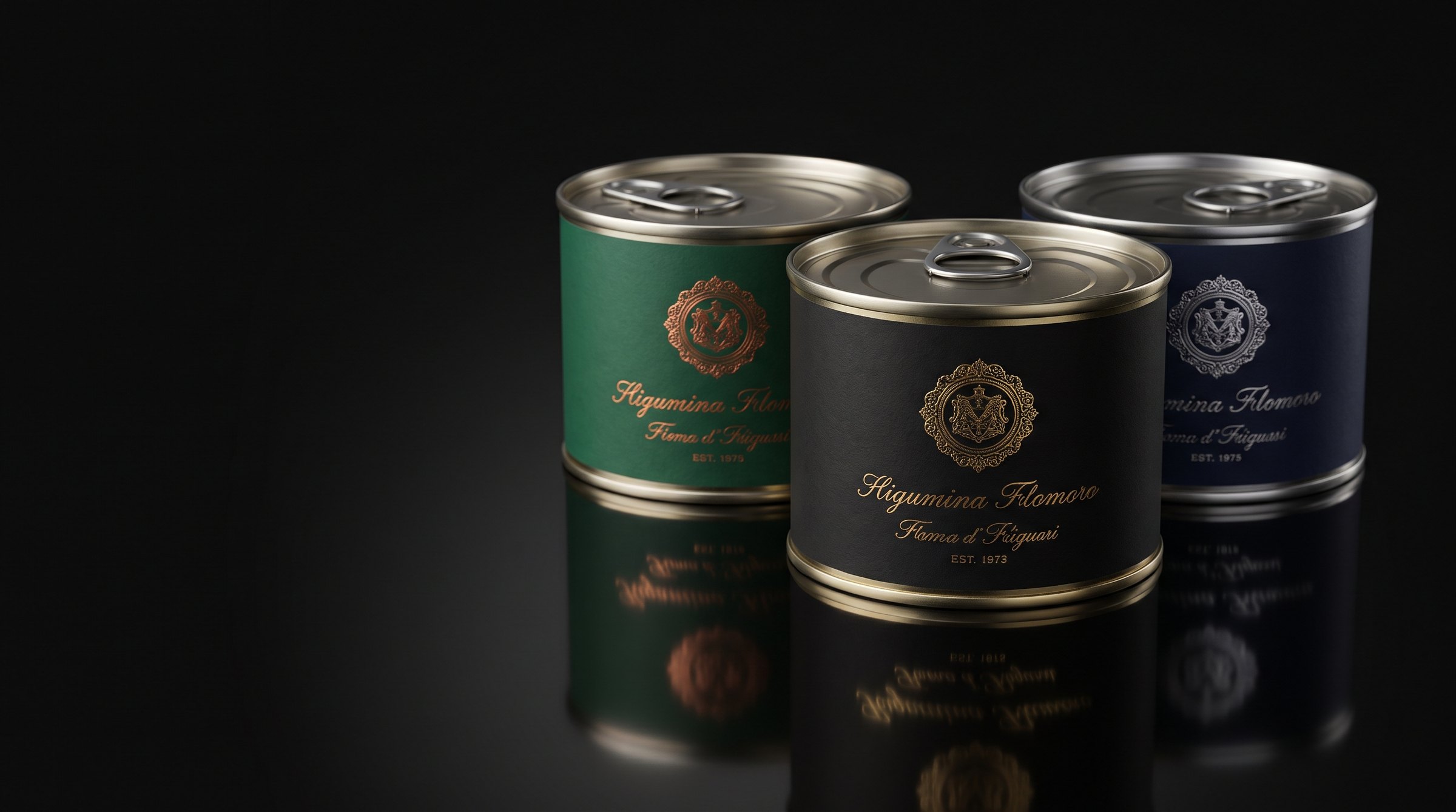
Food products under your brand
Canned fish, vegetables, fruit, mushrooms, tomato paste and rice produced for you and sold under your own label — from specification to delivery.
We build everything behind it.
Private label is a product made for you and sold under your own brand — your name, your label, your packaging design. MIC-TRADE organises the production of products from our range under your label and handles the international supply chain.
Read more: what private label is and why brands choose it
Private label — also called own brand, store brand or retailer brand — is a product that is made by one company and sold under the name of another. The brand owner decides what the product is called, how the packaging looks and which market it is aimed at; a producer makes the product to an agreed specification. For canned food this means that the can, the glass jar or the pouch carries your name and your label instead of the producer’s.
In the trade the terms “private label”, “own brand”, “white label” and “OEM” are used loosely. What matters in practice is what is written down: the product, its specification, the label artwork, the volume and the delivery terms. That is exactly what we agree with you before anything is produced.
MIC-TRADE is an international food trading company. We do not ask you to build or rent a factory. We organise the production of products from our range under your label and handle the international supply chain: cooperation with producers, specification and label approval, quality control, export documents and delivery to your market.
- Your name stays on the shelf. Customers remember your brand, not the producer’s. Positioning, price level and presentation are your decisions.
- The product stays consistent. The specification is agreed once and repeated with every order, so your customers get the same product each time.
- You decide the assortment. Choose the products, varieties and formats that fit your market — from tuna in easy-open cans to marinated mushrooms in glass jars — and add new items as your range grows.
- No investment in a factory. Production is organised for you; your effort goes into sales, marketing and distribution.
- Canned food travels well. Canned products are stable at room temperature and are shipped in full containers, which makes the category well suited to export and to long supply chains.
Every format — under your label
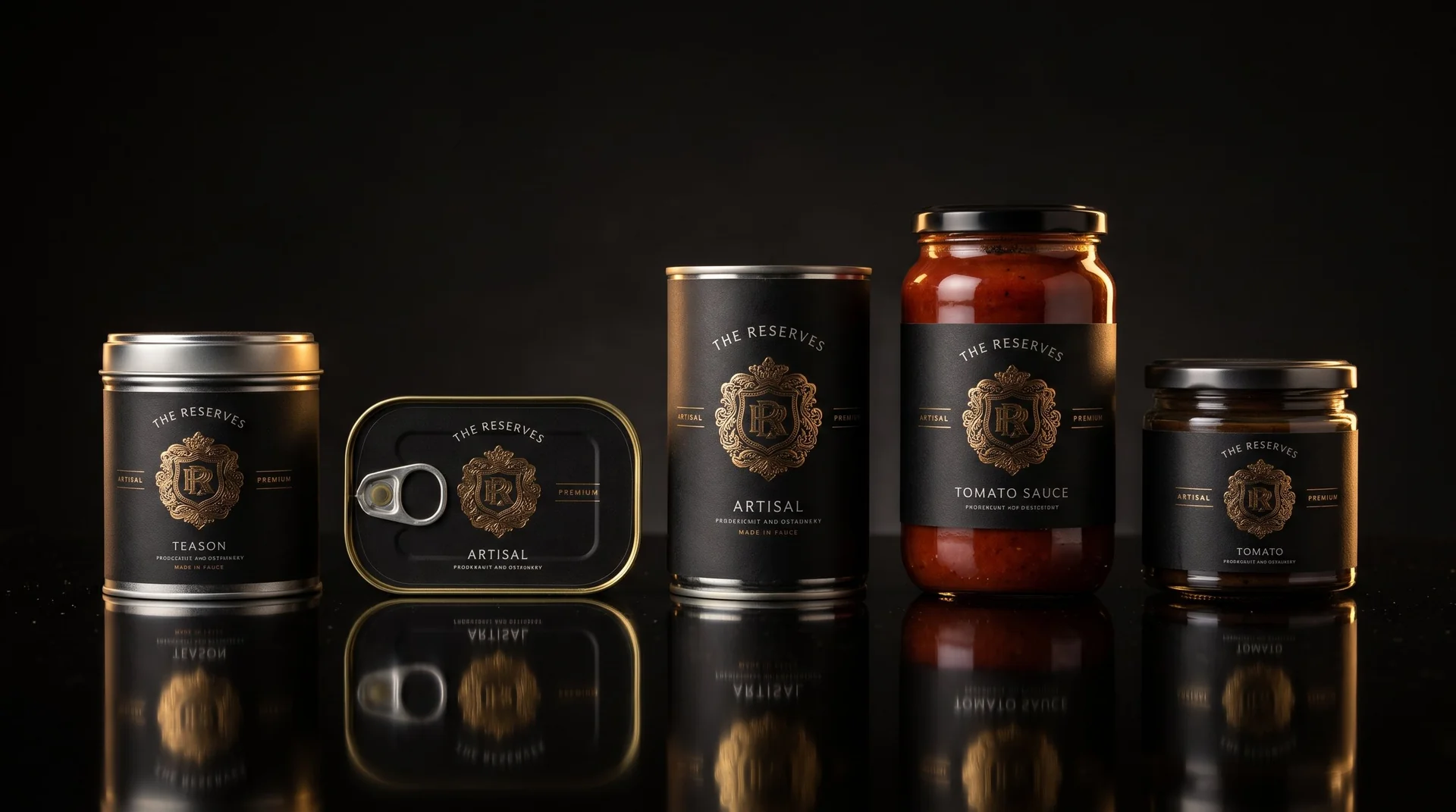
Every product in our range is available under private label. Choose a format to see the products, packing and container loading data.
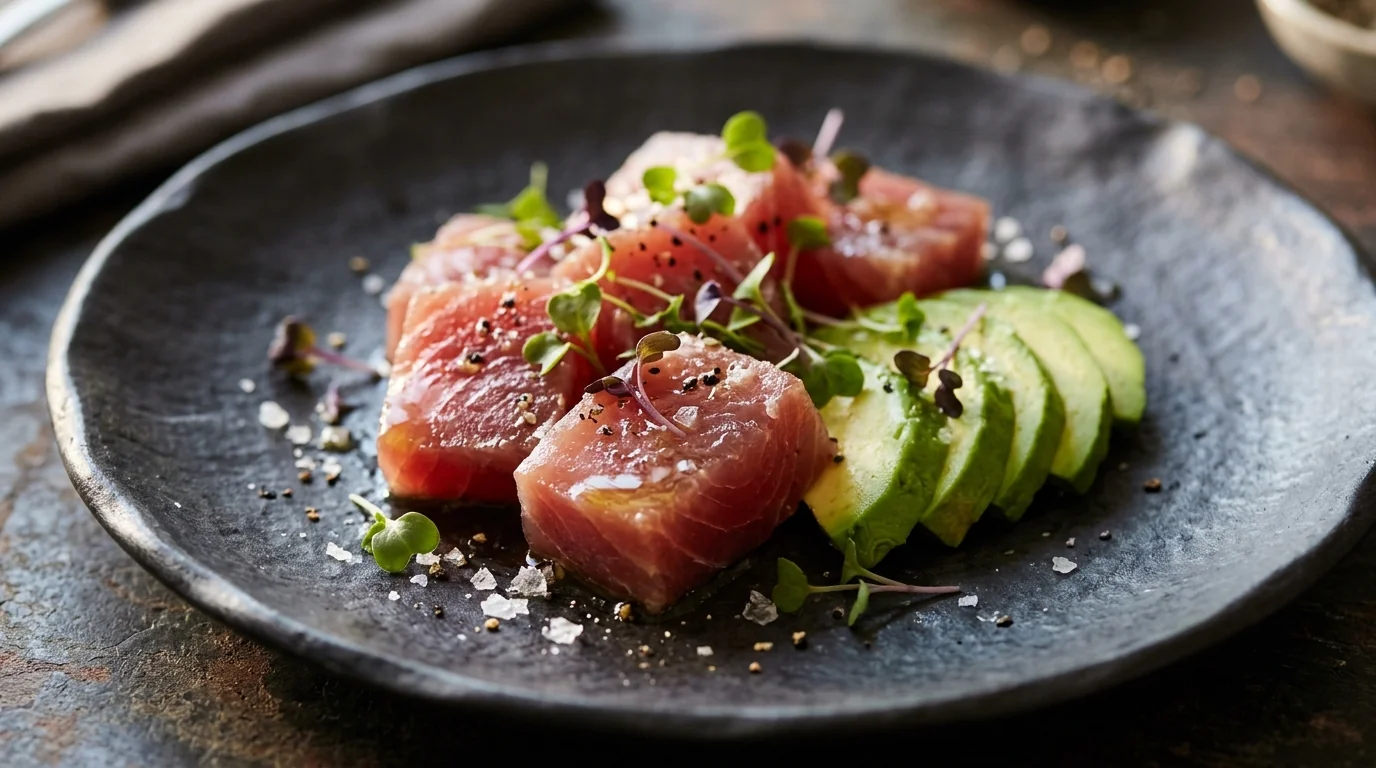
A real product. Your name.
Who private label is for
Importers and distributors
If you already import canned food, your own brand lets you widen the range and build loyalty with your customers instead of competing on the producer’s brand. You choose the products and formats; we organise the production and the container shipment.
Retail chains
A retailer can create and develop its own lines — from tuna and sardines to vegetables, fruit, mushrooms and rice — under a single own-brand label, with the same specification repeated from order to order.
Wholesale companies
Wholesalers can assemble a product line of their own for corporate and regional customers, with one brand across several product groups.
Food brand owners
If your brand already sells other food products, canned goods are a way to open new categories without investing in production capacity.
Regional trading companies
A regional company can enter new markets with products under its own brand, with documents and delivery terms prepared for the destination country.
How private label works with MIC-TRADE — step by step
After payment the order goes exactly like any other supply: production, document package, shipment.
Specification
We agree the product, variety, format, packing and delivery terms and record them in a written specification.
Label approval
You send the label artwork. We review it together with you before production starts.
Order
Once the specification and the label are approved, the order is confirmed.
Payment
Payment is made on the agreed terms.
The full process, step by step
1. Specification. Tell us which products you need, in which formats and for which market. We prepare an offer and the specification for your approval. This is the step where product, variety, packing, weights and delivery terms are fixed.
2. Label approval. You provide the artwork of your label. We review it with you against the specification before it goes into production.
3. Order. When the specification and the label are approved, the order is confirmed.
4. Payment. Payment is made on the terms agreed in the offer.
After payment — as in any other supply. Production, control of the finished product, preparation of the export documents and shipment follow the same route as a standard order.
The product specification
The written specification is the document that fixes what you are buying. It is agreed before the order is confirmed. For many products the figures are already published on the product pages, and they serve as the starting point.
| What is agreed | Examples |
|---|---|
| Product and variety | Tuna species, rice type, kind of mushroom, white or red beans |
| Cut or form | Chunks, flakes, slices, halves, kernels |
| Filling | Oil, water, syrup, tomato or white sauce |
| Weights | Net weight; weight or share of the main ingredient |
| Packaging | Can, glass jar, pouch or bag; format and size |
| Cartons and loading | Units per carton; cartons per container |
| Label | Your artwork, language and the mandatory information for your market |
| Delivery terms | Incoterms (CIF and others) and destination |
What a label usually contains / Label approval
What a label usually contains
Requirements differ from country to country, so the final list is agreed for your destination market. A food label typically includes the product name and variety; the net weight and, for canned fish and fruit, the weight or share of the main ingredient; the filling; the ingredients; nutrition information; storage conditions and the best-before date; the name and address of the brand owner or importer; the country of origin; and a barcode.
Label approval
You provide the label artwork. Before it goes to print, we review it together with you against the agreed specification — product name, weights, language and the mandatory information for your market — so that what reaches the shelf is exactly what you have approved.
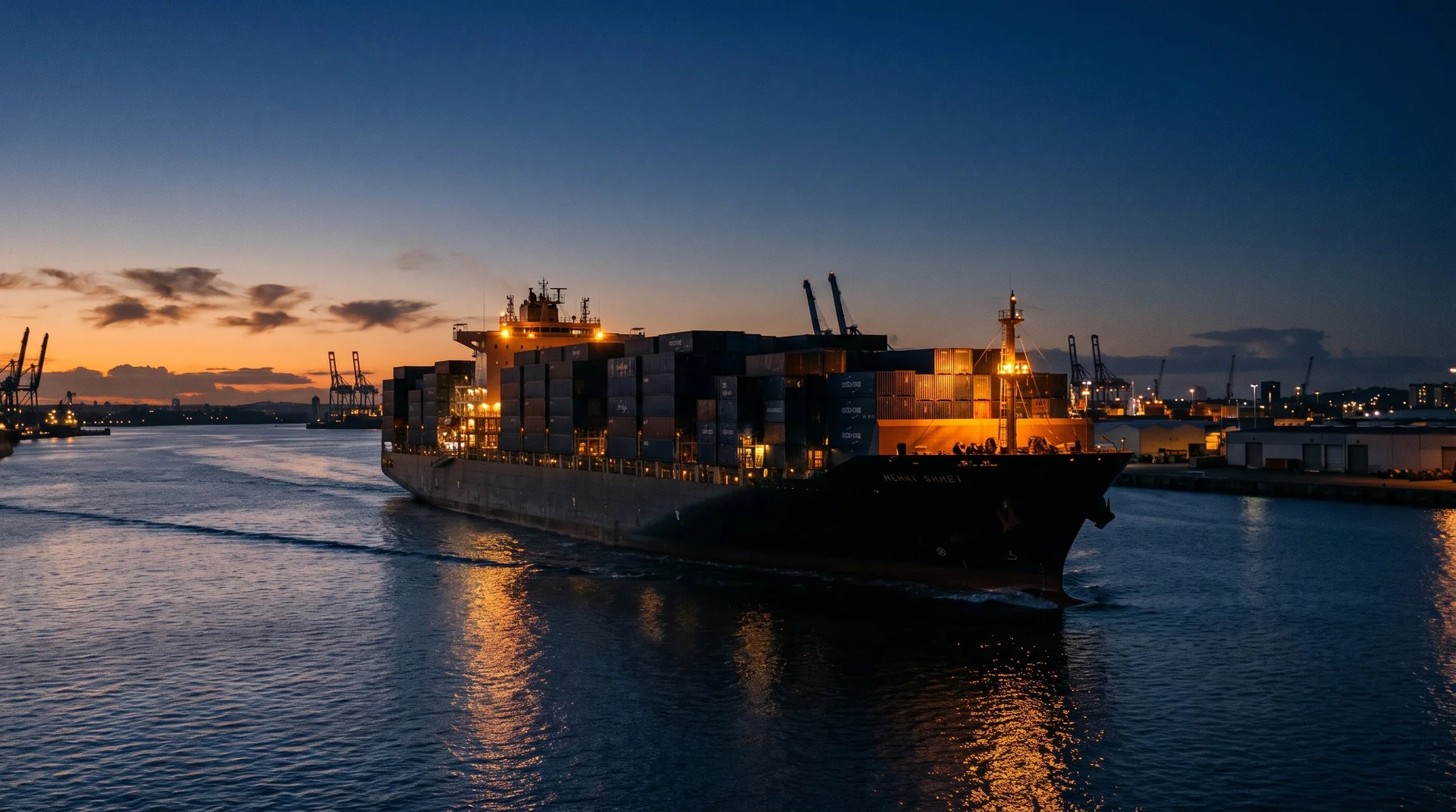
From packing — to the container
Products are shipped in full containers (FCL); delivery terms — CIF and other Incoterms — are agreed individually for your market.
Why work with us
One partner — the whole process
We coordinate work with producers, product and label approval, documents and international logistics.
Cooperation with producers
We organise cooperation with producers specialised in different categories of food products.
Control of product characteristics
We work with agreed specifications and control that the product meets the set requirements.
Commercial flexibility
Products, packing formats and delivery terms are selected for the needs of your market.
A partner for the long term
Beyond private label, we can arrange regular supplies that help you develop your distribution.
We supply importers and distributors worldwide
MIC-TRADE supplies importers and distributors in markets around the world — Europe, the Middle East, Africa, the Caucasus and Central Asia, Asia and Latin America — and organises international logistics for the destination market. Delivery terms (CIF and other Incoterms) are agreed individually.
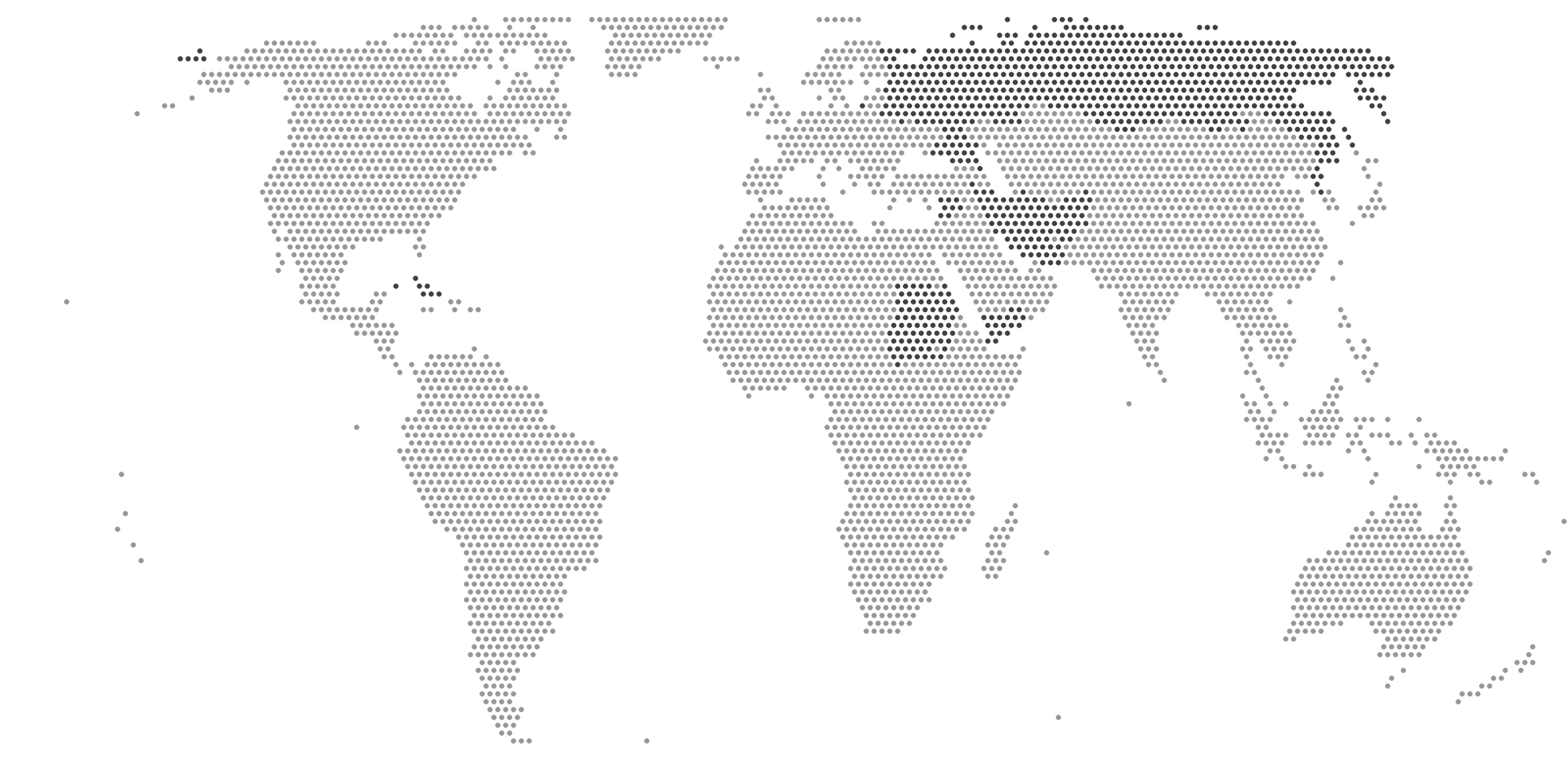











- Kyiv · Head office
- China · Production & shipping
- Buenos Aires · Regional office
- Vlorë · Regional office
Countries we do not work with
We do not work with countries under international sanctions or restrictions: Russia, Belarus, Iran, North Korea, Afghanistan, Yemen, Sudan, Syria and Cuba.
Private label — frequently asked questions
Which products can be produced under private label?
All products in our range: tuna, sardines, mackerel, pineapples, peaches, beans, green peas, sweet corn, tomato paste, marinated mushrooms and rice.
What is the difference between private label and white label?
The terms are used loosely in the trade. What matters is what is agreed: the product, its specification, the label, the volume and the delivery terms. We write these down in the specification before production.
Can I order several products under one brand?
Yes. A range can be formed from several product groups; minimum quantities are agreed for each item.
Can I use my own packaging design?
Yes. You provide the label artwork; we agree it with you before production starts.
What do you need from me to start?
The products you are interested in, the formats and the destination market. We prepare an offer and the specification for approval.
Can products be ordered for several countries?
Yes. Production terms, labelling and documents are agreed taking the destination market into account.
To which countries do you supply?
To importers and distributors worldwide, except countries under international sanctions or restrictions — Russia, Belarus, Iran, North Korea, Afghanistan, Yemen, Sudan, Syria and Cuba. Delivery terms are agreed individually.
What is the minimum order for private label canned food?
Minimum quantities depend on the product, the packing and the destination and are agreed individually. Send a request and we will come back with an offer.
Do you provide product samples?
The availability of samples and the terms of sending them are agreed individually.
Can regular supplies be arranged?
Yes. Once volumes and the order schedule are agreed, regular supplies under your brand can be arranged.
How does the order proceed after payment?
Exactly like any other supply: production, document package, shipment.
Which documents come with a shipment?
Commercial invoice, packing list, Bill of Lading, certificate of origin, veterinary certificate, laboratory analysis (Certificate of Analysis) and product specification.
Which delivery terms are available?
CIF and other Incoterms; the terms are discussed individually for your market and logistics.
Private label terms explained
Private label / own brand — A product made by a producer and sold under the brand of a retailer, distributor or other brand owner.
White label — A term often used for a ready product that is sold under another company’s label; in practice it overlaps with private label.
Contract manufacturing — An arrangement in which a producer makes a product to the customer’s specification for the customer’s brand.
OEM — Original equipment manufacturer; in food trading used loosely for production made to a customer’s requirements.
FCL — Full container load — a shipment that fills a whole container.
Incoterms — International rules that define who pays for and carries out transport, insurance and customs between seller and buyer.
CIF — Cost, Insurance and Freight — an Incoterm under which the seller arranges carriage and insurance to the destination port.
Drained weight — The weight of the solid product after the liquid has been drained from the can.
Retort pouch — A flexible heat-sterilised package used as an alternative to a can.
HS code — The Harmonized System code used in customs to classify goods.
Certificate of Analysis — A laboratory document that confirms the characteristics of a product batch.
Request a private label offer
Leave your contact details — we will get back to you with an offer.