

Bangkok Skipjack Tuna Prices Ease After Breaching $2,300 per Tonne

Whole-round frozen skipjack tuna prices (CFR Bangkok) moved into a corrective phase in November after peaking above $2,300 per tonne. A modest recovery in Pacific catch rates and import diversification by processors are easing supply tension ahead of the upcoming WCPFC meeting.
Bangkok Price Reversal: Skipjack Corrects After Topping $2,300 per Tonne
Current market data indicates that the global raw material market for canned fish entered a corrective phase in November across its primary benchmark — whole-round frozen skipjack tuna on a CFR Bangkok basis. Following a period of tight supply that pushed quotes above $2,300 per tonne, sellers and buyers have moved to negotiate lower price levels for November shipments.
The turnaround in Bangkok pricing carries broad significance across the global seafood trade, as the Thai trading and processing hub serves as the principal benchmark for canning-grade tuna raw material. Lower skipjack prices relieve cost pressure on processors following a prolonged stretch of elevated fish procurement expenses.
At the same time, price dynamics across the tuna complex remain asymmetric. In contrast to the pullback in skipjack, global yellowfin tuna quotes have held relatively firm, maintaining a pronounced price spread between the two main commercial species.
Drivers of the Correction: WCPO Catch Recovery and Alternative Sourcing
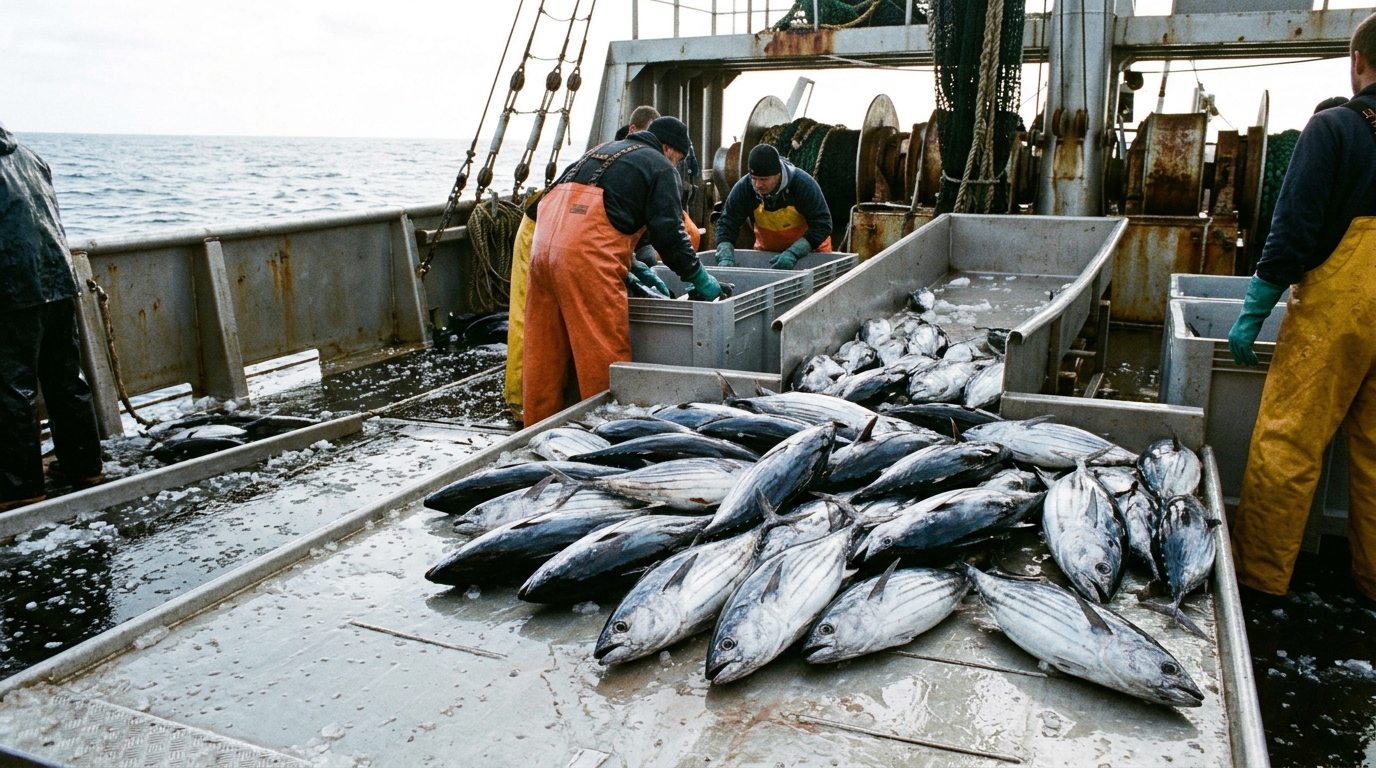
The primary catalyst cooling spot rates has been a moderate improvement in catches across the Western and Central Pacific Ocean (WCPO), managed by the WCPFC Commission. Tight raw material availability in that basin — exacerbated by earlier restrictions on fish aggregating devices (FADs) — had previously propelled Bangkok prices above $2,300 per tonne.
Additional downward pressure on Pacific whole-round skipjack quotes has come from active procurement diversification by Thai canneries. Plants have stepped up raw material imports from the Indian Ocean (IOTC jurisdiction) and expanded their use of pre-cooked tuna loins, reducing acute reliance on spot deliveries of whole fish into Bangkok.
The resilience in yellowfin pricing reflects a different supply-demand balance, with global processing hubs continuing to compete intensely for available volumes. Meanwhile, somewhat softer Thai canned tuna exports have curbed processors’ appetite to keep bidding up skipjack at peak levels.
Market Mechanics: Role of the Bangkok Index and Raw Material Format Balance
Pricing in the canned tuna sector is directly anchored to supply-and-demand conditions within Thailand’s processing cluster. Because the country concentrates the world’s largest fish-canning capacity, the landed cost of frozen raw material in Bangkok sets the baseline price corridor for finished-goods contracts across all major destination markets.
Restrictions on FAD deployment in the WCPO directly affect purse-seine fishing efficiency, reducing skipjack catch per unit of effort. Consequently, any regulatory tightening in the Pacific swiftly curtails whole-fish supply and pushes CFR Bangkok benchmarks higher.
Using cooked loins serves as an operational buffer within the processing chain. Sourcing ready-to-can semi-processed loins enables canneries to respond more flexibly to fluctuations in whole-fish landings, streamline primary processing, and mitigate exposure to localized shortages in any single ocean basin.
Industry Response: Flow Reallocation and Caution Across Export Markets
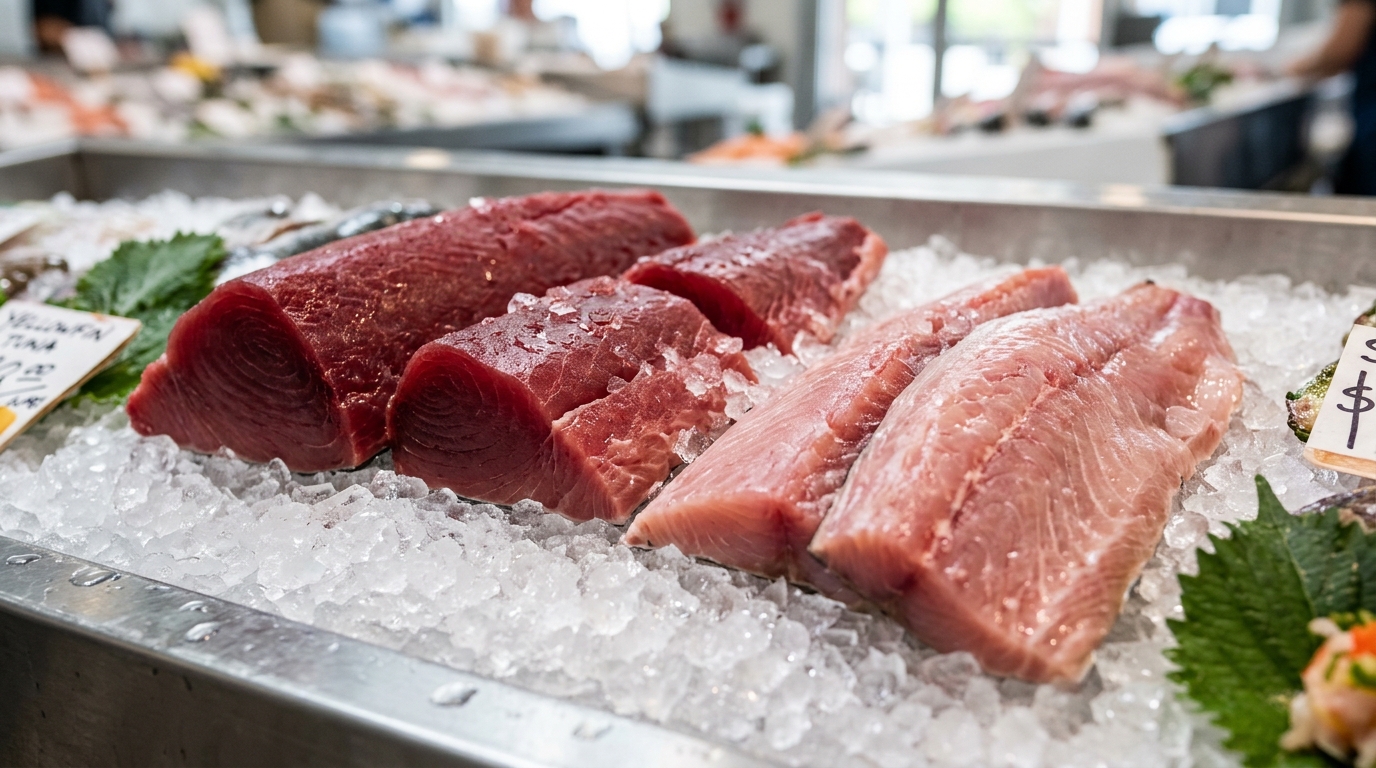
The processing sector has responded to Pacific volatility through a structural reallocation of raw material flows. Stronger procurement from the IOTC region and deeper integration of cooked loins into production schedules underscore canneries’ efforts to de-risk supply ahead of the upcoming WCPFC session, where future fishery management parameters will be reviewed.
From a trading standpoint, the November correction has allowed market participants to step back from the rigid pricing terms locked in at the height of the shortage. Even so, the inter-species spread is prompting processors and trading houses to manage product-mix planning more carefully between more affordable skipjack and higher-priced yellowfin.
International retail and HoReCa buyers have remained cautious toward prior elevated canned-product pricing, a trend reflected in somewhat softer Thai export figures. Global importers are refraining from aggressive stock building and waiting for lower raw material costs to filter through into contract offers for upcoming delivery cycles.
Outlook: Market Balance, Strategic Benchmarks and MIC-TRADE’s Role
Analytical takeaway: The raw skipjack tuna market is transitioning out of an overheated peak above $2,300 per tonne CFR Bangkok toward a more balanced equilibrium, supported by improved WCPO catches and Indian Ocean imports. Over the next 6–12 months, key areas of potential tension will remain the outcome of WCPFC decisions on fishing rules and FAD measures, alongside sustained competition for yellowfin amid cautious finished-goods demand.
Practical takeaway: For processors, international importers, and retail buyers, current dynamics underscore the strategic value of multi-basin sourcing combining WCPO and IOTC supply. Structuring contract programs and product specifications requires flexibility between skipjack and yellowfin lines, as well as factoring in semi-processed loins to stabilize supply chains.
MIC-TRADE (International Food Trading Company): MIC-TRADE is an international food trading company specializing in food commodity supply and building commercial partnerships between producers and buyers across global markets. We structure international supply chains, source qualified manufacturing partners, align product specifications, and support end-to-end export-import operations.
We place particular emphasis on product specifications, production standards, quality control, and transparent commercial terms. Explore our product range and specifications in the MIC-TRADE canned Skipjack tuna catalogue. To discuss supply, distribution, and international cooperation opportunities, reach out to our team via the contacts page.