

Canadian Dry Bean Exports Drop to 360,000 Tonnes as US Spot Prices Surge 35–45%
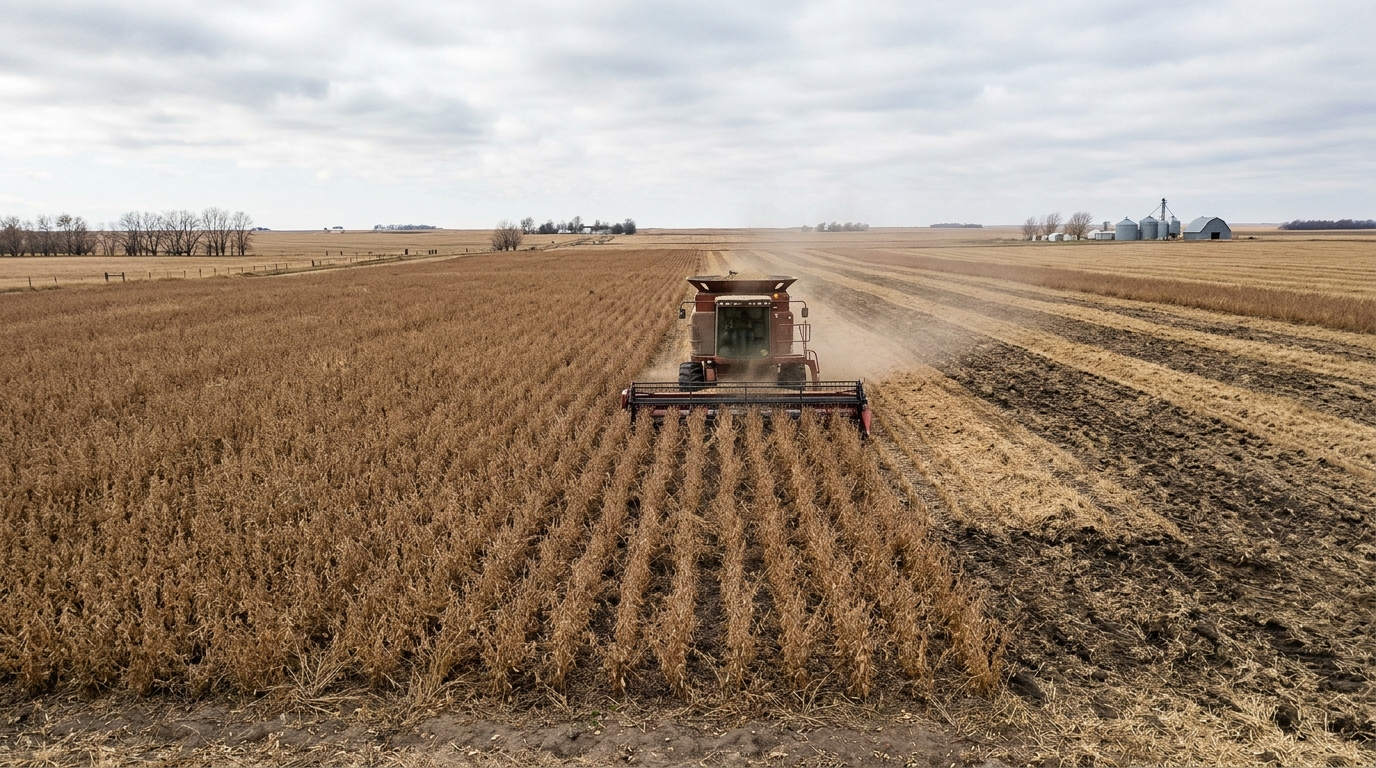
The North American dry bean market is facing a sharp contraction in exportable supply, with Canadian shipments projected to fall to 360,000 tonnes this season. Over the past 12 weeks, US spot prices for key canning varieties have surged 35–45%, intensifying cost pressures across the global food processing sector.
Scale of the North American Market Shift
Canadian dry bean exports this season are projected to decline to approximately 360,000 tonnes, down from 406,000 tonnes in the previous season. This represents a reduction of 46,000 tonnes, or more than 11% of total export volume. The contraction is highlighted in the USDA AMS (Weekly Bean, Pea, and Lentil Market Review), which points to a sharp tightening of regional export availability.
The downturn stems from a steep drop in output: Canadian production of colored beans has fallen by 26% year-on-year. The impact is pronounced across the market, as Canada serves as a major North American exporter whose surplus is traditionally directed toward international buyers.
Against this backdrop of tightening supply, US spot prices for black and pinto beans have climbed 35–45% over the past 12 weeks. With the dry edible bean harvest in key US producing states now 97–100% complete, no fresh volume is expected to enter the pipeline to ease near-term pressure. Elevated demand is concentrated in food-grade US #1 classes: black beans, pinto, Great Northern, dark red kidney, and white navy beans.
Drivers Behind the Export Deficit and Price Rally
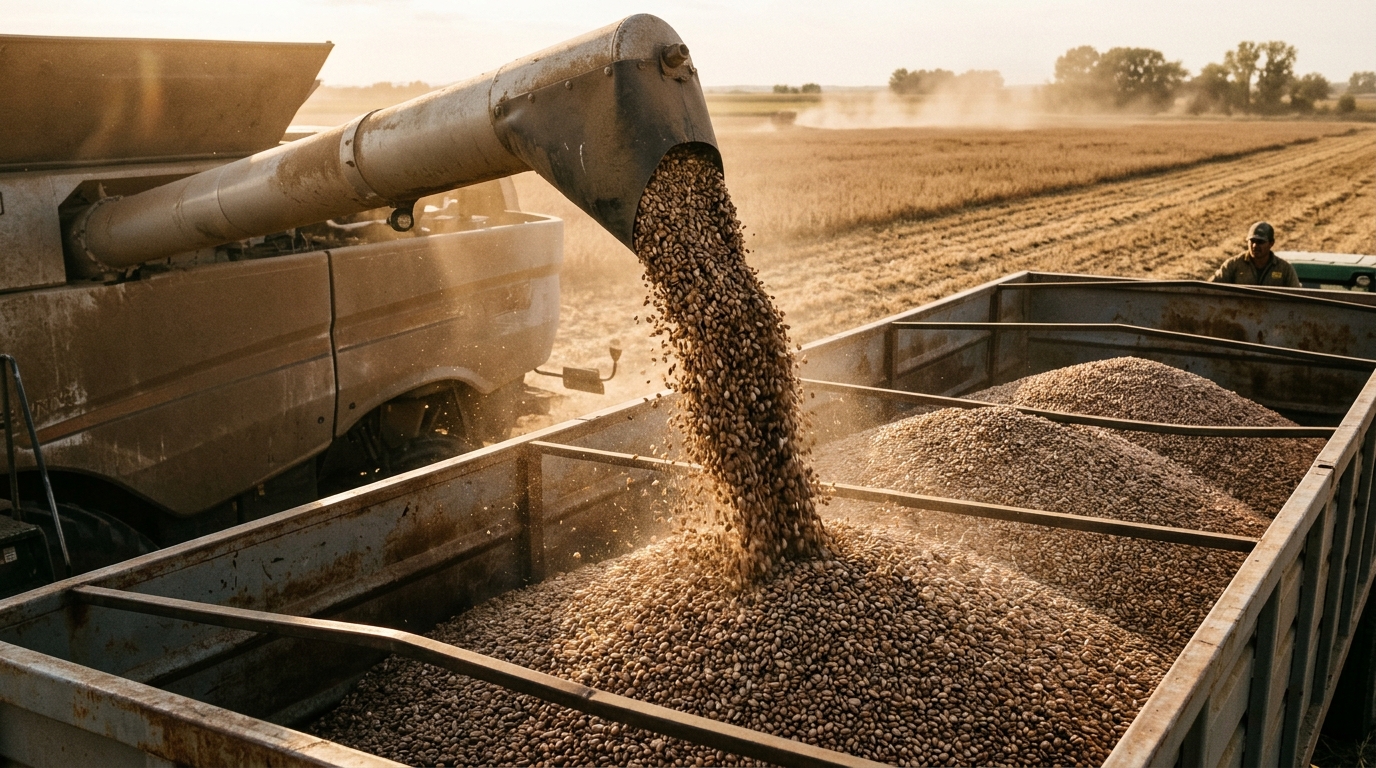
The primary driver is the contraction in Canada’s total harvest. When colored bean output drops 26% in a single season, domestic demand and prior contractual commitments absorb a large share of available stocks. Less volume remains for export, lowering the shipment ceiling from 406,000 to 360,000 tonnes.
A second factor is the integrated structure of the North American market. The United States and Canada operate as a single logistics and pricing basin, meaning the loss of 46,000 tonnes in Canadian export supply redirects demand toward US lots. This heightened competition on the spot market explains the rapid pace of price appreciation over the past 12 weeks.
The third factor is the limited availability of specification-grade raw material. Even though the US harvest is virtually complete (97–100%), the canning sector requires US #1 grade beans with strict varietal uniformity and intact seed coats. The share of lots suitable for food-grade processing is likely narrower than the headline harvest total, leaving little room for a quick rebalancing of supply.
How Dry Raw Material Inflation Transmits to the Canning Sector
For the canning industry, the transmission effect is direct. Pulse processing runs year-round using dried beans held in elevator storage and fed continuously into soaking and blanching lines. As a result, shifts in raw material pricing and availability feed rapidly into production schedules and unit costs.
North American benchmarks set the reference point for four core industrial classes: black beans, pinto, dark red kidney, and white navy beans. The latter serves as the primary raw material for producing canned white beans in tomato sauce or brine. Because supply tightness is occurring simultaneously across multiple benchmark classes, processors have minimal scope to reduce formulation costs by substituting one variety for another.
Consequently, the surge in dry raw material costs—up 35–45% for black and pinto beans—exerts direct upward pressure on the production cost of finished canned goods. Procurement pricing and access to residual food-grade lots have become the primary constraints on industry margins.
Industry Response: Processors, Retail, and Global Trade Flows

Faced with tight spot availability, processors are likely moving away from wait-and-see short-term purchasing strategies. Market dynamics are pushing buyers to compete for remaining crop lots and lock in forward contracts early for the winter production cycle to secure US #1 grade volumes before inventories are drawn down.
Retail and HoReCa segments, including operators of Private Label programs, are confronting higher raw material costs. This typically prompts revisions to delivery schedules and broader geographic sourcing. Buyers are increasingly incorporating flexible specifications, allowing diversification across white and red bean varieties depending on prevailing price spreads.
Globally, the drop in Canadian exports to 360,000 tonnes is triggering a reallocation of international trade flows. Traditional importers of North American beans are being forced to shift part of their demand toward alternative supply basins in Latin America, East Africa, and Europe, generating secondary price pressure across competing exporting origins.
Conclusions and Guidance for Market Participants
Analytical Conclusion: The North American dry bean balance has shifted decisively toward a structural supply deficit and a seller’s market. With the US harvest nearly complete (97–100%) and Canadian exports capped at 360,000 tonnes following a 26% drop in colored bean production, supply elasticity over the next 6–12 months will remain low until the next planting cycle. The central market tension lies between winter processing requirements and tight carryover stocks of food-grade beans.
Practical Takeaway: For canning processors, international importers, and retail chains, current conditions underscore the need for earlier raw material planning and multi-origin diversification. Engaging alternative sourcing regions, agreeing on flexible varietal specifications, and reserving processing capacity in advance are essential to mitigate spot price shocks and maintain continuity of supply for finished canned products.
MIC-TRADE (International Food Trading Company): MIC-TRADE is an international food trading company specializing in food commodity supply and building commercial links between producers and buyers across global markets. We manage international supply chains, source manufacturing partners, align product specifications, and oversee export-import operations, with a focus on product characteristics, production standards, quality control, and transparent commercial terms. To review our product range and specifications, visit our canned white beans page. To discuss supply, distribution, and international cooperation opportunities, reach out to our team via our contacts page.