

Canned Atlantic Mackerel Fillets: Nordic Succulence, Omega-3s, and Smørrebrød
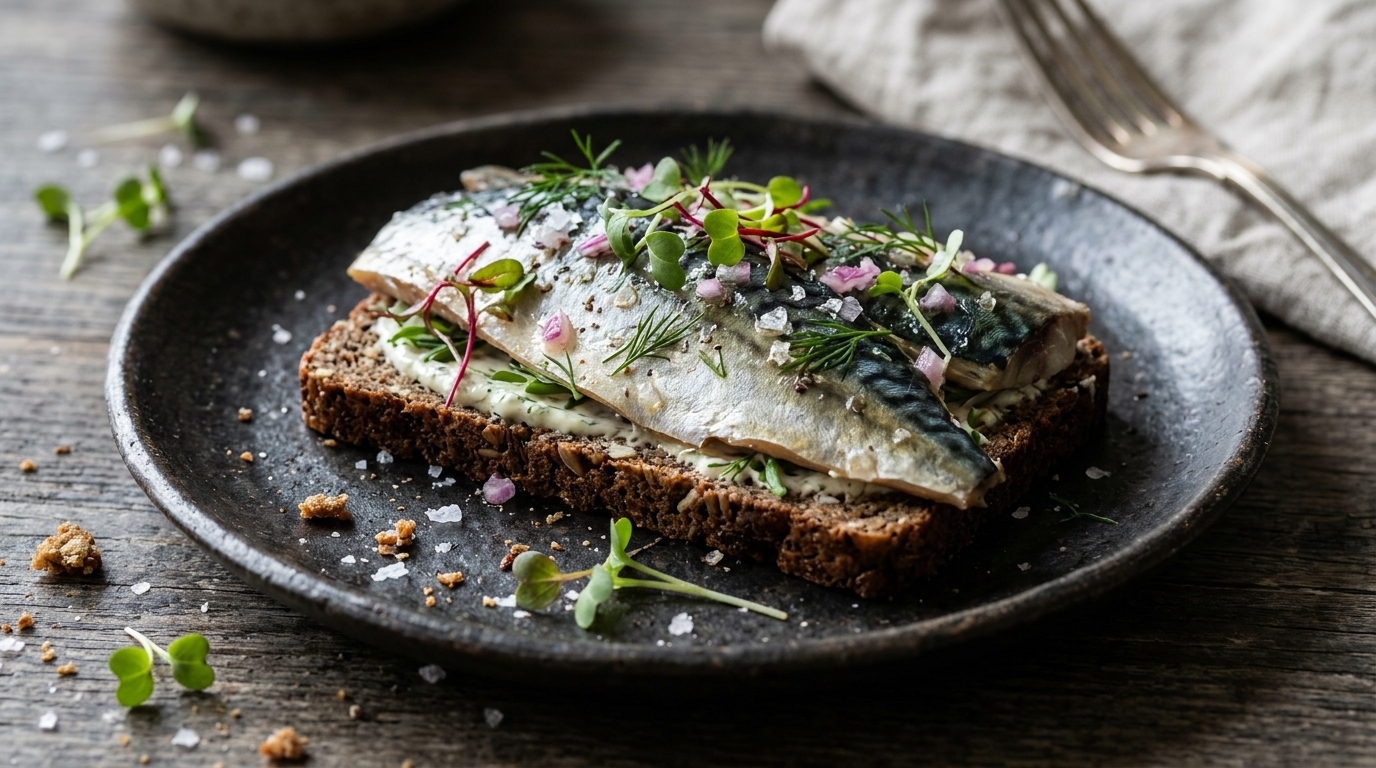
Northern seas have long shaped a distinct culinary aesthetic defined by purity of flavor, pronounced texture, and high nutrient density. Atlantic mackerel occupies a prominent place among cold-ocean catches, combining succulence, a firm muscular structure, and a distinctive gastronomic profile. Today, it is highly valued as a foundation for signature appetizers, salads, and traditional open-faced sandwiches. Modern preservation standards treat high-grade fish as a ready-to-serve gourmet ingredient. Preserving natural succulence and selecting whole fillet cuts allow the pristine quality of an oceanic catch to transition directly onto the plate. Delicate packing media complement the fish’s natural profile, establishing a balanced harmony between tender muscle flakes and a mild, rich finish. This expert overview explores the culinary potential and consumption culture of premium mackerel fillets. We examine oceanic provenance, at-sea brine freezing technology, biochemical nutrient density, and authentic Nordic and Mediterranean pairings capable of elevating both restaurant menus and everyday home dining.
Northern Maritime Heritage and the Gastronomic Standing of Mackerel
Northern European culinary heritage has always centered on respect for marine resources and the capacity to preserve their nutritional integrity. Atlantic mackerel (Scomber scombrus / Scomber japonicus) belongs to the pelagic species inhabiting open northern and temperate ocean waters. Its natural flavor profile is distinguished by depth and exceptional succulence, establishing a dedicated following across culinary traditions.
Mackerel is widely favored in contemporary gastronomy for its defined texture and natural velvety mouthfeel. It pairs exceptionally well with acidic, fresh, and piquant ingredients, delivering balance in complex dish compositions. High-quality canned fish serves as an efficient, versatile solution for professional chefs and culinary developers seeking consistent product specifications, clean taste, and rapid plating execution.
Advancements in at-sea processing technologies have positioned canned fillets as a refined component of a balanced daily diet. Premium whole cuts, preserved in their purest state, retain their original muscular structure and natural organoleptic attributes. In international culinary practice, mackerel stands as a benchmark of cold-water marine freshness and mindful nutrition.
Natural Oceanic Provenance and Harvest Grounds
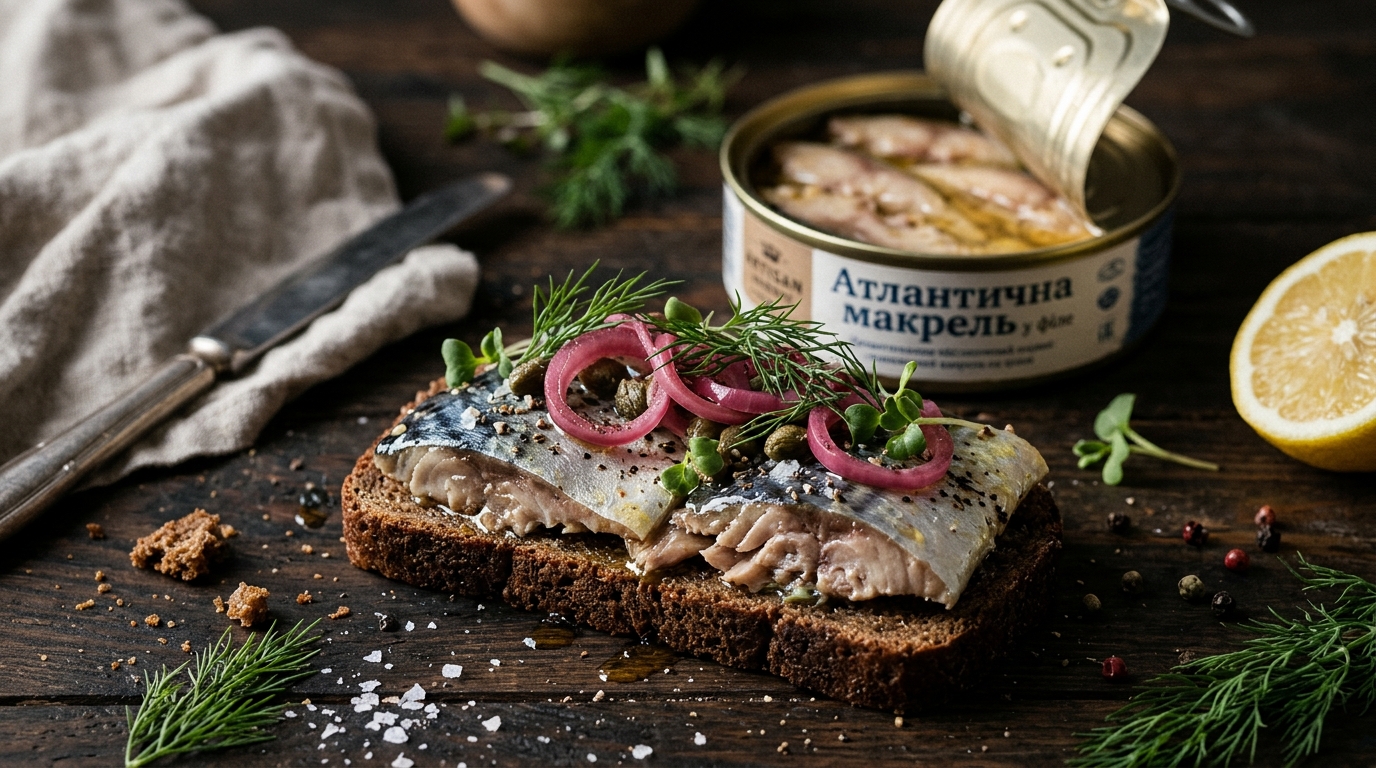
Atlantic mackerel (Scomber scombrus / Scomber japonicus) is a cold-water pelagic fish of open northern and temperate ocean zones. It leads an active migratory existence in large schools across open offshore waters.
As a highly active pelagic species of cold waters, Atlantic mackerel develops meat containing record concentrations of Omega-3 fatty acids.
The open-sea habitat of northern and temperate latitudes provides optimal ecological conditions for mackerel stocks. Pelagic offshore harvesting ensures consistent biomass characteristics for prompt primary processing.
Organoleptic Profile, Marbled Texture, and Packing Media Options
The primary aesthetic hallmark of the product lies in its visual definition and cohesive texture. Atlantic mackerel features refined, succulent, and dense meat with an attractive marbled pattern, free of fine bones (selected fillet cuts or cross-sectional steaks). These cuts hold their structural integrity during plating, enabling elegant culinary presentations.
Mackerel’s flavor spectrum stands out distinctly among marine seafood. It is characterized by a deep, rich, savory profile with a delicate aroma and remarkable tender juiciness, seamlessly balancing rich flakiness with subtle savory undertones.
The character of the finished dish is largely guided by the choice of packing medium, engineered to complement the fish. The product is offered in two classic variations:
- In refined sunflower oil — the oil gently coats the muscle flakes, accentuating the velvety texture of the fillet.
- In natural brine with sea salt — a lighter formulation that highlights the clean, intrinsic flavor profile of the fish.
Opting for mackerel fillets in oil provides an optimal base for hearty toasts, canapés, and emulsion sauces. The natural brine variant excels in crisp fresh salads, where the fish integrates seamlessly with fresh vegetable components.
Quality Anatomy and Raw Material Selection Standards

Raw material quality control begins with rigorous fillet inspection. Canning operations utilize select fillet portions or cross-cut segments featuring firm, succulent meat with characteristic marbling. This guarantees clean visual appeal within the can and optimal ease of kitchen preparation.
Premium fillet cuts and cross-sectional segments are free of pin bones. This significantly accelerates kitchen workflow, as the product is fully ready to serve without requiring additional trimming or deboning prior to plating.
The distinctive marbling of mackerel meat is a natural visual signature. Resilient muscle fibers and a dense flake structure maintain their integrity upon decanting, enabling attractive, restaurant-grade presentations in both chilled and warm dishes.
Gastronomic Applications: Smørrebrød, Signature Salads, and Foodservice Pairings
Atlantic mackerel is a cornerstone of regional food cultures spanning from the North Sea basin to the Mediterranean coastline. It forms the backbone of Northern European and Mediterranean recipes — classic Scandinavian open-faced smørrebrød, warm roasted potatoes with mackerel and garden herbs, and crisp salads tossed with mustard vinaigrette. Thanks to its rich intrinsic flavor, the fish pairs harmoniously with earthy root vegetables as well as complex garden greens.
Scandinavian Smørrebrød: Classic Plating Architecture
The classic mackerel smørrebrød exemplifies structural and sensory balance. Dense sourdough rye bread, spread with a thin layer of butter or horseradish cream, serves as the structural foundation. It is topped with whole succulent mackerel fillets, pickled red onion ribbons, capers, fresh dill, and crisp radish slices. The inherent richness of the fish is balanced by the sharp acidity of the pickle and the snap of fresh garden vegetables.
Roasted Potatoes and Warm Compositions
In both commercial and casual dining, roasted new potatoes with mackerel and fresh herbs deliver a time-tested combination. Warm, cracked potatoes are dressed with tender fillet flakes, chopped scallions, chives, and a finishing drizzle of oil. The residual heat of the potatoes activates the aromatic volatile compounds of the fish, enhancing its full sensory depth.
Mustard-Dressed Salads and Mediterranean Expressions
Mustard-dressed salads represent an established benchmark for mackerel service. For vibrant lunch menus, chefs combine crisp greens, soft-boiled eggs, tender green beans, and succulent fillet portions. Mackerel also integrates effortlessly into Mediterranean pasta dishes and warm appetizers with sun-ripened tomatoes and olives, imparting rich savory depth.
Biochemical Value and Nutritional Profile
Atlantic mackerel is renowned for its high concentration of vital nutrients. The species stands as a verified benchmark for lipid density: yielding over 2.0–2.8 g of polyunsaturated Omega-3 fatty acids per 100 g (among the highest levels recorded across all commercial edible fish species).
Beyond its lipid profile, mackerel supplies high-biological-value protein, providing 19.0–22.0 g of easily digestible protein per 100 g with a complete essential amino acid profile.
The micronutrient matrix of mackerel supports comprehensive physiological functions. It is rich in vitamin B12, vitamin D3, phosphorus, selenium, and iodine, which collectively support immune function and thyroid health.
| Nutrient / Metric | Content per 100 g of Product | Functional and Nutraceutical Significance |
|---|---|---|
| Easily digestible protein | 19.0–22.0 g | Complete protein with a full essential amino acid profile |
| Polyunsaturated Omega-3 fatty acids | Over 2.0–2.8 g | Among the highest values recorded across all commercial edible fish |
| Vitamin B12 | Present in natural concentrations | Integral to the micronutrient complex supporting immune function |
| Vitamin D3 | Present in natural concentrations | Naturally occurring fat-soluble vitamin complex |
| Mineral complex (phosphorus, selenium, iodine) | Present in natural concentrations | Essential trace minerals supporting metabolic and thyroid function |
| Fish content per can (drained weight) | No less than 70% | Selected whole fillet cuts or cross-sectional steaks |
| Histamine level | Less than 50 ppm | Strict quality verification for raw marine freshness and safety |
Processing Integrity: At-Sea Preservation Standards
Preserving the sensory qualities of pelagic fish is an exacting technical task that begins immediately at sea. The cold chain relies on on-vessel brine freezing at -18°C within the initial hours of catch, paired with strict histamine monitoring below 50 ppm. Rapid freezing shortly after harvest preserves raw material freshness and cellular structure.
Processing standards mandate a strict balance between fish mass and packing medium. Specifications require no less than 70% selected fish in every Easy-Open can. This ensures commercial buyers receive a generous portion of firm fillet rather than excessive packing liquid—a core benchmark of responsible industrial packing.
The cans are manufactured with internal protective BPA-NI polymer coatings. Steam retort sterilization at 121°C combined with BPA-NI barrier liners guarantees commercial sterility, food safety, and long shelf life without artificial preservatives.
Production processes comply with international standards: ISO 9001:2015, ISO 22000:2018, and HACCP. Learn more in our section on quality control and food safety standards.
Commercial Procurement Standards and the MIC-TRADE Advantage
Procuring canned fish for the HoReCa and organized retail sectors requires absolute predictability across every specification: from piece grading to packaging durability. Canned Atlantic mackerel offers daily operational convenience via Easy-Open lids, simplifying back-of-house workflow and enabling rapid culinary integration.
International commodity trader MIC-TRADE prioritizes consistent physical specifications and full lot compliance with global food safety regulations. Our supply programs focus on standardized quality metrics, transparent catch provenance, and rigorous adherence to technical manufacturing standards.
For seasonal menu development, high-volume catering, or supermarket private-label programs, premium canned Atlantic mackerel fillets from MIC-TRADE provide a reliable benchmark of commercial quality. The product combines the cold-water qualities of northern oceans: a pronounced taste profile, high nutritional value, and operational convenience.
To review detailed product specifications, explore contract supply options, or receive tailored commercial consultation for your business, please contact the MIC-TRADE commodity team.