

Tender Canned Green Peas: Brine Quality, Texture, and Culinary Presentation
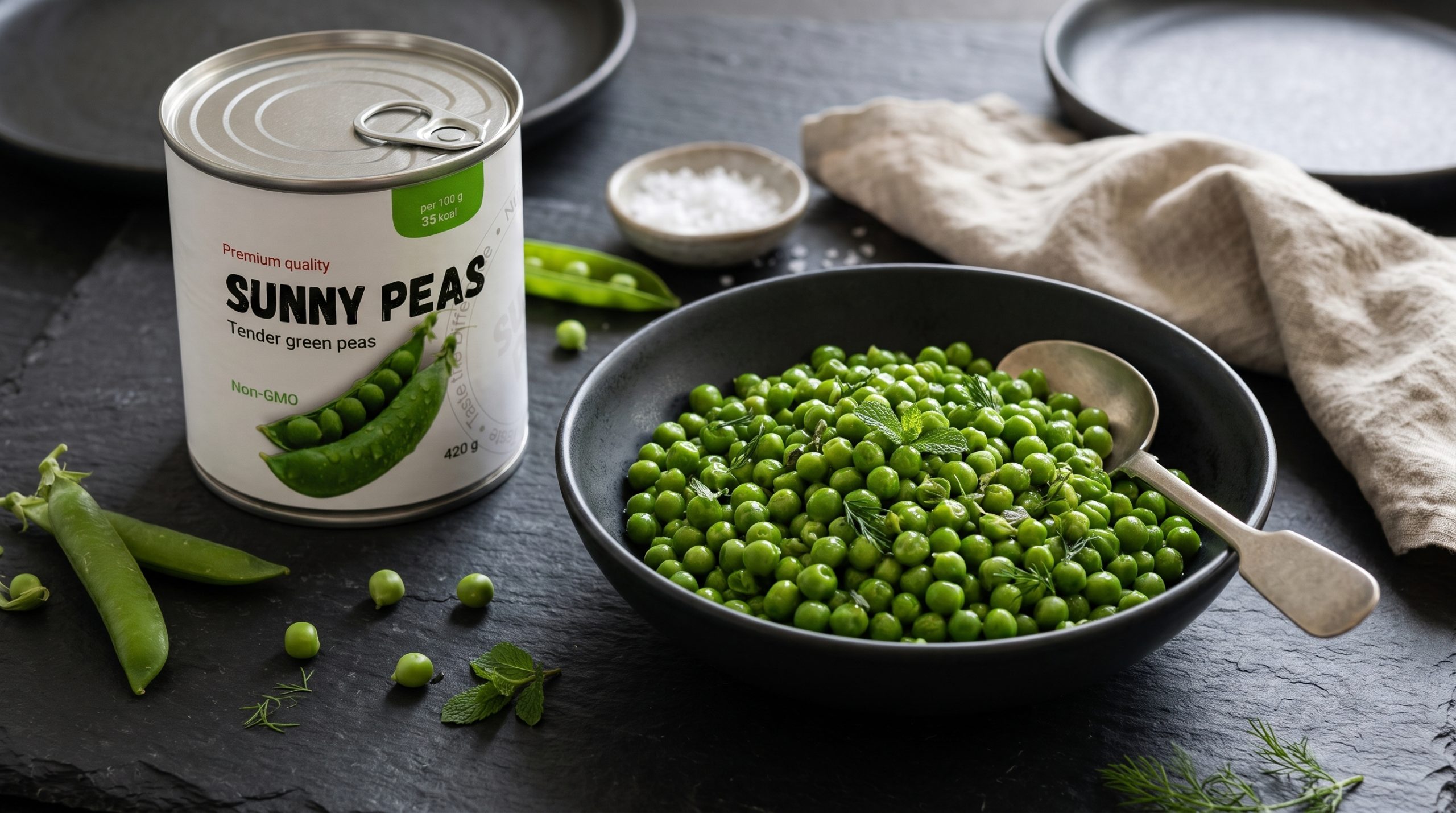
In contemporary gastronomy and professional foodservice, green peas occupy a distinct position, combining culinary versatility with refined visual presentation. The ingredient brings freshness, colour contrast, and delicate sweetness to a dish. When whole kernels with a soft yet firm texture open on the palate, they deliver a balanced flavour profile valued by executive chefs. From classic vegetable pairings to modern European menus, tender green peas add definition and visual completeness to the plate. For commercial kitchens, the appeal of high-grade canned green peas lies in the consistency of their organoleptic properties. The kernels retain their characteristic slightly sweet flavour free of off-notes, alongside a natural colour ranging from green to light green. A calibrated brine preserves the structural integrity of each pea, enabling use across cold starters and salads as well as warm side dishes, soups, and sauces. This predictability in texture and taste makes canned green peas a dependable input for restaurants and catering operators. For distributors, importers, and wholesale buyers, strict compliance with technical specifications is paramount. Regular wholesale shipments of canned green peas require verified physicochemical parameters, raw-material purity, and microbiological safety. The quality of every production batch is confirmed by laboratory analysis and a certificate of quality aligned with the product specification, providing a reliable basis for long-term international supply partnerships.
Botanical Origin and Characteristics of Pisum sativum
The botanical basis of the product is the cultivated species Pisum sativum, a member of the legume family. Canned tender green peas under the Sunny Peas brand, part of the international portfolio of MIC-TRADE, originate from China. The product consists of whole shelled green peas packed in brine, prepared for extended shelf life and practical deployment across HoReCa, retail, and food processing.
Cultivation practices focus on producing kernels with uniform structure suitable for industrial shelling and thermal canning. Thorough pod cleaning and kernel separation yield a clean plant-based ingredient that retains its shape and natural density throughout processing. Careful shelling keeps the peas intact, which is critical for maintaining sensory performance in a liquid medium.
In international commodity trade, raw-material origin and precise botanical identification serve as primary selection criteria for buyers. Products in the Sunny Peas line undergo standardized inspection protocols, enabling the supply of uniform shelled pea lots fully aligned with the technical requirements of modern retail and industrial food manufacturing.
Organoleptic Profile: Colour Nuances, Texture, and Flavour
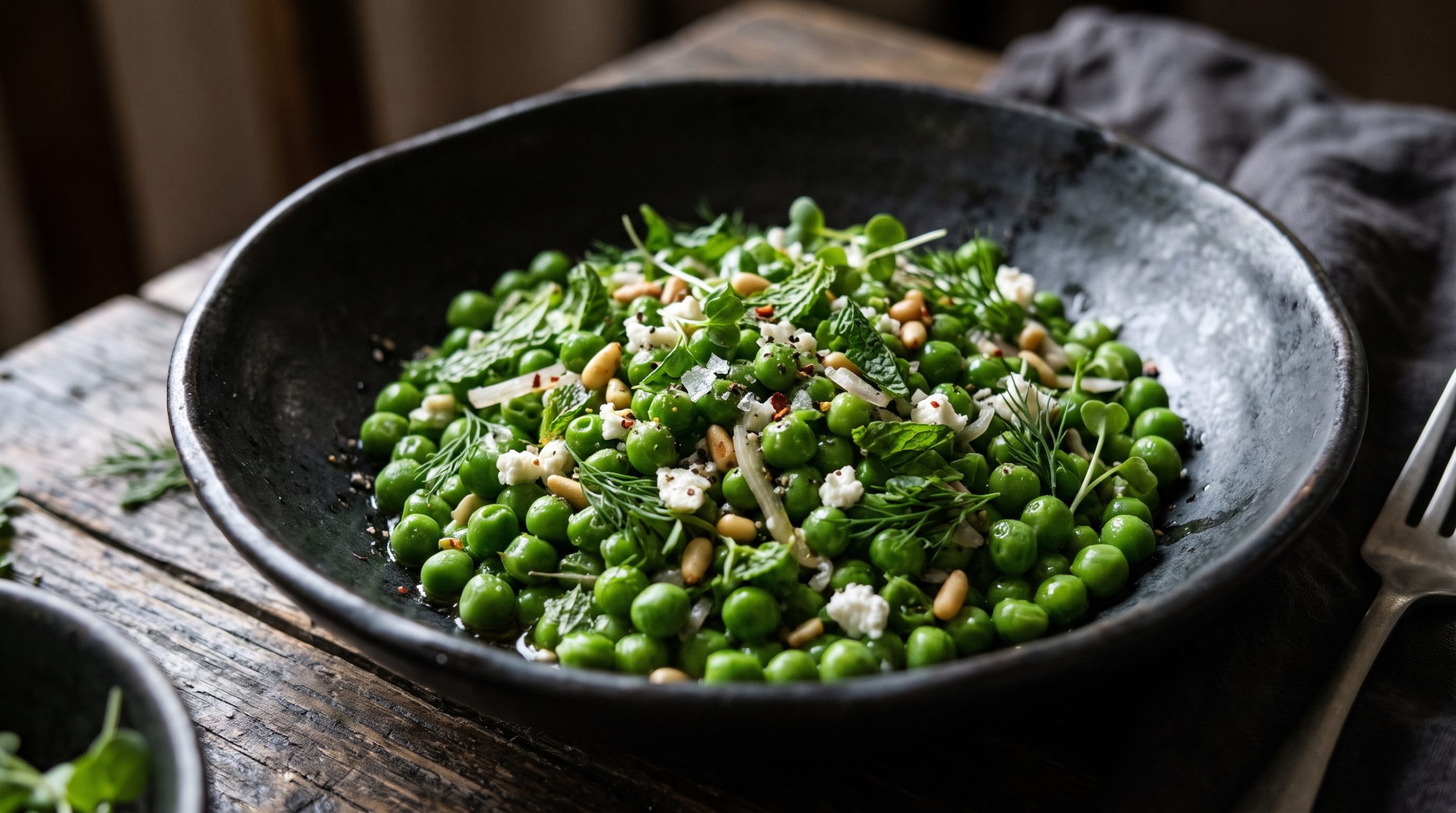
Visual attributes shape the buyer’s and consumer’s first impression and play a decisive role in dish presentation. Selected kernels display a natural colour spectrum from green to light green. Colour uniformity across the contents of each can ensures a clean presentation both on retail shelves and on restaurant plates.
The textural profile balances tenderness with structural resilience. The peas exhibit a delicate, soft, yet firm bite, allowing them to hold their shape during portioning and gentle folding into multi-component dishes without breaking apart.
The flavour profile is marked by natural balance: the kernels carry a characteristic slightly sweet taste with no off-flavours. This clean sensory profile allows the product to function equally well as a standalone restaurant side dish or as a neutral base for signature culinary sauces and dressings.
Quality Anatomy and Selection: Integrity of Shelled Kernels
In vegetable canning, raw-material grading standards govern both the visual appeal and functional performance of the finished good. Under the product specification, whole shelled peas account for 60–65% of total product weight, establishing a calibrated ratio between the vegetable component and the packing medium.
Strict tolerances also govern mechanical kernel condition: damaged or broken peas are capped at a maximum of 5%. Keeping the share of broken kernels low preserves plate aesthetics and maintains brine clarity. MIC-TRADE verifies the quality and kernel integrity of each shipment against the specification of the selected product.
Oversight of kernel integrity and mechanical sorting is directly integrated with the manufacturer’s international quality management system. Systematic monitoring of every production run establishes consistent supply conditions for distributors operating across international markets.
Culinary Applications Across Retail and HoReCa
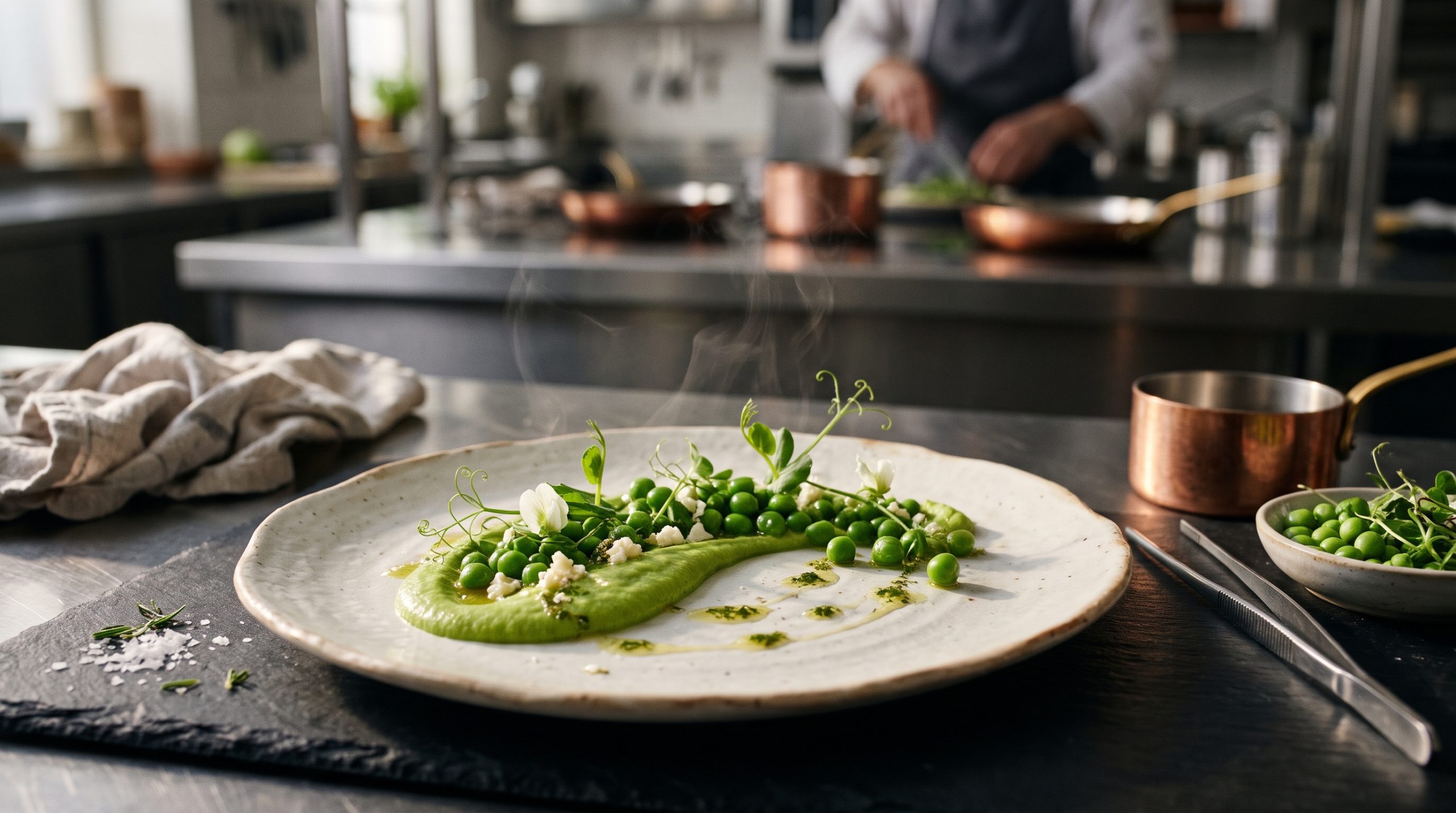
Canned tender green peas are a versatile commodity with broad culinary and commercial utility. For supermarket chains, the item represents a staple canned vegetable SKU backed by steady year-round demand, valued by retail shoppers for convenience and ready-to-eat functionality.
Across HoReCa and catering operations, the product is used in salads, side dishes, soups, rice dishes, and pasta preparations. Firm kernel structure preserves clean portion geometry in cold starters, while brief warming with herbs and butter turns the peas into a refined accompaniment to meat or fish entrées.
Food manufacturers incorporate the product as an ingredient in prepared salads, vegetable medleys, and ready meals. Consistent physical parameters facilitate seamless integration into industrial formulations with fixed textural standards for finished culinary goods.
Restaurant Plating and Signature Pairings
- Risotto with tender green peas: folded in during the final stage of cooking to provide vibrant colour contrast and delicate sweet notes.
- Velvety mint velouté: puréed with vegetable stock and fresh herbs to achieve a silky soup texture served either warm or chilled.
- Warm seafood salad: firm peas paired with seared scallops, asparagus, and a light emulsion of olive oil and white wine.
- Pasta in cream sauce: kernels enrich sauce texture and complement roasted poultry fillet or vegetable compositions.
- Buttered peas with thyme: quick warming highlights kernel tenderness, serving as an understated accompaniment to main courses.
Biochemistry and Nutritional Profile
The nutritional profile of canned green peas reflects the simplicity of their formulation. The Sunny Peas product line contains only essential ingredients: green peas, water, salt, and sugar. Omitting unnecessary additives preserves the authentic nutritional value of the kernel.
According to the manufacturer’s specification, 100 g of product provides 4.5–5.5 g of plant protein, 0.3–0.5 g of fat, 10–13 g of carbohydrates, and 4–5 g of dietary fibre. Energy content stands at 65–80 kcal per 100 g.
| Nutritional Parameter | Content per 100 g |
|---|---|
| Energy value | 65–80 kcal |
| Plant protein | 4.5–5.5 g |
| Fat | 0.3–0.5 g |
| Carbohydrates | 10–13 g |
| Dietary fibre | 4–5 g |
With measurable plant protein and moderate caloric density, the product fits readily into everyday diets and balanced foodservice menus. Its dietary fibre content and low fat share make it a practical ingredient across both plant-based and conventional culinary formats.
Canning Technology and Brine Parameters
Production of sterilized green peas relies on tight control over the physicochemical parameters of the packing liquid. Sterilized green peas in brine follow a defined formulation: green peas 60–65%, water 33–37%, salt 0.8–1.5%, and sugar 0–1%. Finished product acidity (pH) is maintained at 5.5–6.2, with salt concentration within 0.8–1.5%.
The product undergoes industrial thermal processing (commercially sterile) in hermetically sealed metal cans, ensuring the absence of pathogenic microorganisms. Strictly controlled thermal regimes preserve product stability throughout its shelf life without altering core sensory or physical attributes.
Safety and specification compliance are verified for each production batch individually. Batch-level quality control is documented via laboratory analysis and a certificate of quality aligned with the specification, giving importers and distributors formal verification of regulatory and technical conformity.
International Certification Standards and Export Documentation
Cross-border trade in canned vegetables demands rigorous standardization and transparent documentation. Production facilities comply with international standards ISO 9001:2015, ISO 14001:2015, ISO 22000:2018, HACCP, and BRCGS, and hold Kosher OU certification. Copies of certificates and the full specification for the selected product are provided to buyers alongside the commercial offer.
Export shipments are executed on CIF and other Incoterms bases in container lots starting from 2 FCL containers. Buyers also have access to Private Label manufacturing, allowing production under the customer’s own brand following prior approval of label artwork and specification parameters.
Each consignment is accompanied by a complete set of export documentation, including commercial invoice, packing list, Bill of Lading, certificate of origin, certificate of quality, laboratory analysis, and product specification.
Selection and Sourcing from the MIC-TRADE Catalogue
In selecting canned green peas for retail and foodservice distribution, packaging practicality is a decisive factor. The product is supplied in metal cans with a net weight of 420 g, while can format, case pack count, and label language are finalized in agreement with the buyer. A 36-month shelf life from the date of production optimizes warehouse turnover and inventory planning.
Shipments are dispatched exclusively as full container loads (FCL) with a minimum order of 2 containers, with packaging configurations and mixed-order options agreed in the commercial offer. Consistent specification-grade quality, a 36-month shelf life, and steady demand across retail, HoReCa, and food processing establish clear B2B advantages for trade buyers.
Full product range details and technical parameters are available in the MIC-TRADE canned green peas catalogue. To coordinate batch specifications, pricing, and delivery schedules, contact our specialists via the international distribution department.