

Concentrated Tomato Paste: Brix Standards, Sensory Profile, and Selection Criteria for Foodservice and Retail
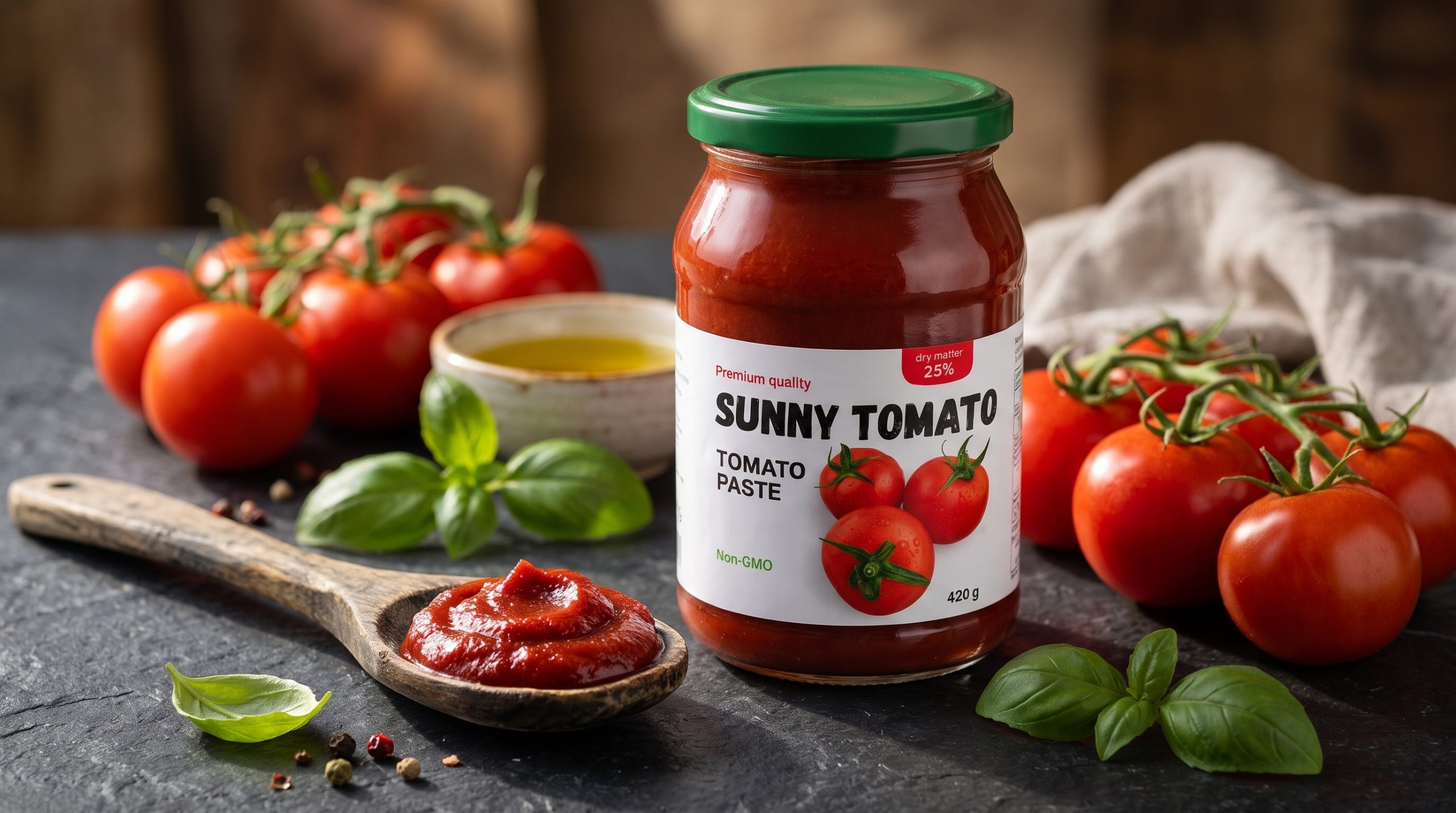
In professional cooking and packaged food manufacturing, certain foundational ingredients define the flavor architecture of a dish without drawing attention to themselves. Concentrated tomato paste belongs to this core category: a single spoonful of dense ruby concentrate can turn a simple vegetable stock into a full-bodied sauce or give a thin pizza crust a distinct Mediterranean character. Behind that apparent simplicity lies disciplined food engineering, where every percentage point of soluble solids and every tenth of a unit of acidity directly affects performance. When a chef opens a jar of paste or a retail category buyer evaluates a sample, three attributes immediately stand out: natural red color intensity, textural plasticity, and the clean aroma of ripe fruit. In commercial kitchens and modern retail alike, batch-to-batch consistency is non-negotiable, as it governs final flavor, sauce yield, and consumer trust. Understanding Brix levels, natural pH balance, and industrial sterilization standards reframes tomato paste from a basic pantry preserve into a calibrated culinary and commercial ingredient. This guide traces the path of ripe tomatoes from agricultural raw material to smooth concentrate engineered for fine dining, pizzerias, and retail shelves.
Botanical Origin and Raw Material Purity of Solanum lycopersicum
High-grade tomato paste begins in the field, where edible tomatoes—botanically classified as Solanum lycopersicum in the Solanaceae family—reach full physiological maturity. Full ripeness establishes the natural balance of sugars, organic acids, and pigments that cannot be replicated with flavorings or acidity regulators. MIC-TRADE’s Sunny Tomato brand tomato paste is produced exclusively from ripe Solanum lycopersicum fruit, with China as the country of origin—one of the world’s major centers of industrial tomato cultivation.
Clean-label formulation has become a decisive purchasing criterion across international food markets. Sunny Tomato paste consists solely of pure tomato concentrate from ripe fruit, with no added salt, preservatives, or extraneous additives. Excluding thickeners, starch, colorings, and added salt gives chefs and food technologists full control over final seasoning and viscosity.
This purity is particularly valued in commercial kitchens and ready-meal production, where formulations rely on exact dosing of salt and spices. A single-ingredient concentrate behaves predictably during reduction, caramelization, and blending with other components. For retail shoppers, a short, transparent ingredient declaration likewise serves as a clear marker of quality for everyday home cooking.
Sensory Profile: Color, Aroma, and Textural Plasticity
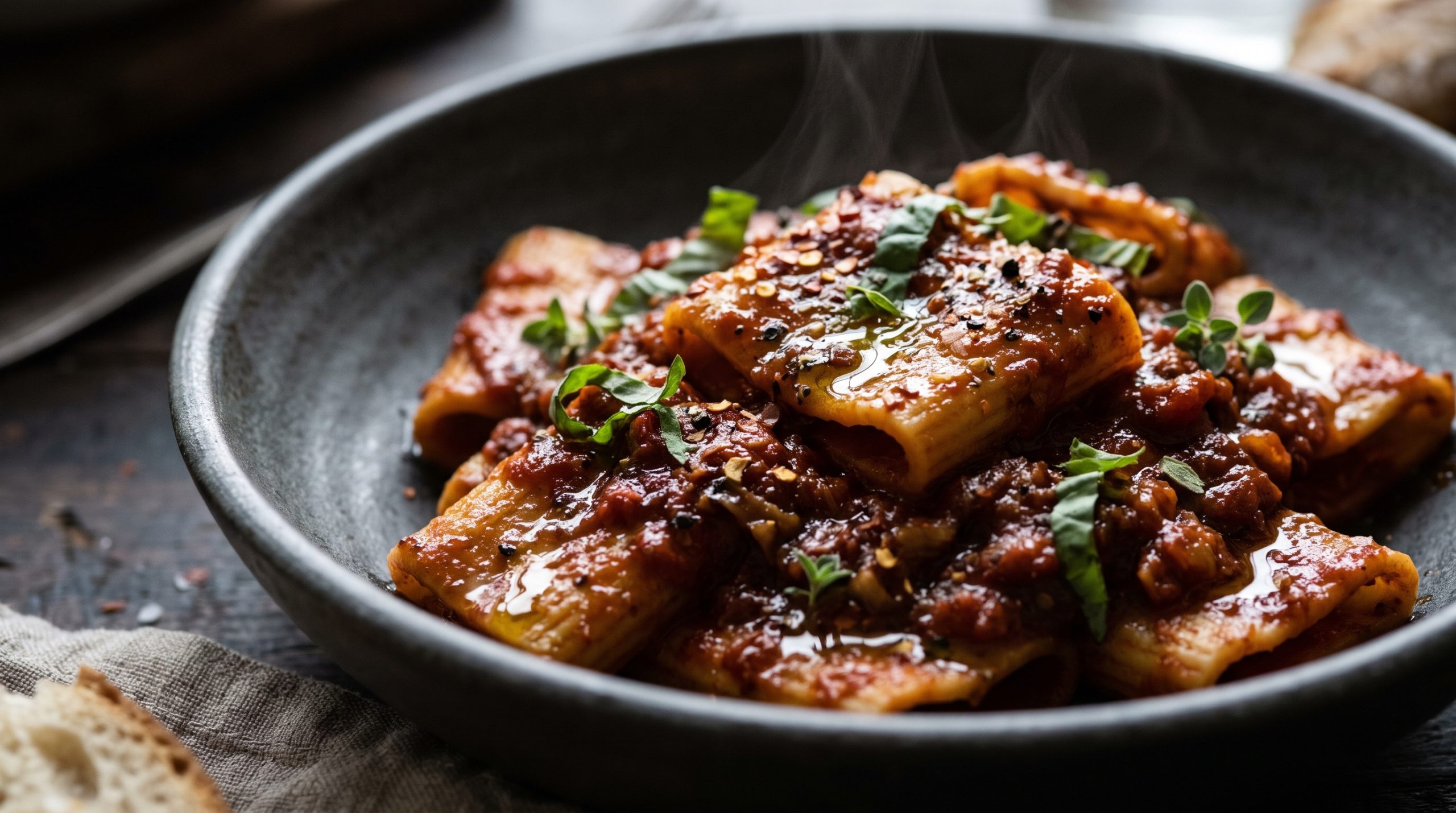
Visual assessment is the first quality check for tomato paste, and color serves as its primary indicator. Properly processed concentrate exhibits a deep shade ranging from natural red to rich dark red, free from brownish or dull undertones. This hue indicates controlled thermal processing of ripe fruit and effective preservation of natural plant pigments.
On the palate, quality paste presents layered flavor: concentrated sweetness from ripe tomatoes balanced by gentle natural acidity, with zero bitterness. Its pronounced, natural tomato aroma recalls sun-ripened fruit rather than scorched or overly caramelized sauce. The complete absence of bitter notes allows the paste to perform reliably even in minimally heated sauces, cold dressings, or fast-bake pizza bases.
Rheology—how the paste behaves on a spoon, across dough, and in a pan—is equally critical. The concentrate has a thick, smooth, homogeneous, and plastic consistency that spreads easily without weeping, separation, or lumps. That uniform structure allows it to disperse evenly in broths, cream, or olive oil, imparting a glossy finish and cohesive body to finished sauces.
- Color: uniform natural red to dark red that maintains visual appeal in finished dishes.
- Taste: clean ripe tomato flavor with mild acidity and no bitter aftertaste.
- Aroma: distinct, natural aroma characteristic of freshly harvested, gently concentrated tomatoes.
- Texture: thick, smooth, plastic, and homogeneous body suited to spreading and blending.
Brix Standard and Acidity Balance: The Anatomy of Consistency
In international commodity trade, the primary benchmark of tomato paste concentration is soluble solids content measured on the Brix scale. Brix reflects the extent to which water has been evaporated from tomato pulp, leaving behind natural sugars, organic acids, and aromatic compounds. A well-calibrated, consistent solids level improves cost efficiency in the kitchen and ensures uniform sauce viscosity.
Sunny Tomato sterilized concentrated tomato paste is standardized at 25% ± 2% Brix (23–27% range), providing a practical balance between high concentration and ease of dilution in culinary formulations. Acidity is maintained within a balanced range of pH 4.0–4.5, while natural salt content does not exceed 1.5% with no added table salt. This specification makes the product a reliable baseline for chefs, sauce manufacturers, and international importers.
Why Brix and pH Stability Determine Recipe Outcomes
In daily HoReCa operations and food processing, fluctuations in moisture or acidity immediately alter both flavor and texture. Controlled physicochemical parameters—verified for compliance with a quality standard equivalent to DSTU 5081:2008—provide food technologists and kitchen teams with predictable batch-to-batch performance.
- Precision concentration of 25% ± 2% Brix (23–27%): ensures consistent sauce thickness and steady usage rates without constant recipe adjustments.
- Balanced acidity of pH 4.0–4.5: highlights the fresh character of ripe tomatoes without harsh sharpness while supporting microbiological stability in the sealed container.
- No added salt (natural salt content max. 1.5%): allows precise control over salinity in sauces, marinades, and prepared foods.
Standardized 25% ± 2% Brix concentration paired with a smooth, homogeneous texture makes Sunny Tomato concentrated tomato paste easy to adapt across culinary techniques—from direct spreading onto pizza dough to long simmering.
Culinary Applications: Pizza, Sauces, and Professional Kitchens
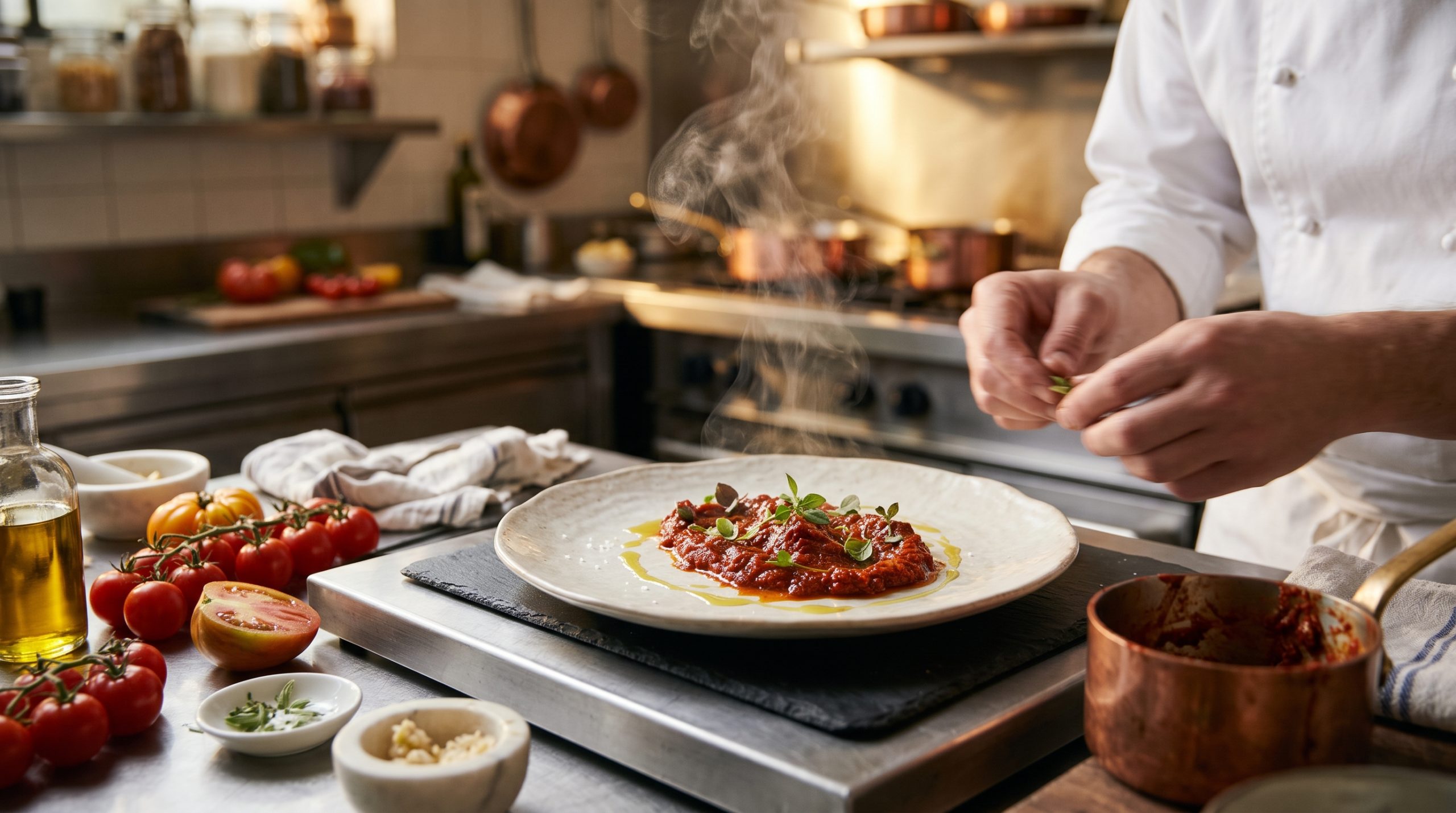
Across the HoReCa sector and industrial food production, tomato paste functions as a natural flavor-depth enhancer. It integrates seamlessly into classic sauces, rich soups, pizza, pasta dishes, braises, and ready-to-eat meals. Its versatility stems from delivering color, structure, balanced acidity, and savory umami depth simultaneously.
Pizza and Classic Sauces: Balancing Moisture and Acidity
For pizza makers, base sauce composition directly affects crust crispness. Excessively thin sauce saturates the dough during baking, whereas overly acidic or bitter paste disrupts flavor balance. Tomato paste at 25% ± 2% Brix and pH 4.0–4.5 enables fast preparation of a dense, smooth pizza sauce that spreads evenly and resists water separation in high-heat ovens.
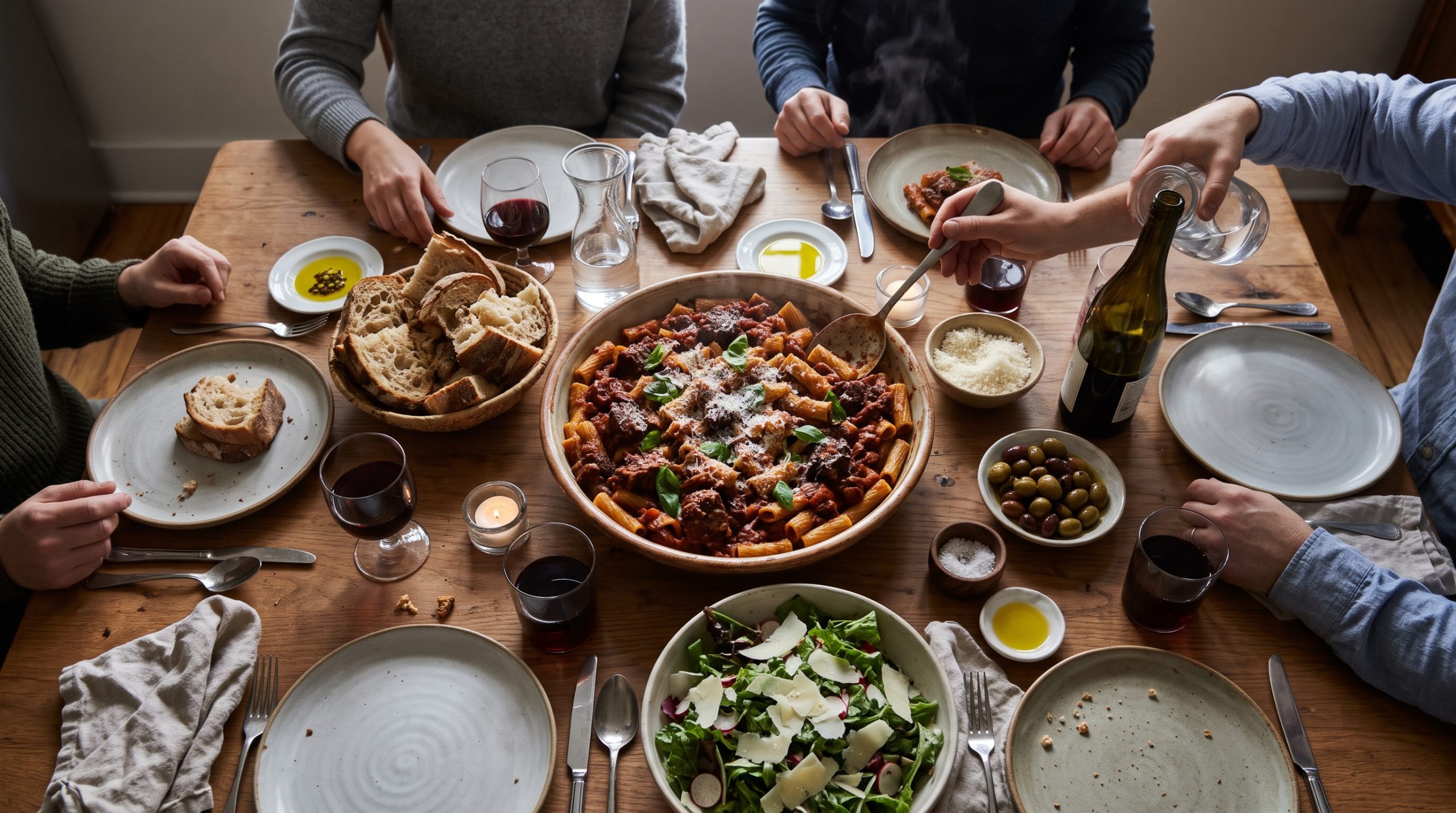
In pasta sauces—from simple marinara to rich ragù bolognese or arrabbiata—concentrate helps form a cohesive, velvety emulsion. Because the paste contains no added salt, chefs can pair it freely with aged cheeses, anchovies, capers, or olives without risking over-salting.
Sautéing Techniques and Chef Practices
A widely used professional technique is briefly sautéing tomato paste in olive oil with finely diced onion, garlic, or root vegetables before adding liquid. Gentle heat lightly caramelizes the natural sugars and intensifies the ripe tomato aroma. Tomato concentrate is a natural source of plant carotenoids (including lycopene) and organic acids, which combine with oil to build a warm amber-ruby color and concentrated flavor.
- Mediterranean classics: paired with extra-virgin olive oil, fresh basil, oregano, thyme, and garlic for pasta sauces, pizza bases, and bruschetta.
- Slow-braised meat and poultry: sautéed briefly before deglazing with stock to build glossy, full-bodied gravies for ragù, ossobuco, or braised beef.
- Soups and bisques: a core base for cream of tomato soup, spiced fish soups such as bouillabaisse, vegetable minestrone, and traditional borscht.
- Vegetable and legume dishes: pairs naturally with roasted eggplant, chickpeas, beans, shakshuka, and warm vegetable sautés.
Nutritional Biochemistry and Composition per 100 g
Beyond culinary functionality, tomato concentrate offers a balanced nutritional profile. Evaporating excess water naturally concentrates the nutrients of ripe tomatoes while keeping energy density moderate at 85–95 kcal per 100 g.
Per 100 g, the paste provides 4.0–4.5 g of plant protein, just 0.2–0.5 g of fat, and 17–20 g of carbohydrates, of which 12–15 g are naturally occurring fruit sugars. It contains no added salt, with natural salt levels capped at 1.5%. In addition, tomato concentrate serves as a natural source of plant carotenoids (including lycopene) and organic acids suited to everyday diets.
| Nutritional Parameter | Value per 100 g |
|---|---|
| Energy | 85–95 kcal |
| Protein | 4.0–4.5 g |
| Fat | 0.2–0.5 g |
| Carbohydrates | 17–20 g |
| of which sugars | 12–15 g |
| Natural salt content (no added salt) | max. 1.5% |
| Bioactive compounds | Natural carotenoids (including lycopene), organic acids |
With minimal fat and zero added salt, tomato paste fits a broad spectrum of dietary formats—from traditional Mediterranean cooking to plant-forward menus seeking savory depth without excess fat.
Commercial Sterilization and International Food Safety Standards
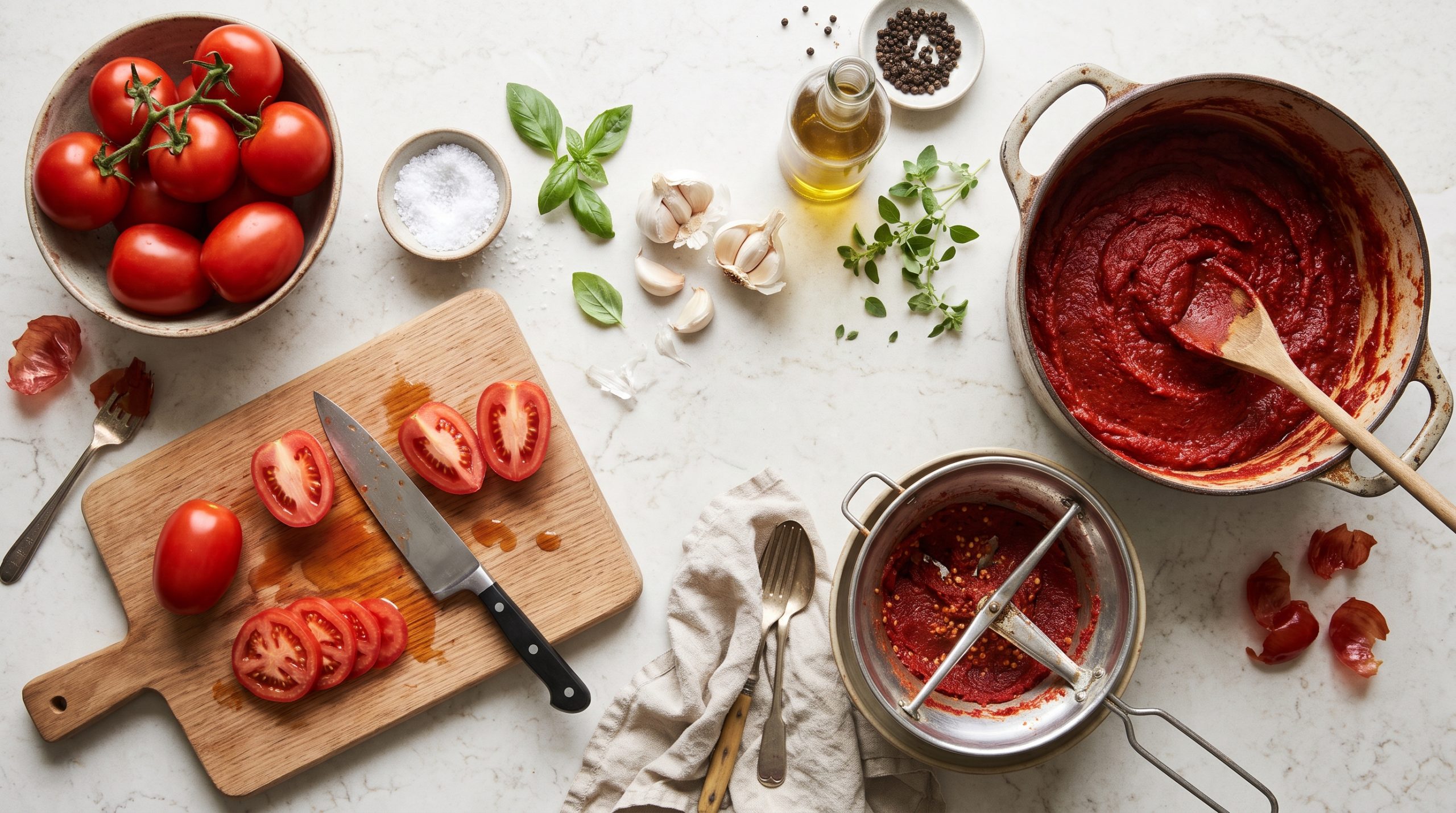
Preserving the natural color, flavor, and purity of tomato concentrate without chemical preservatives relies on precise thermal processing. Sunny Tomato paste undergoes industrial (commercial) sterilization, achieving commercial sterility with confirmed absence of pathogenic microorganisms. Natural acidity at pH 4.0–4.5 provides an additional stability barrier, maintaining sensory integrity throughout its 36-month shelf life from the date of manufacture.
For international retail chains, distributors, and foodservice operators, documented production transparency is equally essential. Manufacturing facilities are certified and operate in compliance with ISO 9001:2015, ISO 14001:2015, ISO 22000:2018, HACCP, BRCGS, and Kosher OU standards. Together, these management systems cover quality assurance, environmental management, end-to-end food safety, and global retail compliance.
Every export shipment is accompanied by a full production specification, laboratory analysis, certificate of origin, and certificate of quality. Further details on facility audits and lot verification are outlined in the MIC-TRADE quality control system, which provides a consistent benchmark for partners across international markets.
Retail and HoReCa Sourcing Criteria and the MIC-TRADE Approach
Packaging format plays a major role in both shelf perception and kitchen handling. Glass jars in 300 g and 500 g net weights remain widely preferred formats for retail chains and household use. Clear glass allows buyers to verify deep red color, homogeneity, and thickness prior to purchase, remains inert to natural tomato aroma, and supports convenient resealing after opening.
For importers, national and regional distributors, and HoReCa buyers, supplier selection comes down to verifiable fundamentals: clean-label composition without added salt or preservatives, consistent 25% ± 2% Brix concentration, a 36-month shelf life, and complete export documentation. MIC-TRADE’s international export model is built around these standards, aligning culinary quality with institutional trade discipline.
Full product specifications and available glass-jar formats can be reviewed in the catalog section featuring Sunny Tomato tomato paste. Buyers building assortments for retail chains, professional kitchens, or international distribution who require complete production specifications, laboratory test reports, or copies of certifications can contact the MIC-TRADE team for commercial and technical consultation.