

Mackerel as a Strategic Alternative to Sardines: Consumer Preferences and Fillet Nutritional Density
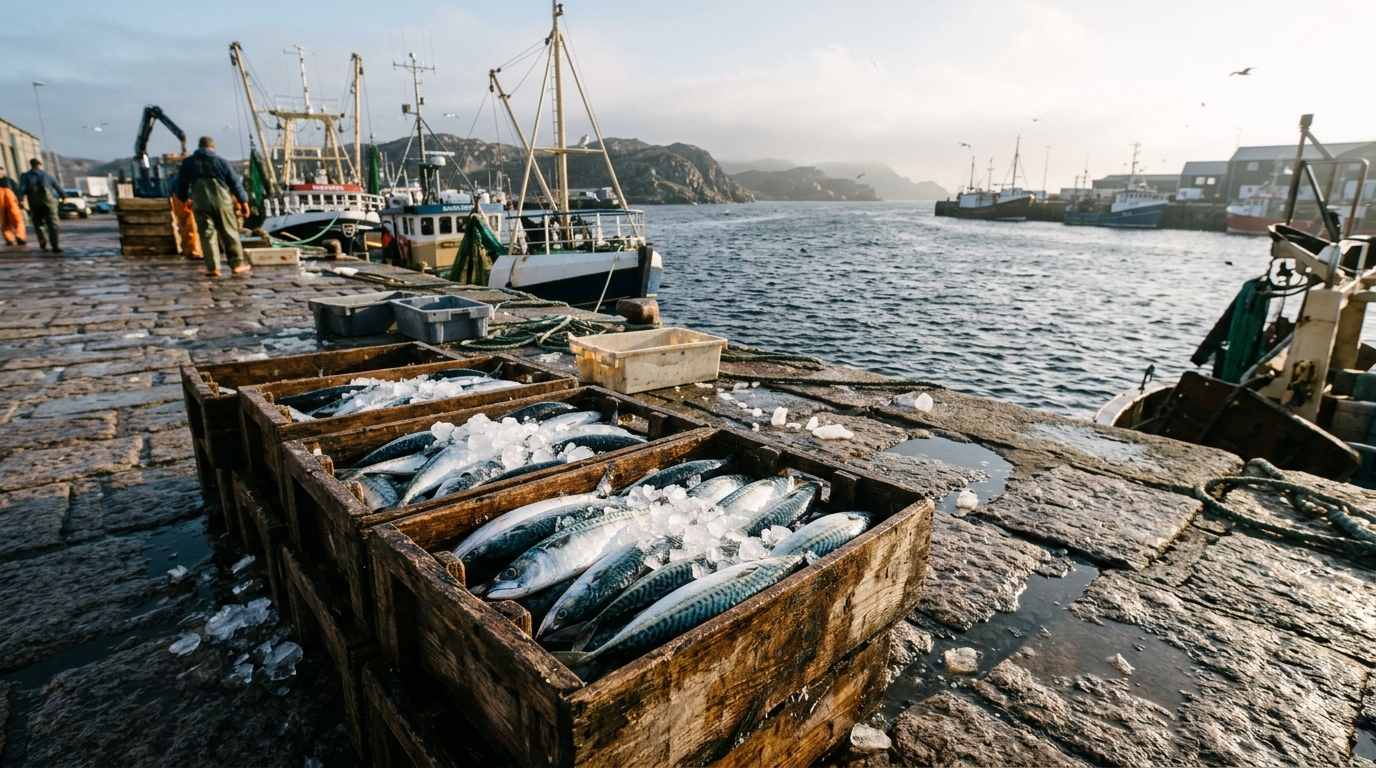
Morocco’s indefinite ban on frozen sardine exports, following a 46% drop in landings over the previous two fishing cycles, has created an acute raw-material deficit across European fish processing. Amid disruptions to traditional sardine supply, canned mackerel fillets are emerging as the primary strategic alternative in the pelagic segment, backed by high omega-3 concentration and a convenient boneless format.
Sardine Shortage in the North Atlantic and the Demand Shift Toward Mackerel
The global canned fish market has entered a phase of structural realignment after Morocco—the world’s largest sardine exporter—introduced an indefinite ban on exports of frozen raw material at the start of the current season. The move followed a 46% contraction in sardine landings over the previous two fishing cycles recorded by Morocco’s National Fisheries Office (ONP), with total catch volumes falling from approximately 965,000 tonnes to 525,000 tonnes. As a result, domestic wholesale prices for fresh fish in the region jumped by up to 60%, cutting off processing plants in Europe, West Africa, and Asia from their primary source of frozen raw material.
By mid-season, the raw-material shock had reached European retail shelves. Supermarket chains in Germany, France, and Spain reported availability gaps for classic sardines alongside double-digit increases in ex-factory prices across small pelagic canned goods. Despite partial recovery in certain local stocks, Spanish and Portuguese fisheries lack the physical capacity to offset the loss of hundreds of thousands of tonnes of North African raw material.
With sardine availability constrained, canned mackerel has emerged as the primary beneficiary of shifting consumer demand. Industry analysts note that mackerel fillets are absorbing the largest share of buyers seeking an affordable, shelf-stable protein rich in marine lipids. Demand is reinforced not only by competitive pricing but also by a higher concentration of polyunsaturated fatty acids: 100 g of mackerel fillet delivers an average of 1.5–2.5 g of omega-3 (EPA and DHA), compared with 1.0–1.5 g in traditional canned sardines.
Climatic Pressure, Export Restrictions, and Evolving Consumer Standards
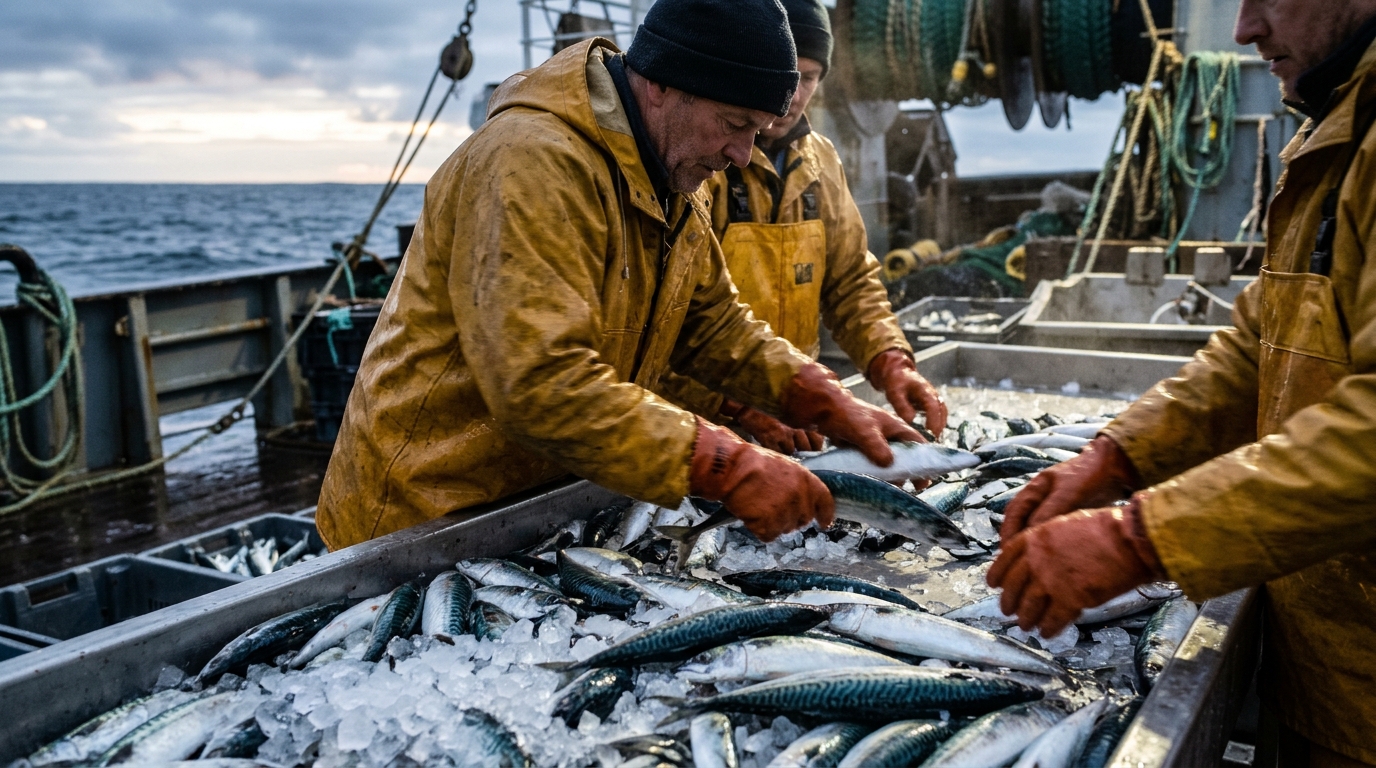
The root cause of the sardine raw-material crisis lies in a combination of oceanographic anomalies and fishing pressure along the Atlantic coast of Northwest Africa. Rising Atlantic sea-surface temperatures have altered plankton distribution, pushing sardine schools into deeper waters that are less accessible to coastal fleets. Even during periods of localized catch recovery, a substantial share of landings consisted of small juveniles below the calibre required for industrial canning, leaving processing lines underutilized.
Morocco’s regulatory intervention has cemented the deficit on international markets. By restricting exports of frozen raw material to contain domestic food inflation and stabilize supply during peak consumption periods, authorities effectively severed overseas canneries from their core supplier. Even with early signs of biological biomass recovery in the country’s southern ports, the government maintains strict controls over unprocessed fish exports, prioritizing the domestic market and value-added finished products.
At the same time, structural shifts in consumer preferences across Europe and international markets are adding pressure. Food inflation has prompted households to trade down from expensive fresh fish and meat proteins to shelf-stable canned seafood. Meanwhile, younger consumer cohorts and functional-nutrition buyers favor firm, skinless, boneless fillets that fit seamlessly into everyday meals without additional preparation.
Pelagic Segment Market Mechanics: Mackerel’s Competitive Position Amid Supply Shock
The Moroccan export ban has directly reshaped competition within the oily pelagic canned category: canned sardines and canned mackerel fillets traditionally occupy an adjacent niche for affordable marine protein and omega-3—and that proximity now governs how demand is redistributed. With a core category staple in short supply, pelagic buyers naturally gravitate toward the closest functional substitute. Mackerel fillets fit that requirement closely: a firm, meaty boneless texture, 19–24 g of complete protein per 100 g, and high levels of vitamin B12, selenium, and niacin make this format the fastest absorber of displaced sardine demand.
The supply gap in sardines immediately heightened pressure on the broader pelagic complex. At the same time, the Atlantic mackerel (Scomber scombrus) market operates under tight biological constraints. The International Council for the Exploration of the Sea (ICES) maintains cautious scientific catch advice in the Northeast Atlantic amid the protracted absence of an agreed total allowable catch allocation among coastal states. This keeps the cost base for North Atlantic raw material elevated and forces processors to calibrate their product portfolios carefully.
Under these conditions, a two-tier market structure is taking shape. Classic Atlantic mackerel holds the premium segment, while high-volume international contracts increasingly incorporate Pacific and chub mackerel (Scomber japonicus, Scomber colias). Market analysts also flag a growing risk of species substitution: some producers are attempting to protect shelf price points by switching to cheaper Chilean jack mackerel (Trachurus murphyi), which offers a notably lower omega-3 profile and a different texture, drawing closer scrutiny from regulators and consumer associations over labeling accuracy.
Response from Processors, Retail, and HoReCa
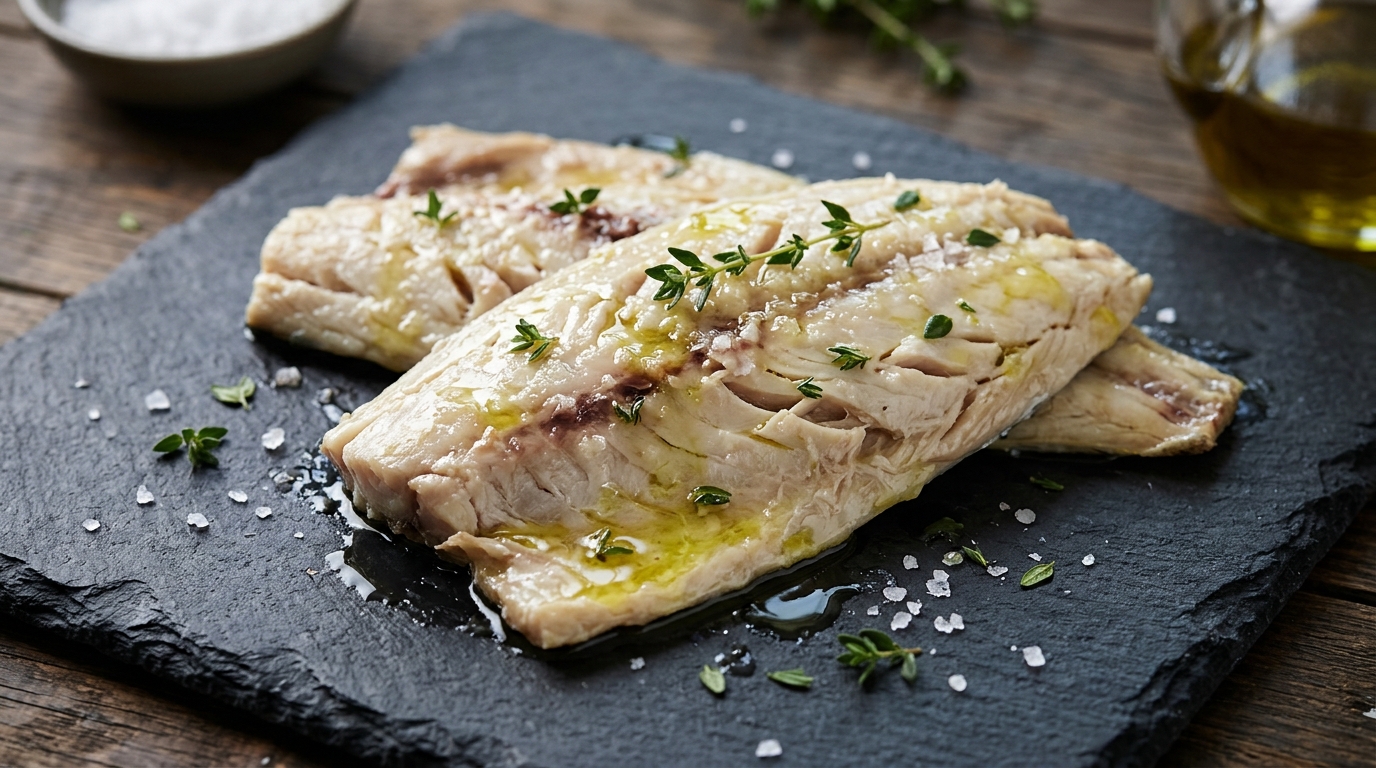
European and international fish processors are responding to the imbalance by rapidly reconfiguring production lines and expanding mackerel fillet ranges in olive oil, sunflower oil, brine, tomato sauce, and spiced marinades. Northern and Central European processors, which historically possess strong mackerel filleting infrastructure, are stepping up export shipments to Western and Southern Europe to offset the shortfall in Iberian sardine supplies. In parallel, gentle thermal processing technologies are being adopted to preserve muscle-fiber integrity and natural fillet succulence.
Retail chains are re-evaluating shelf space allocation and category architecture, including within Private Label lines. To prevent out-of-stocks in the pelagic aisle and sustain category turnover, procurement teams are shifting promotional activity away from scarce sardines toward canned mackerel fillets. At the same time, amid ongoing debate over sustainable fishery certification in the Northeast Atlantic and instances of undisclosed species substitution, retailers are tightening requirements for raw-material traceability, Latin species nomenclature on labels, and batch-to-batch nutritional consistency.
In HoReCa and foodservice, the move toward mackerel fillets has become an operational optimization lever. Fast-casual restaurants, catering operators, and bistros use ready-to-serve boneless fillets as a standardized ingredient for salads, bowls, bruschetta, and tapas menus. Unlike whole sardines, mackerel fillets deliver predictable portion yields, reduce kitchen prep time, and align with diner demand for nutrient-dense dishes.
Conclusions and Strategic Outlook
Analytical takeaway: The raw-material balance in the international small pelagic canned market remains tilted toward deficit. Even with gradual biological recovery in southern Atlantic catches, Morocco maintains a protectionist stance on frozen sardine exports, while restrictive ICES advice caps any rapid expansion in North Atlantic mackerel landings. Over the next 6–12 months, primary market tension will center on the intersection of strong demand for omega-3-rich foods and competition between European and Asian buyers for high-grade fillet raw material.
Practical takeaway: For processors, importers, and retail chains, canned mackerel is transitioning from a secondary SKU into an anchor of category resilience. Strategic procurement planning requires diversifying raw-material sourcing across Atlantic and Pacific mackerel species, specifying exact species and nutritional parameters in long-term contracts, and implementing proactive traceability controls to safeguard consumer trust in the fillet segment.
MIC-TRADE (International Food Trading Company): MIC-TRADE is an international food trading company specializing in food commodity supply and building commercial links between producers and buyers across global markets. We organize international supply chains, identify manufacturing partners, align product specifications, and support export-import operations, with particular focus on product characteristics, production standards, quality control, and transparent commercial terms. Product ranges and specifications can be reviewed on our canned mackerel page. To discuss supply opportunities and international cooperation, reach out to our team via the contact page.