

The Strait’s Two-Way Larder: How Morocco Balances Bulk-Grain Dependency with High-Value Agrifood Exports
Straddling the Atlantic Ocean and the Mediterranean Sea, Morocco runs one of the most finely poised agrifood trade balances in the emerging world, pairing $9.64 billion in annual food imports with $9,584.7 million in food exports. Behind this near-exact monetary equilibrium lies a deliberate structural swap: importing bulk calories and feed inputs while exporting high-margin Atlantic seafood, greenhouse produce, and refined sugar. For international commodity traders and food manufacturers, the kingdom is simultaneously a drought-sensitive grain buyer and a formidable Euro-Mediterranean processing hub.
Few agrifood economies illustrate the art of comparative advantage under climatic constraint as sharply as Morocco. Positioned just fourteen kilometres across the Strait of Gibraltar from Europe yet deeply exposed to North African rainfall volatility, the kingdom has engineered a two-way food trade machine that defies the classic net-importer template of the wider MENA region. According to the latest UN Comtrade data, Morocco’s annual food import bill stands at $9.64 billion—virtually matched by $9,584.7 million in food exports.
Yet this monetary symmetry conceals a profound physical and nutritional asymmetry. Morocco’s ports absorb millions of tonnes of bulk cereals, raw cane sugar, feed grains, and vegetable oils to anchor domestic calorie security and livestock production. In return, its irrigated valleys and rich Atlantic fisheries dispatch high-value canned seafood, winter tomatoes, berries, shellfish, and refined sugar into European, North American, and West African markets. Understanding this dual-track architecture is essential for any B2B operator navigating North African commodity flows.
1. Demographics, Diet, and Consumer Dynamics
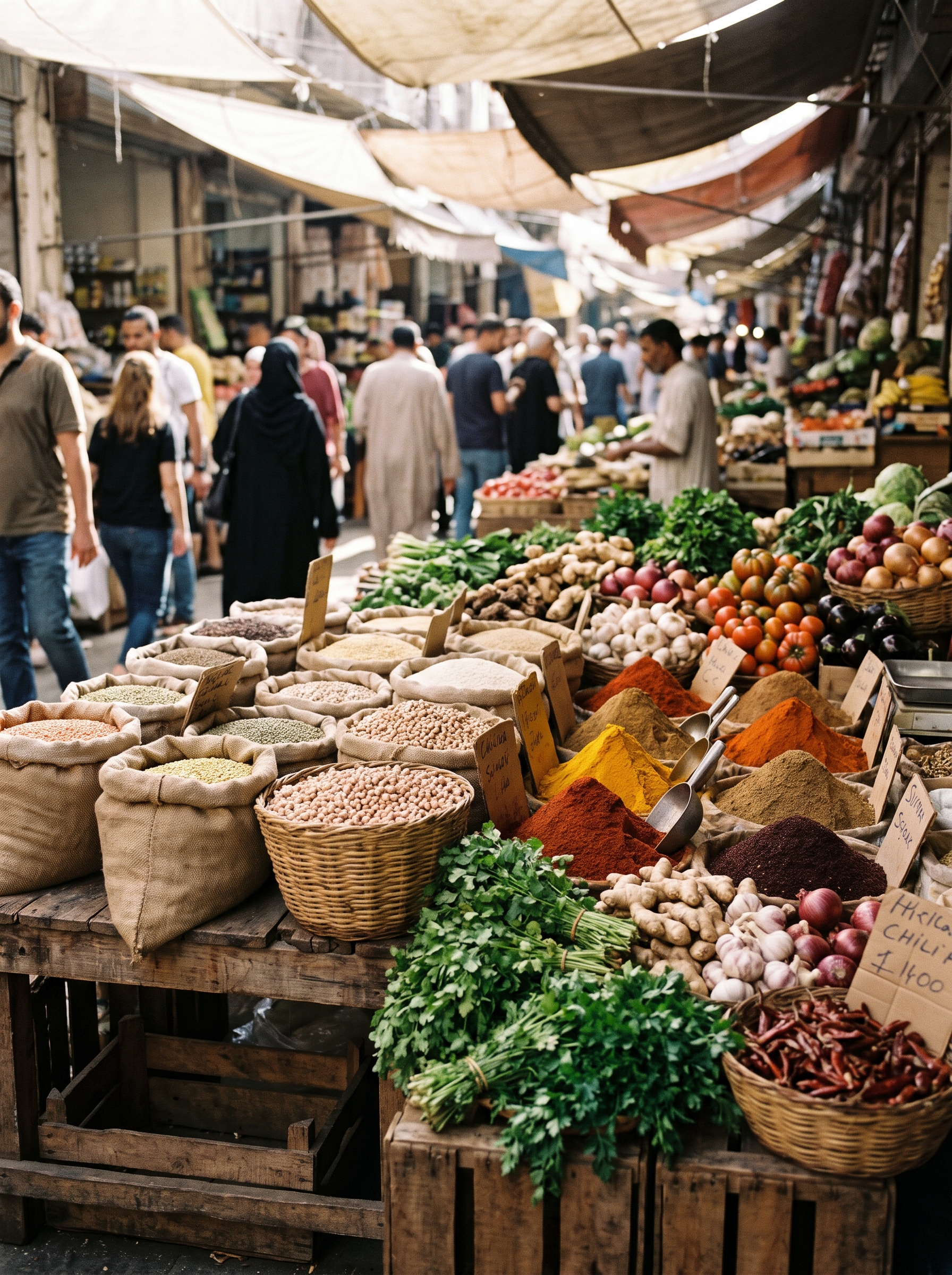
With a population of 38,430,770 and a GDP per capita of $4,672, Morocco represents a mid-sized, price-conscious consumer market undergoing steady urban transition. Unlike the Gulf monarchies, where expatriate workforces distort consumption profiles, Morocco’s domestic food demand is overwhelmingly anchored by its resident citizenry, supplemented by a substantial international tourism footprint and seasonal inflows from a large European-based Moroccan diaspora. Major metropolitan corridors—stretching from Casablanca and Rabat to Tangier and Marrakech—concentrate modern retail expansion and commercial hospitality demand.
The traditional Moroccan diet remains a formidable driver of commodity structure. Wheat-based flatbreads and semolina couscous form the daily caloric bedrock across all income brackets, while heavily sweetened green tea—served ubiquitously in households and cafes alike—creates one of the highest structural per-capita demands for both sugar and tea in the Mediterranean basin. Legumes, olive oil, slow-cooked tagines, and seasonal produce remain central to home cooking, sustaining deep-rooted preferences for fresh ingredients alongside shelf-stable pantry staples.
At $4,672 per capita, household purchasing power enforces clear price elasticity on everyday essentials while nurturing a growing urban middle-class segment. Modern supermarkets, hypermarkets, and quick-service dining formats are steadily expanding the market for processed dairy, roasted coffee, tree nuts, and packaged beverages. Simultaneously, the kingdom’s status as a premier year-round tourism destination keeps HoReCa procurement focused on consistent quality, reliable cold chains, and year-round availability across both domestic and imported lines.
2. Scale of Food Import Reliance: Macro Realities
On an annual basis, Morocco’s total food import bill reaches $9.64 billion against $9,584.7 million in food exports. Assessed through the Value ratio of food imports to exports, imports and exports are roughly balanced in value (≈ 1 : 1). In macroeconomic terms, this near-parity acts as a valuable foreign-exchange stabilizer, insulating the country’s agrifood trade balance from the chronic deficits seen in many semi-arid neighbors.
Crucially, however, an approximate one-to-one value ratio does not equate to calorific self-sufficiency. Morocco trades high-tonnage, lower-unit-value staple calories inbound for lower-tonnage, higher-value horticultural and marine goods outbound. When domestic rainfall falters, cereal and forage import volumes expand rapidly, turning global grain and freight markets into immediate macro-fiscal variables for Rabat.
On a demographic basis, Morocco’s food imports per capita stand at $251 per person per year. This figure sits well below the high-income, resource-constrained states of the Gulf Cooperation Council—where per-capita food import bills routinely exceed several times that level—and aligns more closely with Mediterranean North African economies that maintain substantial domestic agricultural bases while relying on international markets for core cereals, oilseeds, and tropical commodities.
3. What Arrives at the Ports: Top-10 Food Imports
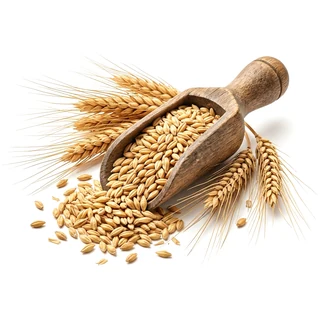
Morocco’s inbound food basket is heavily concentrated in foundational caloric and industrial inputs. The Top-10 food import categories total $6,117.2 million, accounting for exactly 63.5% of total food imports. At the center of this profile sit two towering bulk commodities: wheat and sugar. Together, they anchor Morocco’s milling, baking, and refining industries, with wheat posting a Calculated average import price, $/t of $285/t and sugar recording a Calculated average import price, $/t of $555/t—figures that serve as composite unit values aggregating multiple grades, cuts, specifications, and Incoterms delivery conditions.
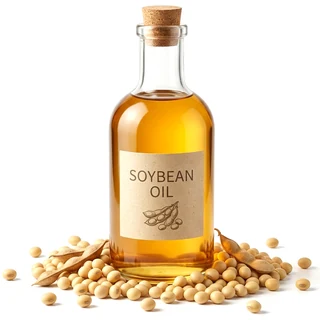
Closely behind these two pillars is an animal-feed and edible-oil complex led by corn, barley, and soybean oil. This cluster underscores a critical vulnerability of Morocco’s semi-arid farm economy: domestic poultry, dairy, and livestock sectors have scaled far beyond what rain-fed local grain and pasture production can reliably support. Whenever erratic precipitation curtails domestic harvests, feed millers and crushers turn immediately to deep-sea maritime cargoes to maintain protein output and edible-oil availability.
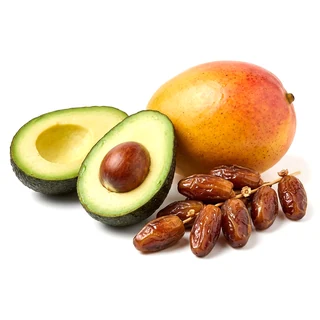
The remaining top import categories share a distinct structural logic: they fill either climatic impossibility or acute domestic supply gaps. Coffee, tea, nuts, and tropical fruit-and-date categories reflect consumer traditions and urban dietary tastes that Moroccan soils and climates cannot satisfy at scale. Live cattle imports, meanwhile, function as a strategic pressure valve, allowing domestic slaughterhouses and meatpackers to stabilize red-meat supply when drought reduces local herd productivity.
Just as revealing is what is absent from Morocco’s top import roster. Fresh vegetables, tomatoes, citrus, berries, and marine fish require minimal foreign sourcing because domestic greenhouses, orchards, and Atlantic fishing fleets generate vast exportable surpluses. Morocco’s import reliance is therefore highly selective—concentrated in dry-bulk grains, raw industrial inputs, and non-indigenous crops rather than across-the-board food scarcity.
Top-10 Food Imports — Morocco
Official UN Comtrade Data · Top 10 Total: $6117.2M (63.5% of total)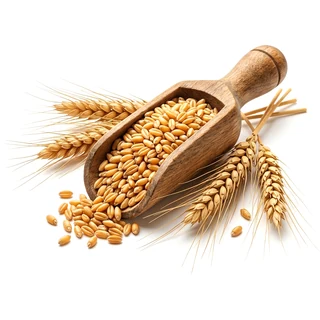






4. Supply Chain Geography: Who Feeds the Country and Why
Morocco’s sourcing map reflects a pragmatic blend of maritime proximity, milling specifications, and industrial scale. In wheat, European and North American origins dominate: France supplies 31% of import value, followed by Canada at 24% and Germany at 9%. French and German cargoes benefit from short Mediterranean and Atlantic voyage times and established soft-wheat milling compatibility, while Canadian shipments provide high-protein durum and bread wheat essential for traditional semolina and pasta production.
In sugar, supply concentration is virtually absolute, with Brazil accounting for 100% of tracked sugar imports. Rather than importing finished retail sweetener, Morocco’s agro-industrial model centers on bringing in Brazilian raw cane sugar in bulk vessels, processing it through high-capacity domestic refineries, and supplying both local households and regional export buyers. This industrial throughput turns a raw commodity dependency into a value-added regional business.
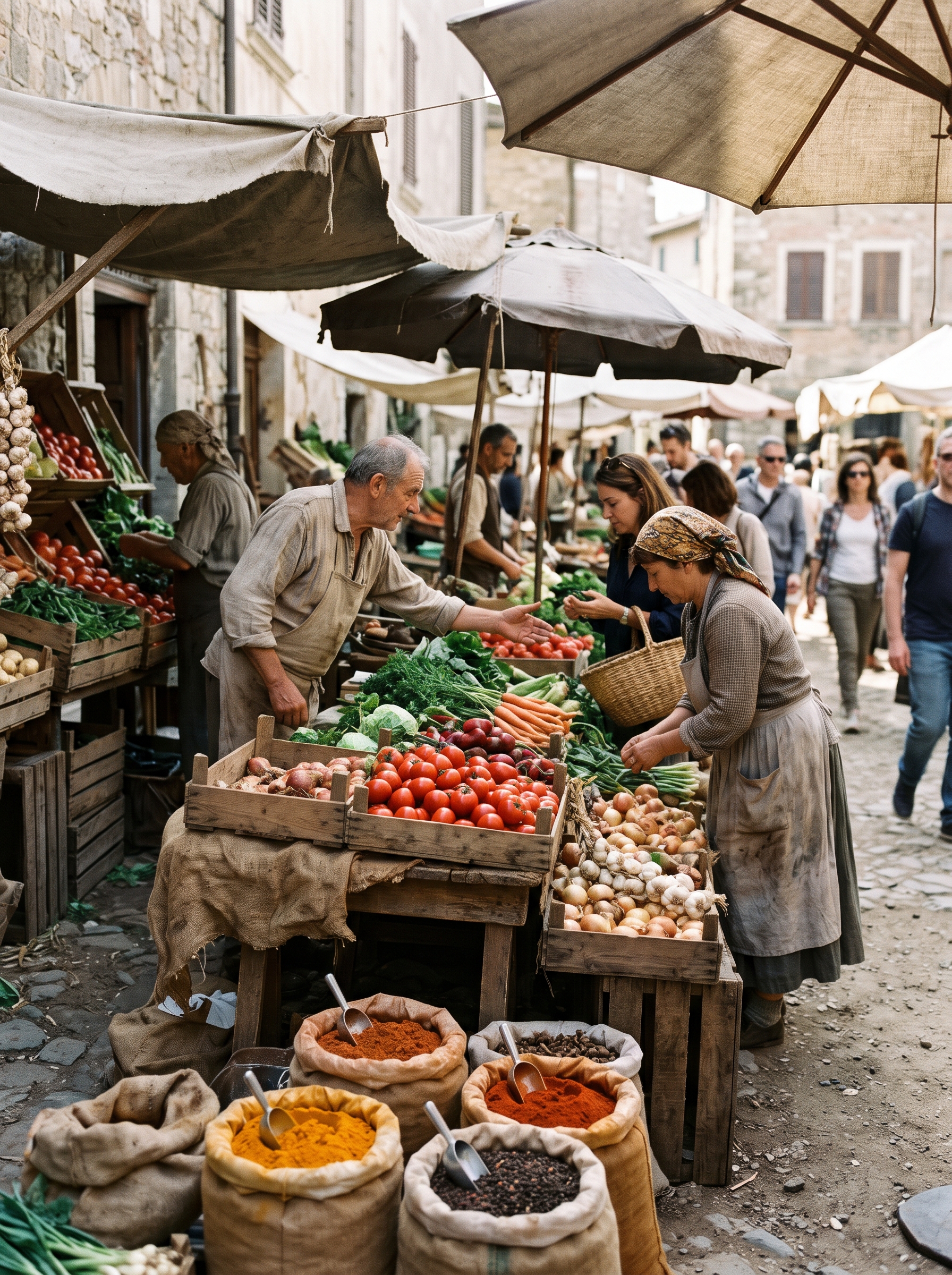
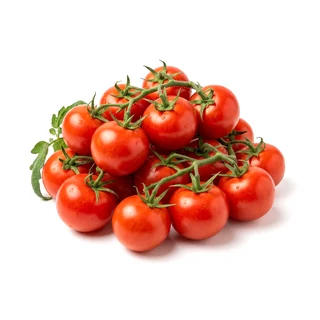
Outbound corridors mirror this geographic logic in reverse, tightly integrating Morocco into European retail and global food distribution. Tomatoes flow overwhelmingly into Western Europe—led by France at 56%, the United Kingdom at 13%, and the Netherlands at 11%—while canned fish reaches a broader transatlantic footprint led by Spain (18%), France (15%), and the United States (12%). Preferential market access under the EU-Morocco Association Agreement, the US-Morocco Free Trade Agreement, and regional African trade frameworks underpins these flows, reinforced by strict phytosanitary alignment overseen by the National Office of Food Safety (ONSSA).
Physical infrastructure ties these corridors together. Tanger-Med has evolved into Africa’s premier container and roll-on/roll-off gateway, enabling refrigerated trucks carrying fresh produce and chilled seafood to reach southern Spain in hours and northern European distribution centers within days. Meanwhile, Casablanca, Jorf Lasfar, and Agadir provide specialized grain silos, bulk sugar terminals, and dedicated cold-chain capacity that keep both inbound dry bulk and outbound perishables moving year-round.
Wheat
(Import · $1795.6M)
Sugar
(Import · $1391.1M)
 Canned fish
(Export · $1272.6M)
 Tomatoes
(Export · $1206.2M)
5. Seafood Market: Domestic Harvest vs Global Sourcing
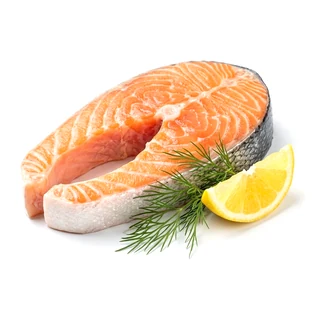
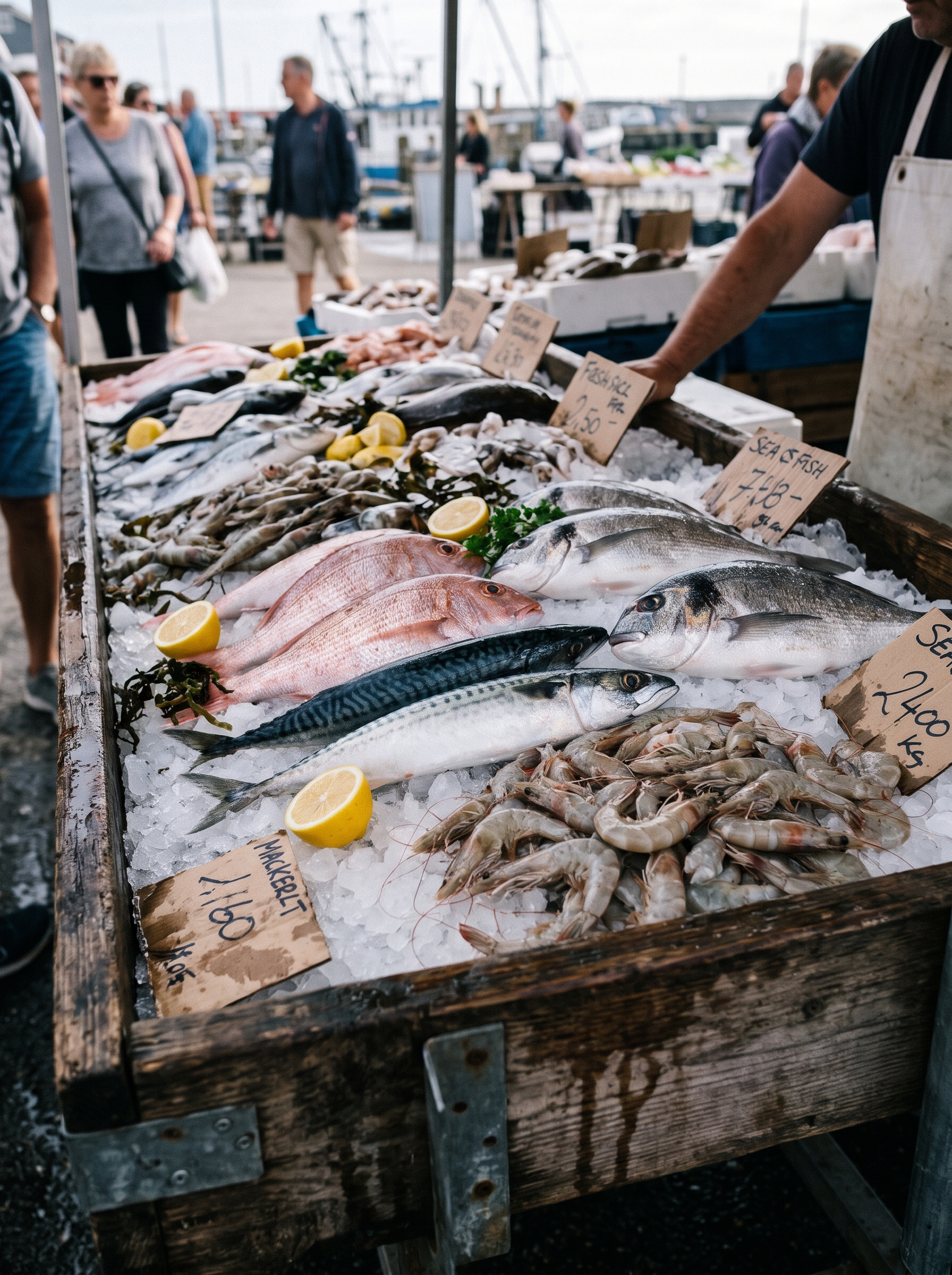
While many semi-arid nations rely on seafood imports to diversify domestic protein, Morocco stands as an Atlantic and Mediterranean marine powerhouse. According to the latest UN Comtrade data, Morocco’s tracked seafood trade is decisively export-led, with annual exports across the four core fish and crustacean segments reaching $1,866.0 million—complemented by an additional $1,141.66 million in shellfish exports such as octopus and cephalopods. Fueled by nutrient-rich Canary Current upwelling along its extended Atlantic coastline, domestic landings comfortably cover local consumption while positioning the kingdom among the world’s most influential marine exporters.
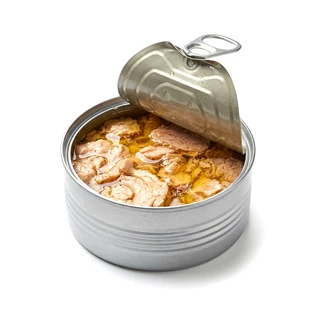
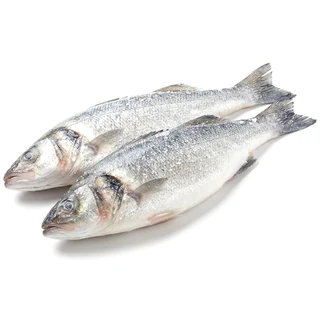
The centerpiece of this export engine is canned and prepared fish, which generates $1,272.6 million annually—more than two-thirds of the tracked four-segment total. Anchored by pelagic species including sardines, mackerel, and tuna, Morocco’s industrial canneries supply Spain (18%), France (15%), and the United States (12%), serving both heritage European brands and large-scale retail Private Label programs. By processing pelagic harvests domestically rather than shipping unprocessed catch, Moroccan processors capture substantial labor, oil, and packaging value-add.
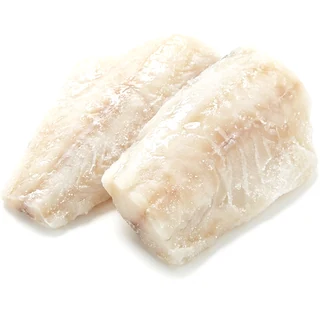
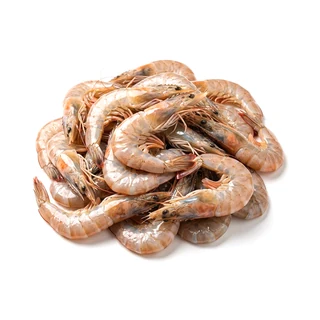
Beyond the cannery sector, frozen fish and fillets contribute $372.7 million and reveal a distinct dual-market strategy: Côte d’Ivoire is the leading destination at 16%, underscoring Morocco’s vital role in supplying affordable pelagic protein to West Africa, alongside Spain at 14%. Higher-margin perishable flows remain tightly bound to Iberian cold chains, with Spain absorbing 83% of Morocco’s $114.1 million in shrimp and crustacean exports and 80% of its $106.7 million in fresh and chilled fish exports, while Portugal accounts for 6% and 15% respectively. Strict adherence to EU sanitary protocols and modern freezing and landing facilities in Agadir, Dakhla, Tan-Tan, and Safi sustain this multi-tier global footprint.
Total annual seafood import value: $1866.0M
6. Domestic Agrifood Footprint and Export Horizons
Morocco’s domestic agricultural strategy is defined by a relentless effort to decouple export earnings from rainfall volatility. Across the Souss-Massa basin around Agadir and the coastal plains of Gharb and Loukkos, capital-intensive drip irrigation, climate-controlled greenhouses, modern packinghouses, and emerging seawater desalination projects have transformed arid landscapes into reliable year-round production zones. This infrastructure enables Moroccan growers to hit European supermarket shelves during the winter window when northern European glasshouses face prohibitive heating costs.
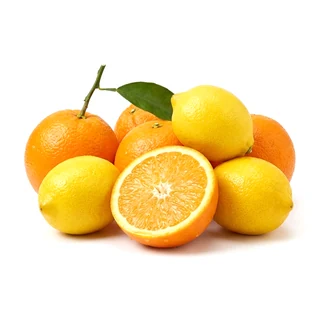
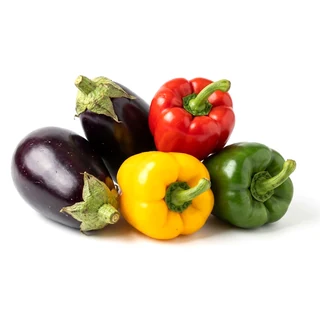
Two high-value pillars define the kingdom’s export leadership: marine protein and intensive horticulture. Canned fish and shellfish lead the seafood complex, leveraging rich Atlantic biomass and established processing scale to command premium unit values in Europe, North America, and Asia. In horticulture, greenhouse tomatoes and the rapidly expanding berries-and-kiwi segment anchor foreign exchange inflows, supported by complementary shipments of citrus, peppers, and fresh peas and beans. Proximity to the EU and the United Kingdom allows exporters to dispatch vine-ripened produce by road-ferry cold chain with minimal shelf-life loss, giving Moroccan suppliers a structural freshness and freight advantage over more distant southern-hemisphere rivals.
A third, less heralded pillar illustrates Morocco’s agro-industrial hub ambitions: refined sugar. Despite importing massive volumes of raw cane sugar, Morocco ranks sugar among its top agrifood exports, capturing a healthy processing margin between inbound raw material and outbound refined product bound for regional markets. Combined with Tanger-Med’s transshipment reach and expanding cold-storage networks, this processing model positions Morocco not merely as a farm-gate exporter, but as a strategic Mediterranean-Atlantic food manufacturing and re-export platform linking Europe and West Africa.
Key Agrifood Export Commodities — Morocco
Outbound trade structure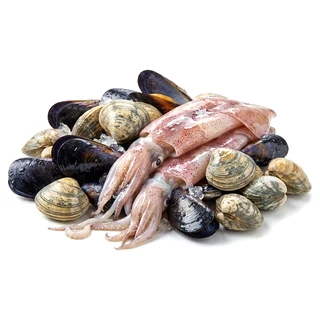


7. Five-Year Trade Evolutions and Strategic Outlook
Over the past five years, Morocco’s food import bill has more than doubled, expanding by 108% from $4.64 billion against the five-year baseline to $9.64 billion currently. This steep upward trajectory reflects both global commodity price inflation and deeper structural shifts within the Moroccan agrifood system, where recurring water deficits have collided with steady population growth and evolving urban demand.
The sharpest five-year import surges cluster around livestock, dairy, and drought-sensitive dry staples. Milk powder and cream imports jumped by 531% to $113.1 million, while live cattle imports climbed by 507% to $355.9 million. This trajectory correlates with prolonged dry spells that have constrained domestic pastureland and forage availability, prompting dairy processors and meatpackers to lean more heavily on imported raw milk solids and live animals to stabilize domestic supply. Similarly, steep increases in nuts (+377% to $303.5 million), lentils and chickpeas (+374% to $190.9 million), and soft drinks (+332% to $75.9 million) are likely linked to rainfall sensitivity in domestic pulse and orchard harvests alongside rising urban convenience consumption and expanding tourism-driven HoReCa demand.
Conversely, selective import contractions highlight pockets of domestic substitution and industrial reformulation. Whey imports declined by 48% to $25.9 million, while apples and pears fell by 27% to $29.2 million. Among key contributing drivers, the drop in whey correlates with dairy-industry shifts toward whole and skimmed milk powder formulations, whereas declining pome-fruit imports likely reflect maturing domestic orchard capacity and expanded cold-storage investment in Morocco’s Atlas highland production zones.
For international B2B suppliers, commodity trading houses, and food manufacturers, Morocco’s five-year evolution points to a durable, dual-opportunity landscape. On the inbound side, structural demand for milling wheat, feed grains, raw sugar, dairy powders, pulses, and live cattle is set to remain robust whenever climate volatility tests local yields. On the outbound side, Morocco’s deepening investment in desalination, greenhouse modernization, and marine processing ensures it will remain a premier, high-reliability sourcing partner for European and global buyers across canned seafood, winter produce, and high-margin berries.
 Milk powder & cream ($113.1M)
+531%
Live cattle ($355.9M)
+507%
Nuts ($303.5M)
+377%
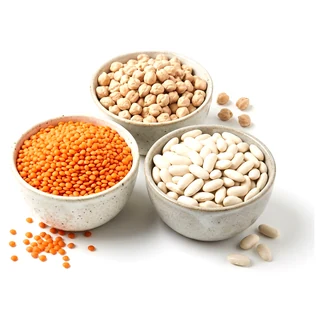 Lentils & chickpeas ($190.9M)
+374%
 Soft drinks ($75.9M)
+332%
 Whey ($25.9M)
-48%
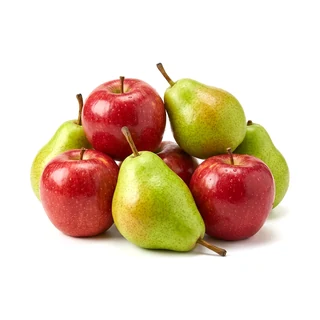 Apples & pears ($29.2M)
-27%
About the study: Agrifood market overview prepared by the analytical desk of MIC-TRADE (International Food Trading Company) based on official annual trade statistics from the United Nations Comtrade database and the World Bank. The calculated average price per tonne ($/t) represents a unit value aggregating various product specifications, grades, and delivery terms.