

Insights /
North Atlantic Mackerel Catch Quota Reduction: Raw Material Deficit and Pressure on Canning Production
Market Monitoring · Seafood Market · Mackerel
North Atlantic Mackerel Catch Quota Reduction: Raw Material Deficit and Pressure on Canning Production
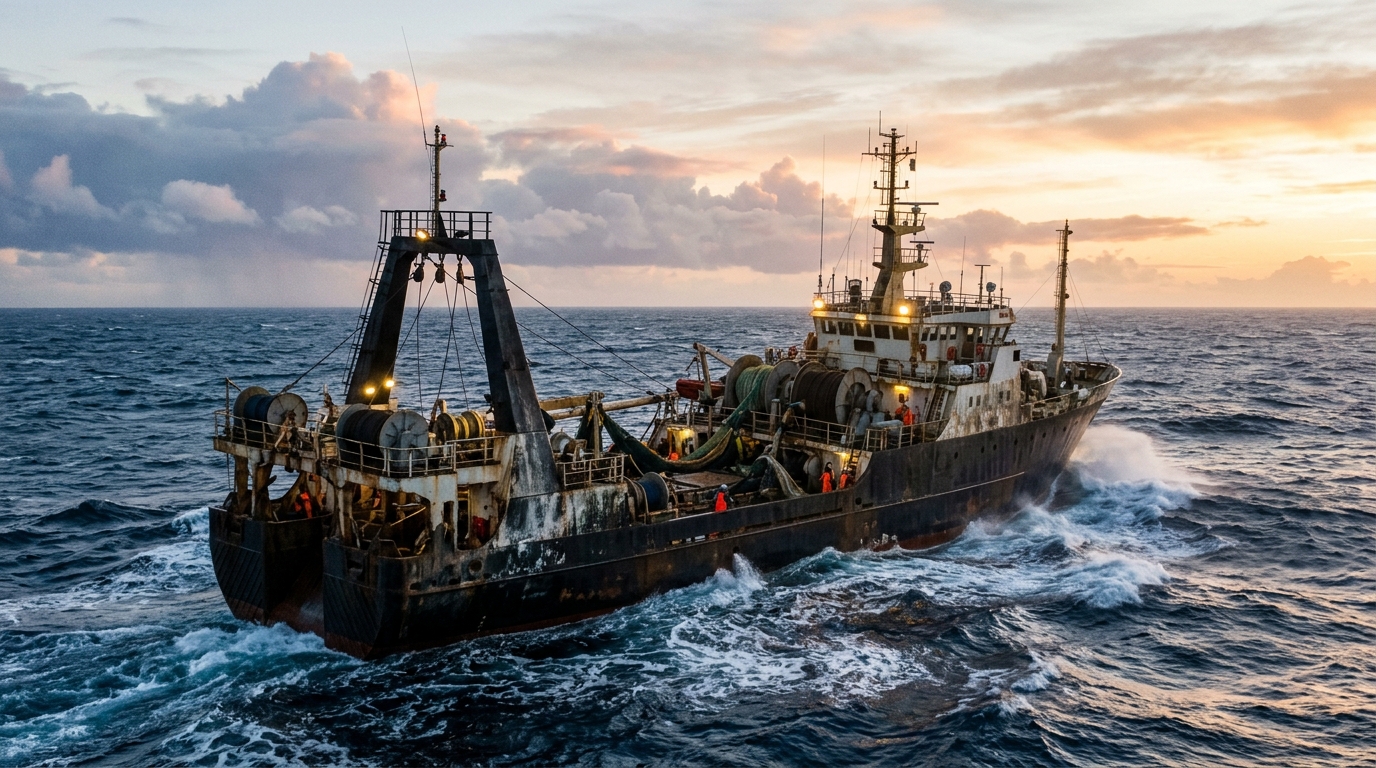
The ICES recommendation to reduce North Atlantic mackerel catches by 22%, combined with the absence of a comprehensive coastal state quota-sharing agreement, has significantly tightened raw material supply. Consequently, frozen mackerel prices have surged, compelling canning processors and international retailers to fundamentally revise their procurement strategies and product portfolios.
Scale of the Cut: ICES Sharply Lowers Recommended Mackerel Catch
The International Council for the Exploration of the Sea (ICES) has recommended limiting annual catches of North Atlantic mackerel (Scomber scombrus) to 576,000 tonnes—a decrease of approximately 22% compared to previous advice. The reduction is driven by declining spawning stock biomass (SSB), which is nearing safe biological thresholds. For the market, this signals that the resource base for the primary pelagic species used in canning is facing structural contraction rather than a temporary fluctuation.
Compounding the supply crunch, coastal states—including the United Kingdom, Norway, the European Union, the Faroe Islands, Iceland, and Greenland—have failed to establish a coordinated quota-sharing agreement. National limits continue to be set unilaterally, with the sum of autonomous quotas substantially exceeding scientific advice according to industry assessments. As a result, the commercial sector faces both stricter biological ceilings and severe operational ambiguity, accelerating the deficit of commercially viable raw material.
Pricing responded rapidly: according to market participants, frozen mackerel across 200–400g and 400–600g gradings on an FOB Northern Europe basis surged by 25–30% during the latest trading cycle. Because autumn catches serve as the primary raw material base for the global canning industry, food processors were the first to absorb the supply contraction.
Underlying Drivers: Feeding Shifts and Unresolved Quota Negotiations
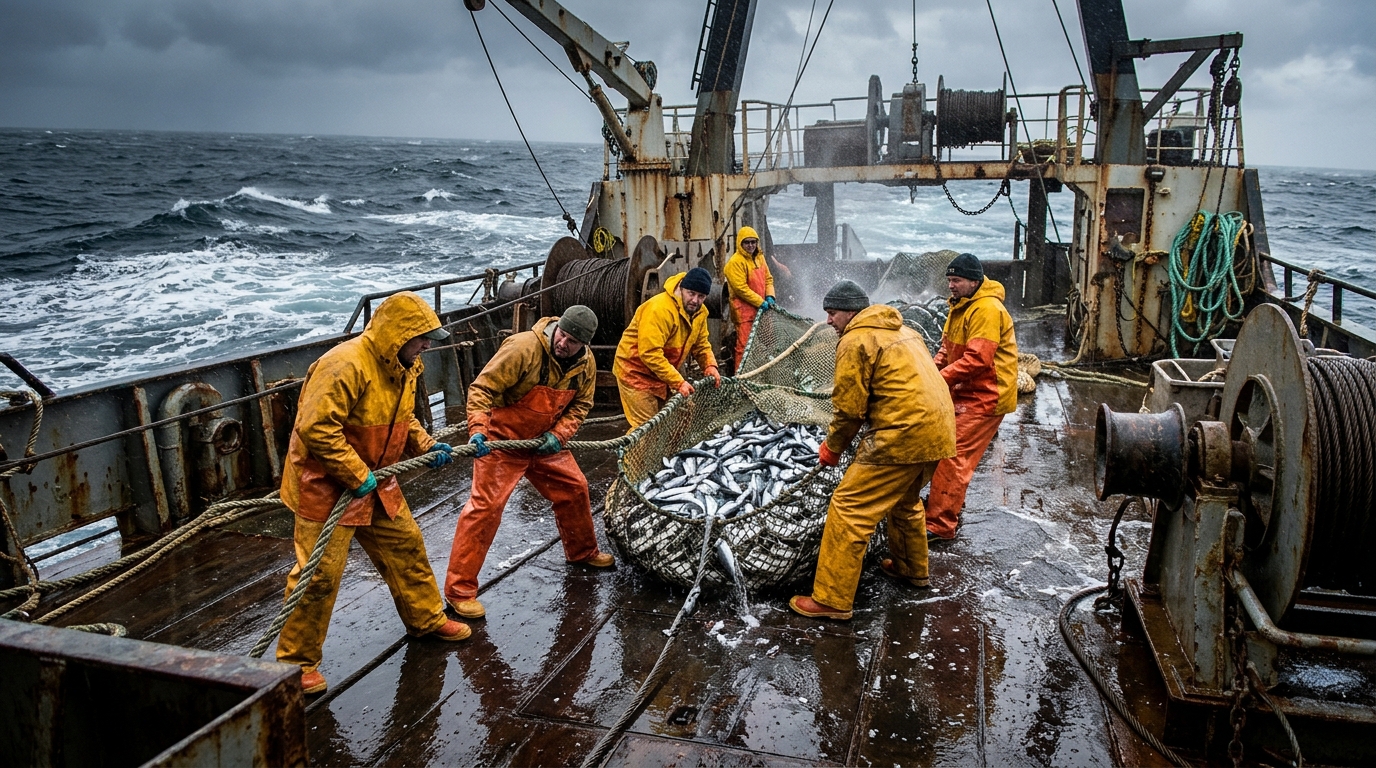
The fundamental driver behind the reduced catch recommendation lies in environmental shifts across the North Atlantic and the Norwegian Sea. Rising sea surface temperatures have displaced zooplankton feeding grounds (Calanus finmarchicus) further north and northwest toward the exclusive economic zones of Iceland and Greenland. Consequently, mackerel schools are dispersing over wider areas, altering the timing and density of feeding migrations and hampering commercial stock recruitment across recent year-classes.
The second decisive factor is the protracted stalemate among coastal states. Following the regulatory realignment of North Sea fisheries post-Brexit, coastal nations have been unable to establish an agreed allocation framework. Individual states continue to set unilateral quotas to safeguard domestic fleets and onshore processing infrastructure. This dynamic encourages fishing above scientific guidance, subsequently prompting ICES to impose steeper baseline catch reductions.
Operational costs across the pelagic fleet add further upward price pressure. Dispersed fish aggregations require vessels to spend more sea days navigating remote fishing grounds. Escalating marine fuel expenses and insurance premiums have raised the break-even landing prices required by vessel owners discharging catches into onshore cold storage facilities or factory reefer carriers.
Impact on Processing: Why the Deficit Hits Canning Lines Hardest
The tightening raw material supply is particularly disruptive for canning operations due to strict fat content specifications. Autumn-caught mackerel harvested between September and November yields an optimal fat content of 25–32%, ensuring tender texture and structural integrity following retort sterilization. Conversely, spring catches register fat levels of merely 10–14%, yielding dry, fibrous canned product. Consequently, processors must contract the bulk of their annual raw material requirements within this narrow autumn fishing window—the exact segment most constrained by quota reductions.
Competition across gradings is also intensifying. Standard 170–240g retail cans require the 200–400g size grading, whereas the larger 400–600g fraction attracts premium bids from fresh and hot-smoked markets in Asia and Western Europe. Amid tight total supplies, fishing fleets prioritize these higher-yielding commercial segments, leaving standard processing grades disproportionately scarce relative to headline quota cuts.
Because whole round fish represents the dominant component of cannery cost of goods sold (COGS), frozen raw material price increases pass directly into finished goods wholesale prices. Processors have limited room to absorb these increases within operating margins, particularly amid rising costs for tinplate, vegetable canning oils, and industrial energy.
Industry Response: Forward Booking, Species Substitution, and Portfolio Realignment
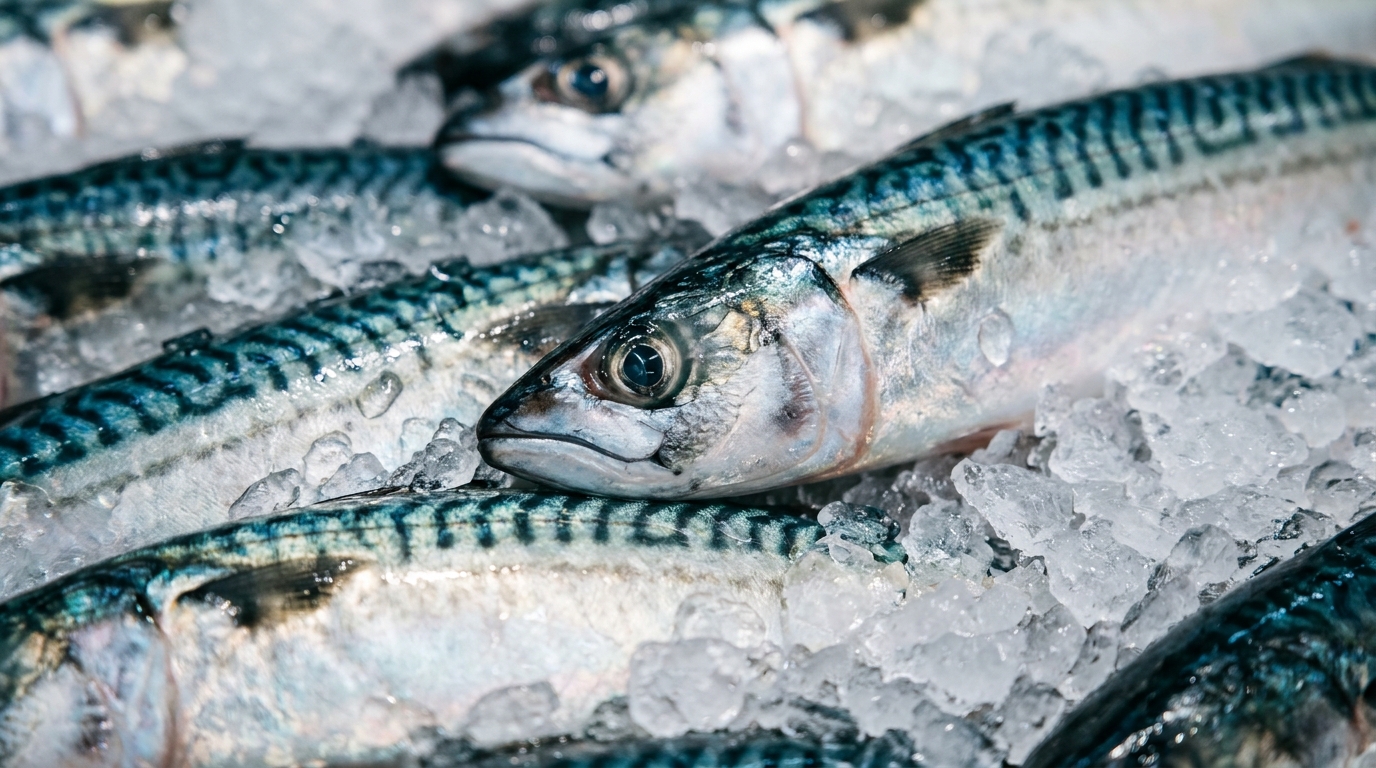
Canning plants and international brand packers are overhauling annual procurement models. Spot purchasing of frozen raw material is rapidly declining due to the risk of cold storage inventory depletion before the spring cycle concludes. Large-scale processors are shifting toward forward contracting directly with pelagic freezer trawler operators, agreeing to catch-indexed pricing mechanisms and shortened settlement terms.
In standard and economy price tiers, raw material diversification is gaining momentum. Canners are increasingly blending North Atlantic Scomber scombrus with Pacific chub mackerel (Scomber japonicus) harvested in FAO Major Fishing Areas 61 and 87, as well as Atlantic horse mackerel (Trachurus trachurus). Pacific mackerel features denser muscle fiber and lower natural lipid levels, requiring modifications to thermal processing schedules and liquid medium formulations, yet enables brands to maintain viable shelf price points for price-sensitive volume segments.
International grocery retail chains are concurrently adjusting their private label assortments. Promotional activity on standard round cans is slowing, with category managers pivoting toward premium SKUs—such as skinless, boneless fillets in glass jars and club aluminum cans. Private label supply contracts increasingly feature floating price formulas with quarterly indexed adjustments.
Outlook: Structural Deficit and Implications for Global Trade
The North Atlantic mackerel market has entered a structural deficit: scientific catch reductions intersect with uncoordinated national quotas, while climate-driven ecological shifts hinder biomass recovery. Market leverage firmly favors vessel operators and primary cold storage hubs, leaving canning processors to bid aggressively for a restricted supply of high-fat autumn fish. This imbalance underpins a sustained bullish price trend across finished goods.
The commercial chain linking quotas, landing volumes, size gradings, and cannery production economics ensures that future ICES advice and coastal state negotiations will directly dictate international retail procurement. These upstream developments will determine whether mackerel retains its volume share in mainstream supermarket canned aisles or shifts toward a premium specialty category supplemented by alternative pelagic species.
MIC-TRADE (International Food Trading Company):
“MIC-TRADE is an international food trading company specializing in International food commodity trading and bridging commercial relationships between producers and buyers across global markets.
We manage international supply chains, source manufacturing partners, align product specifications, and oversee export-import operations. We place particular emphasis on product characteristics, processing standards, quality control, and transparency of commercial terms.
Explore product specifications and availability in the dedicated mackerel section of the MIC-TRADE catalogue. To discuss supply programs, distribution partnerships, or international trading opportunities, contact our commercial desk via the contact page.”