

Premium Canned Champignons in Brine: Freshness Preservation, Plant Protein, and Culinary Versatility
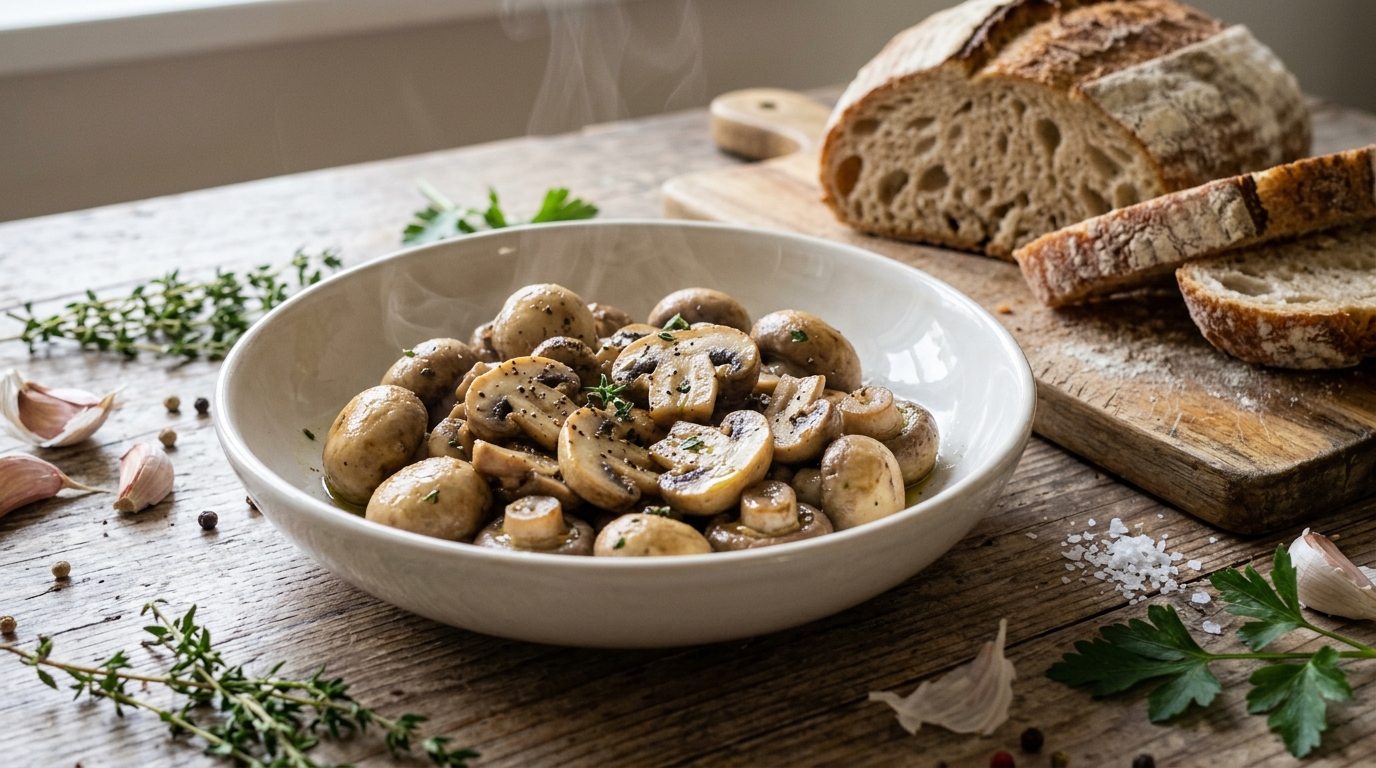
In professional gastronomy and fine cuisine, white button mushrooms occupy a foundational position, serving as an adaptable, high-grade base for complex flavor profiles. Their proven ability to absorb sauce nuances, harmonize with seasonings, and maintain structural firmness makes them indispensable across high-volume restaurant lines and signature conceptual menus alike. Cultivated white button mushrooms are globally prized by culinary professionals for predictable texture, clean color tone, and verified raw material safety. A specialized niche in modern food processing belongs to gentle preservation, which locks in the inherent qualities of fresh-picked crops without artificial additives. A clear, minimalist brine does not mask but rather highlights the natural attributes of the mushrooms, sealing in cellular moisture and delicate cap integrity. As a result, canned champignons become a self-sufficient, high-performance ingredient capable of balancing warm entrees, casseroles, and refined cold presentations. Beyond presentation and mouthfeel, nutritional composition and operational workflow optimization carry increasing weight in procurement. Combining low caloric density with valuable plant-based protein and essential micronutrients, select champignons meet the demands of health-oriented consumer diets. Concurrently, their ready-to-use format and exceptional thermal resilience provide foodservice operators with reliable portion control, minimal prep overhead, and uncompromising aesthetic execution.
Natural Origin and Cultivation: Agaricus Bisporus Biology and Controlled Environments
Cultivated white button mushrooms (Agaricus bisporus) represent one of the most thoroughly documented yet demanding species in commercial mycology. To achieve dense cap tissue and a uniform ivory color, they are grown in ecologically controlled indoor chambers where automated HVAC systems maintain continuous equilibrium across relative humidity, air exchange, and ambient temperature. The primary growing substrate consists of natural pasteurized compost, formulated using dedicated methods to supply the mycelium with complete organic nutrients without synthetic growth stimulants.
Substrate pasteurization serves as the critical biosecurity barrier, eliminating competitor microflora to establish an uncontaminated growth medium for mycelial colonization. Sealed cultivation chambers completely isolate crops from external contaminants, runoff water, and atmospheric particulate matter. Consequently, the mushroom caps develop a smooth, firm, and silky surface, exhibiting the uniform milky-white hue required by commercial culinary standards.
Precision Manual Harvesting at Peak Maturity
Harvesting is conducted entirely by hand to prevent mechanical bruising of delicate fungal fibers and avoid damaging the outer cuticle. Trained harvesters identify the precise cutting window when the partial veil beneath the cap remains intact and the flesh attains optimal turgor. Immediately following harvest, raw batches are transferred to primary optical and manual grading lines.
- Cultivation in isolated chambers featuring tight automated microclimate control.
- Use of exclusively pasteurized organic compost substrates free from synthetic stimulants.
- 100% manual picking to prevent micro-fissuring and preserve cap integrity.
- Strict diameter grading conducted directly during primary sorting.
Organoleptic Profile and Flavor Purity: Resilient Texture and Delicate Brine
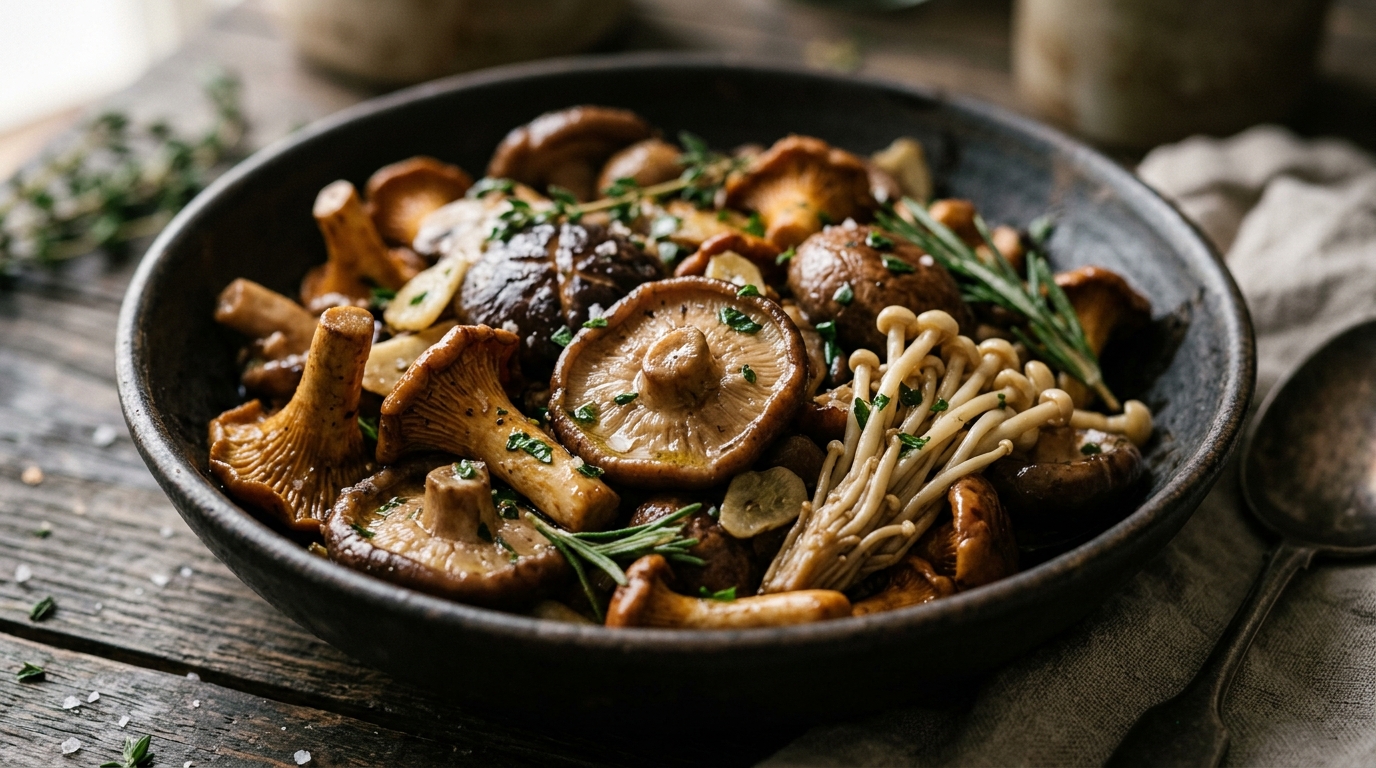
The flavor profile of professionally canned champignons is distinguished by subtle, earthy mushroom notes and a clean, neutral palate free from persistent bitterness or harsh acidity. The paramount sensory attribute is a crisp, elastic bite reminiscent of premium blanched fresh mushrooms. The internal flesh maintains cellular cohesion without turning mushy or fibrous, providing consistent textural resistance.
This structural balance is achieved through a minimalist packing medium adhering to clean-label standards. Preservation utilizes a clarified brine consisting solely of purified water, sea salt, and citric acid as an acidity regulator. The formulation excludes synthetic flavorings, artificial colorants, and monosodium glutamate. Citric acid acts as a mild preserving and color-stabilizing agent, maintaining natural coloration without overpowering the mild mushroom bouquet.
Balancing Intrinsic Moisture and Osmotic Equilibrium
Controlled sea salt concentration creates an optimal osmotic balance, ensuring cellular walls retain intrinsic moisture throughout extended shelf life. This prevents tissue shriveling, softness, or syneresis while in hermetic packaging. Total brine clarity further confirms raw material purity and absence of cell lysis during commercial autoclaving.
Quality Grading and Formats: Whole Buttons and Calibrated Slices for Foodservice
To maximize culinary and operational flexibility, commercial processing adheres to two primary calibration and cutting standards. Professional procurement managers and culinary directors specify whole compact mushrooms or precision-sliced cuts depending on the plating aesthetics and processing stages of their operations.
Whole Button Mushrooms
The Whole Button specification comprises calibrated small mushrooms featuring fully closed caps and trimmed stems. These premium whole canned mushrooms serve as a clean visual focal point across banquet cold platters, hors d’oeuvres, and antipasti assortments. Their uniform spherical geometry creates refined visual contrast when paired with fresh salad greens, baby arugula, or sun-dried tomatoes.
Calibrated Slices (Sliced / Pieces & Stems)
In high-throughput foodservice operations, uniformly calibrated mushroom slices are essential for workflow streamlining. Canned sliced champignons feature standardized slice thickness, guaranteeing even thermal penetration in sauces, pizzas, and bakery fillings without requiring prep station labor.
- Calibrated whole buttons: aesthetic centerpieces for tapas, marinades, and whole roasting.
- Uniform slices: optimal layering for lasagna, savory tarts, and hot fillings.
- Fractional homogeneity: identical cooking times and repeatable moisture release across all recipes.
Gastronomic Applications and Pairings: From Classical Lines to High-End Plating
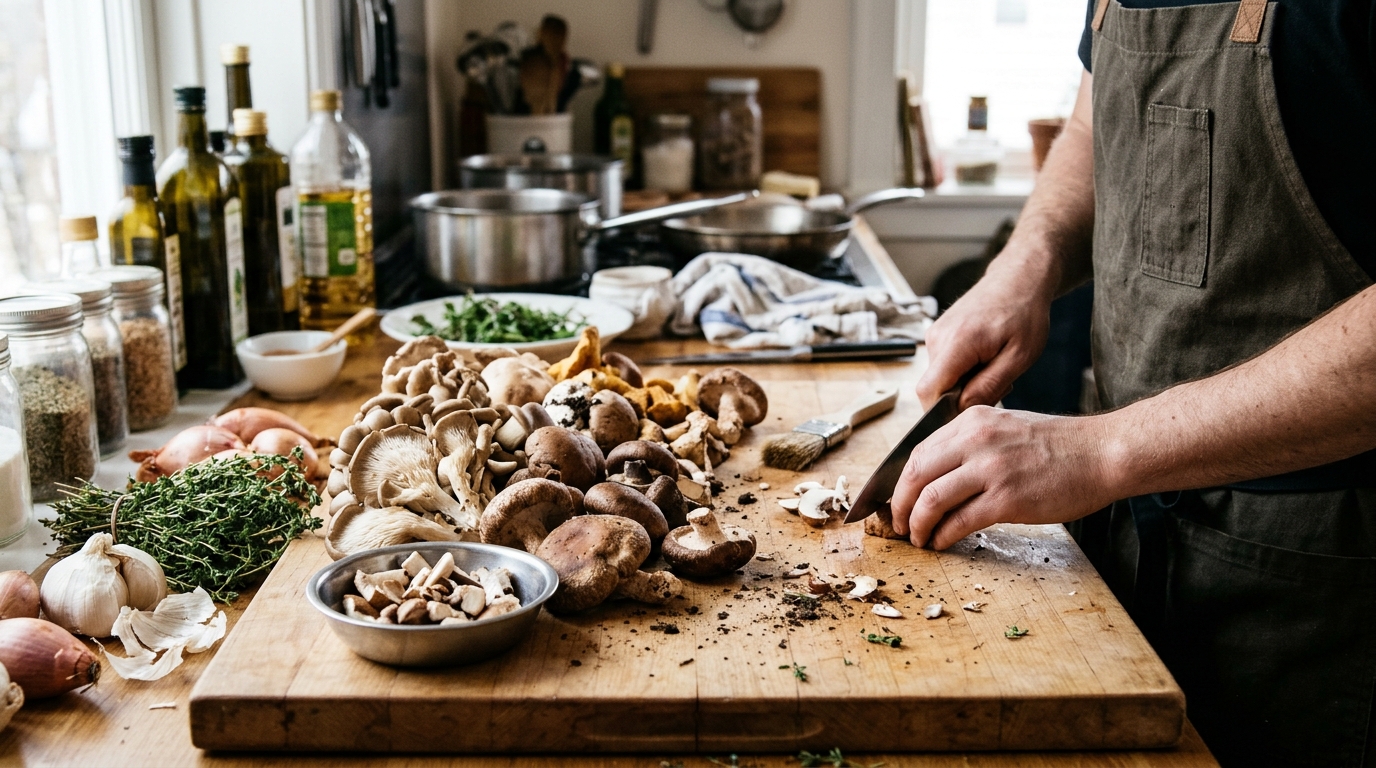
The culinary utility of Agaricus bisporus stems from its structural resilience and capacity to act as a flavor sponge across intricate formulations. They represent an established standard in pizza production, classical gratins and juliennes, velvety cream potages, warm composed salads, and rich pan reductions. The balanced aroma of Agaricus bisporus supports broad spice profiling: from fresh thyme, rosemary, and garlic to dry white wine reductions, nutmeg, and Dijon emulsions.
High-Temperature Baking: High-Performance Pizza Toppings
Baking authentic Neapolitan or Roman-style pizza requires rigorous moisture management. Excess surface water turns pizza dough soggy, whereas overly desiccated mushrooms char rapidly under direct radiant heat. Premium canned mushroom slices maintain structural hydration without water pooling or darkening, tolerating high-temperature deck ovens up to 250°C. Slices remain tender and elastic, developing crisp golden margins alongside melted mozzarella.
Velvety Mushroom Julienne and Cream Reductions
Classical baked julienne demands a silky cream suspension under a caramelized cheese crust. Utilizing canned champignons drastically reduces preparation lead times by eliminating the initial sweat-down stage required for fresh mushrooms. Chefs briefly sauté slices with minced shallots in clarified butter, fold in heavy cream or velouté, finish with freshly grated nutmeg, and broil under aged Alpine or Gruyère cheeses.
Pureed Soups, Composed Warm Salads, and Demi-Glace Reductions
In blended potages, champignons form a smooth, emulsified foundation pairing seamlessly with root vegetables, potato velouté, and toasted brioche croutons. In warm salads, drained slices glaze rapidly in soy-balsamic reductions alongside haricots verts or poultry tenderloins, sustaining moisture upon contact with high pan heat. In brown sauces, they introduce savory depth, enhancing rich demi-glace and roasted tomato reductions.
Nutritional Biochemistry: Plant Protein Density and Essential Micronutrients
Nutritional profiling highlights the unique combination of high micronutrient density and low caloric load inherent to Agaricus bisporus. Yielding merely 18–24 kcal per 100 g, canned button mushrooms provide an ideal foundation for calorie-controlled, plant-forward, and health-conscious menu segments, delivering satiety without caloric excess.
A quantitative assessment of canned champignons reveals a functional nutritional matrix. The product delivers up to 2.5–3.0 g of high-quality plant-based protein per 100 g, supporting well-formulated vegetarian and vegan dietary requirements. Furthermore, the mushrooms provide notable concentrations of B-complex vitamins (specifically riboflavin and niacin), along with essential minerals including phosphorus and potassium.
| Nutritional Parameter | Value per 100 g |
|---|---|
| Energy Density (Calories) | 18–24 kcal |
| Plant Protein | up to 2.5–3.0 g |
| Vitamin Complex | B-complex vitamins (Riboflavin, Niacin) |
| Mineral Complex | Phosphorus, Potassium |
Functional Role in Modern Diets
Riboflavin and niacin serve as essential coenzymes in cellular energy metabolism, while potassium and phosphorus support electrolyte equilibrium and neuromuscular function. Owing to their low energy density and natural protein content, cultivated button mushrooms easily integrate into weight management protocols, athletic nutritional regimens, and specialized plant-forward dining programs.
Preservation Engineering: Industrial Retorting and Structural Heat Stability
Preserving natural fungal attributes depends directly on processing throughput speed. Hand-picked button mushrooms enter the cleaning and packing line within 6–12 hours of harvesting. This minimal harvest-to-can window prevents enzymatic oxidation, locking in natural tissue whiteness and elastic firmness without surface graying.
Following multi-stage water washing and precision filling into food-grade cans, the product undergoes thermal steam retorting under pressure in industrial autoclaves. This continuous commercial sterilization ensures a certified 3-year ambient microbiological shelf life without requiring chemical preservatives or synthetic inhibitors.
Thermal Tolerance and Cellular Integrity
The fungal chitin matrix within the cell walls of Agaricus bisporus provides natural resistance to secondary heating. Canned champignons maintain their cellular texture and bound moisture even under demanding baking conditions reaching 250°C, preventing shrinkage, collapse, or drying across finished commercial applications.
Procurement Standards and the MIC-TRADE Portfolio: Ready Solutions for HoReCa and Retail
For commercial foodservice operators, integrating canned mushrooms directly lowers back-of-house labor costs and prep shrinkage. As a fully shelf-stable, ready-to-use ingredient, it eliminates the labor-intensive washing, trimming, compost removal, and pre-cooking cycles required by fresh produce. Opening a can delivers calibrated, spotless, thermally stable product with 100% predictable yield per batch.
By sourcing select canned champignons from the MIC-TRADE commodity portfolio, commercial procurement officers and retail category managers secure standardized food supplies compliant with global safety standards. Partner processing facilities maintain active certifications under ISO 22000:2018, HACCP, and ISO 9001:2015, enforcing rigorous critical control point (CCP) oversight from substrate pasteurization through final retort cooling.
Consistent Supply Chain Performance and Client Support
Rigorous compliance with international safety standards and import frameworks minimizes batch variance for professional commercial kitchens. Grounded in transparency and operational accountability, MIC-TRADE curates its canned commodity portfolio to meet the exact specifications of executive chefs, industrial food manufacturers, and nationwide distributors. For packaging specifications, bulk container inquiries, and contract terms, connect directly with MIC-TRADE commercial experts.