

Surging Ocean Freight Rates: How Global Logistics Turbulence Is Reshaping Food Imports

The global container shipping market is undergoing another structural realignment as Red Sea diversions, transit hub congestion, and an 85–115% year-on-year surge in freight rates strain global food import balances. Extended voyages around the Cape of Good Hope have tied up effective vessel capacity, driving container deficits across key agricultural origin ports. We examine the structural drivers of this logistics disruption and how international commodity traders and food processors are recalibrating procurement and contracting strategies.
Market Reality and Scale: Severe Freight Rate Volatility and Effective Fleet Contraction
The global container logistics market has experienced another surge of pricing volatility, directly affecting international food supply chains. According to global monitoring indices, volume-weighted ocean container freight rates have jumped 85–115% year-on-year on key routes from Southeast Asian ports to Mediterranean and Northern European terminals. Global Schedule Reliability has deteriorated to 51–53%, triggering widespread delays in delivery schedules for agricultural raw materials and canned food products.
Effective global container fleet capacity contracted by approximately 9–11% due to extended average vessel turnaround times. While shipping lines have deployed additional tonnage to maintain weekly service frequencies, average transit times from Asian origin hubs to European discharge ports have increased by 14–18 days, reaching 55–65 days compared to typical 35–40 day baselines. This absorption of vessel capacity has tied up substantial equipment volumes, generating structural shortages of food-grade empty containers across critical agricultural export regions.
Underlying Drivers: Rerouted Voyages, Hub Congestion, and Cascading Costs
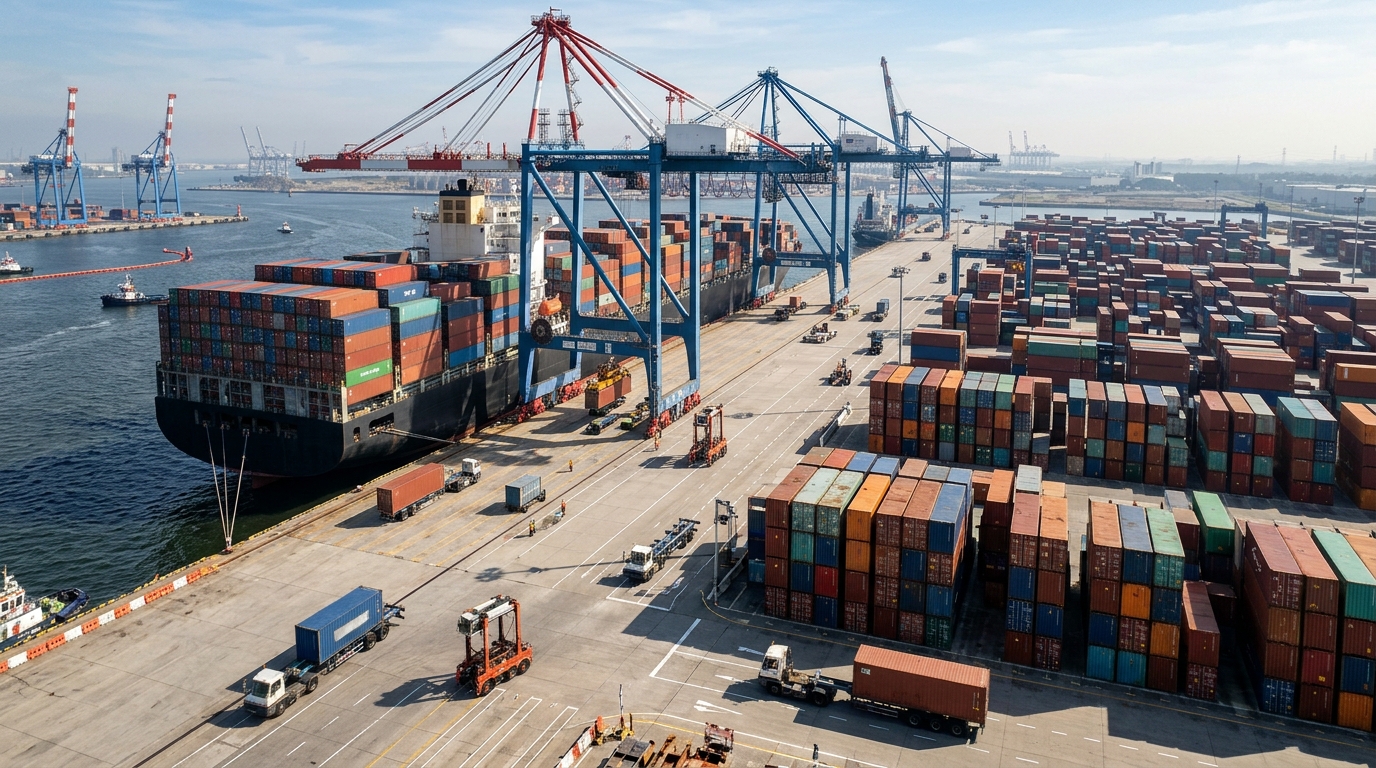
The primary catalyst behind this destabilization remains the circumnavigation of Africa due to persistent maritime security risks in the Red Sea and the Bab-el-Mandeb Strait. Rerouting via the Cape of Good Hope adds 3,000–3,500 nautical miles per voyage. This extended transit requires more vessels to sustain schedule integrity and incurs steep increases in carrier bunker consumption alongside regulatory compliance costs under the European Union Emissions Trading System (EU ETS).
Compounding these pressures is severe congestion across pivotal deepwater transshipment hubs. Major nodes including Singapore, Tanjung Pelepas, and leading Mediterranean gateway ports have faced severe vessel bunching, multiplying anchorage wait times. This loss of operational synchronization has cascaded into regional feeder networks connecting hub ports to secondary destination markets. Concurrently, localized shortages of food-grade containers at load ports have fueled spot surcharges, significantly complicating logistics budgeting for food importers.
Market Mechanics: High Sensitivity of Food Commodities to Transport Costs
Agri-food commodities—including canned vegetables, mushrooms, fruit preserves, dry pulses, tomato paste, and edible oils—exhibit acute sensitivity to freight rate swings due to their relatively modest value-to-weight ratio. With standard container payloads averaging 20–24 metric tons net, doubling ocean freight rates inflates the freight component of the total landed cost on CIF/CFR terms from a historical 4–6% to 14–20%.
This sharp escalation directly compresses margins across processing and packaging operations, where typical importer operating margins range between 3% and 7%. Furthermore, transit extensions of two to three weeks prolong the cash-to-cash conversion cycle, tying up working capital. Seasonal factors exacerbate these bottlenecks: fruit and vegetable processing is strictly dictated by crop harvest cycles. Equipment delays or vessel space constraints during harvest peaks force processing plants to postpone loadings, creating substantial risk of defaulting on agreed supply programs.
Industry Response: Geographic Diversification and Supply Chain Adaptation
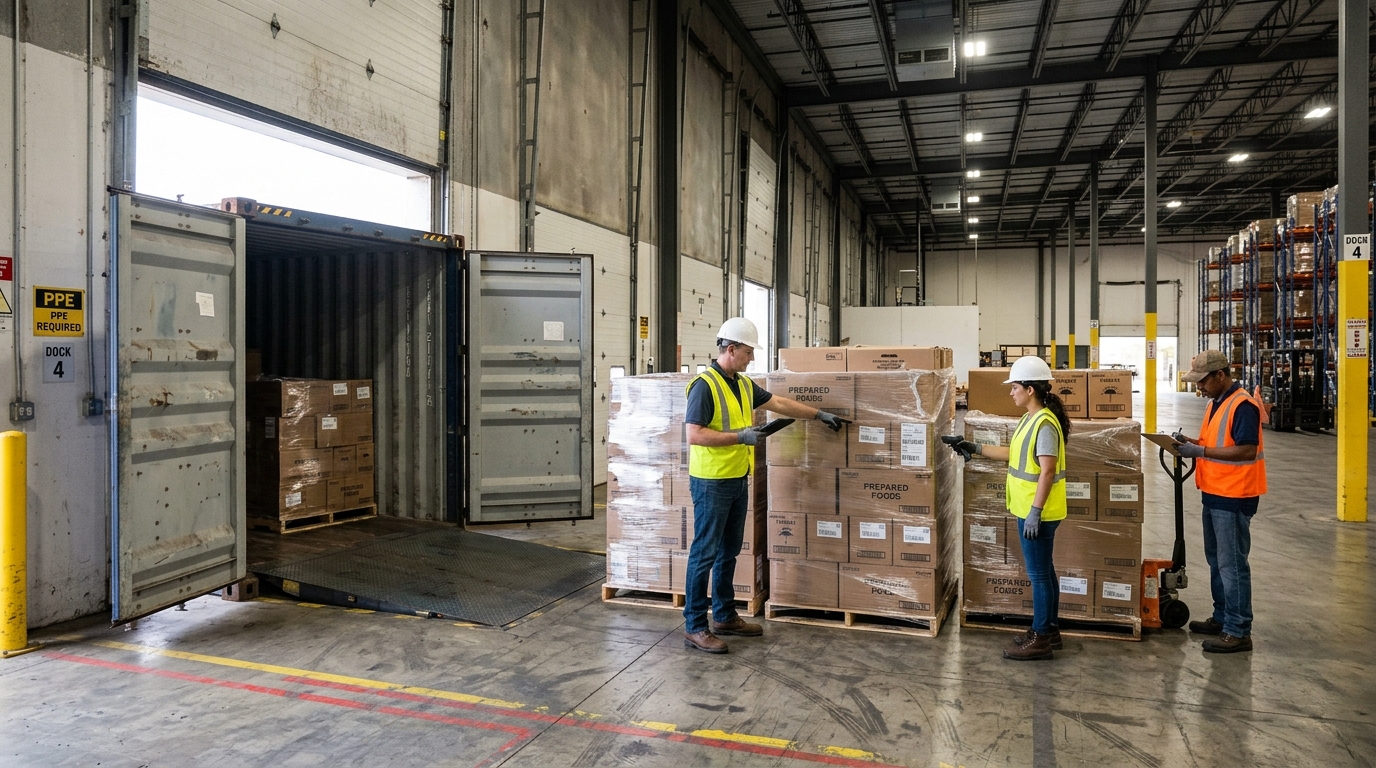
The international food trading sector is adjusting by aggressively diversifying origin sourcing. Importers and food processors are increasingly shifting procurement volumes to origins with shorter transit corridors. In categories such as canned vegetables, processed tomato products, and pulses, interest has surged toward suppliers across the Mediterranean basin, North Africa, and continental Europe, where supply chains can leverage short-sea feeder lines or overland intermodal trucking.
In procurement practice, a clear shift is under way from Just-in-Time inventory models toward Just-in-Case safety buffers. Retail chains and industrial processors have expanded procurement planning horizons from 45–60 days out to 4–6 months. In parallel, contracting structures are moving toward flexible indexation mechanisms, incorporating dynamic bunker adjustment factors (BAF) and currency adjustment factors (CAF) locked at the time of vessel booking.
Conclusion: Strategic Priorities for International Food Trading Operations
Analytical Takeaway: Global containerized food logistics is in a structural transition toward longer transit routes and elevated operating costs. Despite new container ship deliveries entering service, geopolitical exposure and transshipment bottlenecks continue to support freight rates at elevated levels. Over the medium term, transportation costs will remain a material determinant of landed food import pricing.
Operational Takeaway: For cross-border market participants—importers, processors, and trading houses—operational resilience hinges on supplier origin diversification, forward contracting discipline, and rigorous pre-shipment quality specification controls at origin. Strategic priority has shifted from pursuing bottom-of-the-market spot quotes to securing schedule certainty and partnering with established international trading operators.
“MIC-TRADE is an international food trading company specializing in food commodity supply and the development of trade channels between manufacturers and institutional buyers across global markets. We manage international supply chains, source reliable manufacturing partners, align precise product specifications, and execute complex export-import operations. We place particular emphasis on cargo specifications, manufacturing compliance, quality control, and transparent commercial terms. Explore our portfolio and product specifications in the MIC-TRADE catalog. To discuss supply programs, international distribution, or long-term partnership opportunities, contact our team via the contact page.”