

Thai Rice Export Standards: Moisture, Milling, and 0% vs. 25% Broken Grain Specifications in B2B Procurement
Thai rice represents an internationally recognized benchmark of agricultural purity and centuries-old breeding traditions in Southeast Asia, where the unique monsoon climate and nutrient-rich alluvial soils of river basins provide an optimal environment for cultivating premium grain. Across the global hospitality, catering, and food processing industries, this commodity serves not merely as a staple cereal, but as a strategic culinary foundation. The organoleptic purity and physical parameters of the grain dictate flavor harmony across both traditional regional cuisines and sophisticated contemporary food concepts worldwide. For international distributors, retail buying alliances, and commercial culinary operators, rice sourcing rests on rigorous technical criteria. Thailand’s grain export standards govern the structural integrity of each kernel, surface milling degree, starch matrix behavior during thermal processing, and holding stability on service lines. In large-scale commodity purchasing, critical parameters include precise broken grain percentages, residual moisture content, and specialized hydrothermal processing methods. Distinguishing between ultra-premium zero-broken lots and cost-efficient 25% broken grades enables procurement professionals to optimize raw material expenditures without compromising textural performance. This comprehensive technical guide details the cultivation dynamics, industrial milling practices, and sensory profiles of Jasmine, Parboiled, and White rice, alongside the contract specifications that underpin global supply reliability.
Natural Provenance and Botanical Integrity of Thai Oryza sativa
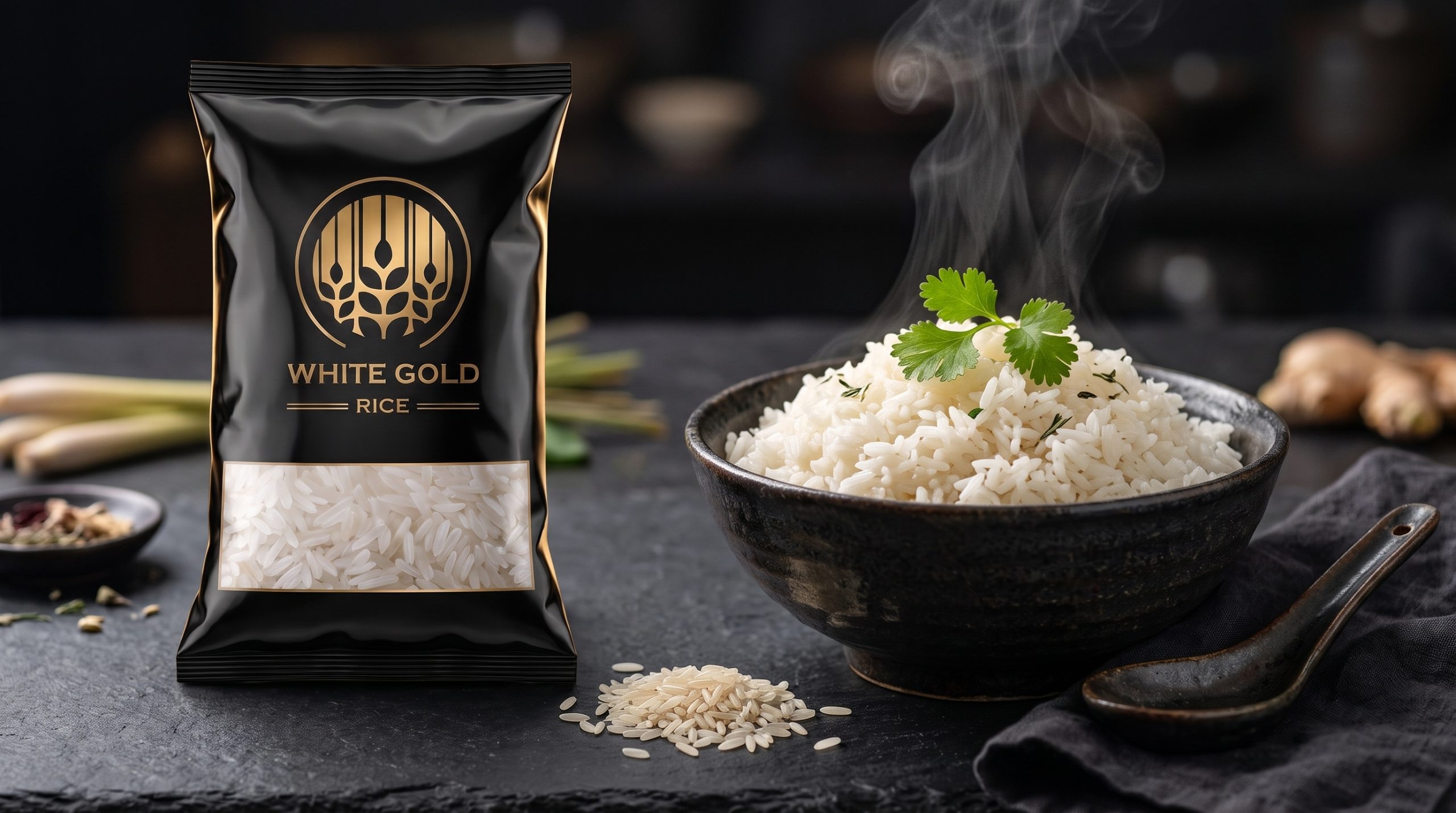
Thai long-grain rice belonging to the botanical species Oryza sativa is supplied internationally by MIC-TRADE under the White Gold Rice brand directly from Thailand—one of the world’s most influential grain exporters and the historical origin of aromatic Jasmine rice. For importers, retail chains, and food manufacturing facilities across Europe, the Middle East, Africa, and Asia, Thai grain serves as an industry quality benchmark, setting high consumer expectations on a global scale.
Cultivation of long-grain rice across Thailand’s major river basins relies on the cyclical rhythm of monsoon rainfall and extended periods of sunlight. Mineral-rich alluvial soils facilitate uniform starch endosperm development, yielding consistent grain geometry and dense kernel structures. This structural uniformity makes Thai long-grain rice a foundational choice for commercial importers requiring predictable performance across professional food service kitchens and industrial production lines.
Morphological Uniformity and Selective Breeding Cycles
The Thai rice milling sector is anchored in strict varietal seed stock preservation. Extended vegetative growth periods and controlled harvest timing produce grain with uniform internal structure, minimizing micro-fissures and kernel deformation prior to harvesting. This morphological integrity is essential for precision milling, where whole-kernel yield directly governs final lot valuation.
Organoleptic Profiles, Textural Grading, and Culinary Attributes
The sensory value of commercial rice emerges from the complex interaction of volatile aromatics, post-hydration grain firmness, and kernel separation. Thai cultivars span an extensive functional spectrum—from silky, floral tenderness to complete individual grain separation—dictated by cultivar genetics and post-harvest conditioning technologies.
Jasmine: Delicate Floral Aromatics
Renowned Thai Jasmine rice (Hom Mali) is distinguished by a delicate, natural pandan-like floral aroma released during thermal preparation. Upon cooking, the kernel develops a tender, soft, and slightly cohesive texture, delivering a refined, velvety mouthfeel.
This natural light stickiness is distinct from overcooking: it allows comfortable handling with traditional cutlery and chopsticks while binding savory sauces across the grain surface, making Jasmine an ideal companion for aromatic curries, braises, and delicate seafood preparations.
Parboiled: Amber Density and Kernel Separation
Parboiled rice presents a contrasting sensory profile, featuring a mild cereal aroma and a characteristic golden hue that enhances plate presentation. During cooking, this variety displays consistent stability: it remains firm, resilient, and completely free-flowing, with each kernel retaining its individual structure.
Owing to its robust starch matrix, Parboiled rice withstands prolonged exposure to hot sauces and maintains its integrity through extended holding cycles or reheating, making it highly valued by banquet operations and industrial ready-meal manufacturers.
White rice: Neutral Profile and Fluffy Yield
Standard milled White rice offers a neutral flavor profile and clean, subtle cereal notes, serving as a versatile culinary canvas. Following preparation, the kernels expand into a light, fluffy volume with distinct separation, avoiding excessive density on the plate.
Its capacity to absorb surrounding spices, broths, and seasoning oils without altering underlying flavor profiles establishes white rice as an indispensable staple for high-volume commercial catering and institutional food service.
Quality Grading and Milling Specifications: 0% vs. 25% Broken Grain
The commercial long-grain rice portfolio centers on three principal grades: premium Jasmine and Parboiled varieties specified at 0% broken grains (composed exclusively of head rice), alongside standard high-grade White rice with 25% broken content. The broken grain fraction represents the primary pricing, textural, and operational determinant in wholesale commodity trade, directly governing starch leaching and cooking uniformity.
Impact of Broken Fractions on Hydration and Thermal Physics
Kernel breakage exposes the inner porous starch matrix. During thermal preparation, fractured fragments absorb water considerably faster than intact head rice, leading to uneven cooking rates. Free amylose leaches rapidly into the cooking liquid, clouding broths and compromising grain separation.
- 0% Broken Specification: Delivers uniform hydration kinetics, synchronized tenderness across all kernels, and pristine visual presentation required in high-end restaurant and premium retail packaging.
- 25% Broken Specification: Provides a cost-effective solution for formulations where moderate starch release is functionally advantageous or where grain undergoes secondary mechanical processing.
0% Broken Grade: Head Rice Structural Integrity
Premium 0% broken Jasmine and Parboiled lots undergo multi-stage optical sorting and mechanical sieve grading using state-of-the-art color sorters. The strict exclusion of broken fragments ensures uniform longitudinal expansion during boiling or steaming, maximizing finished cooked yield per kilogram of raw input.
25% Broken Grade: Economic and Operational Efficiency
Standard 25% broken white rice serves as an economical raw material for high-volume catering, institutional dining, and industrial food manufacturing. The controlled presence of shorter fragments yields a softer finished texture, ideally suited for thick soups, fillings, casseroles, and extruded food formulations, allowing distributors to optimize procurement budgets on large-volume contracts.
Processing Engineering: Milling, Hydrothermal Parboiling, and Moisture Control
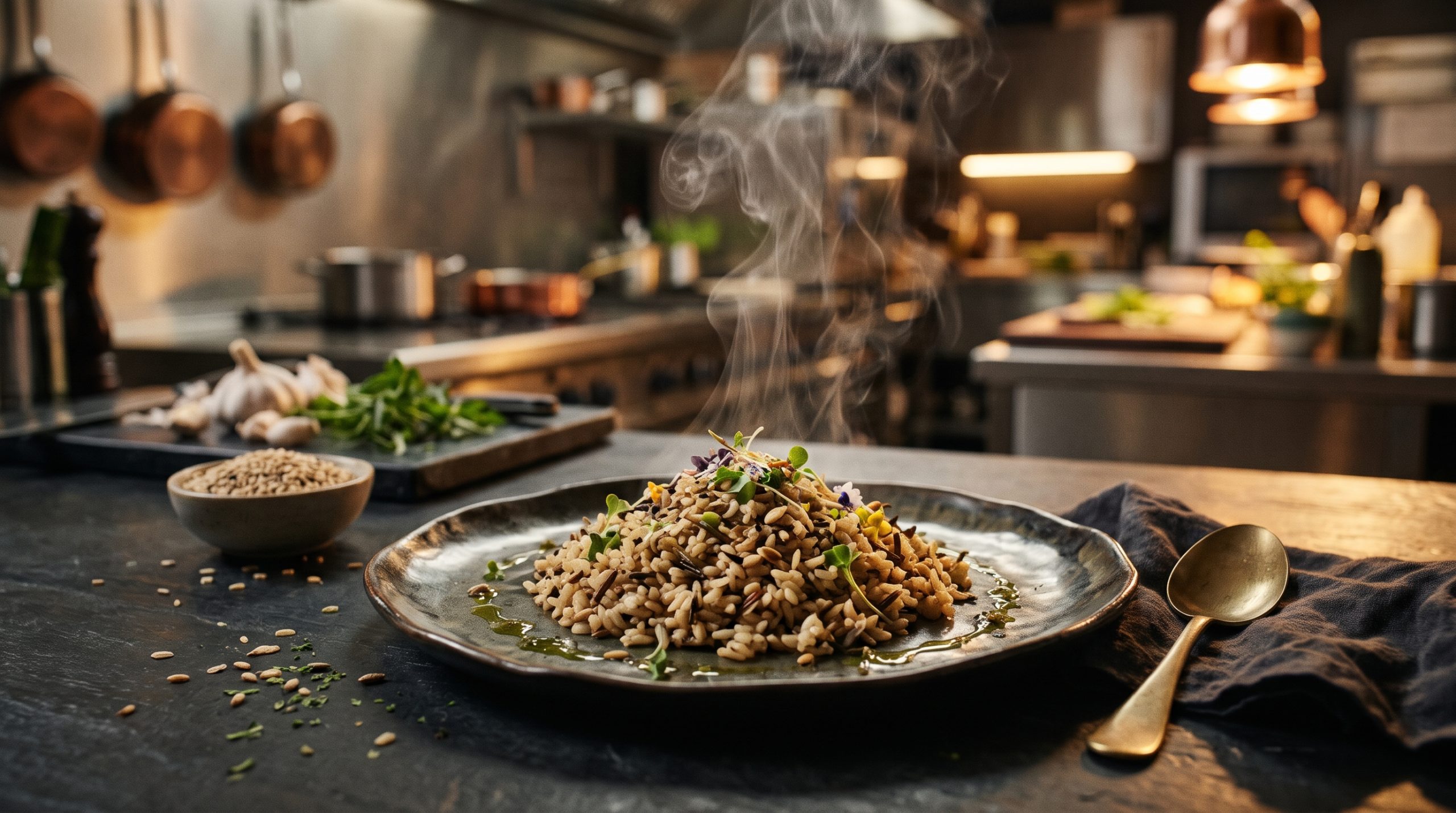
Converting harvested paddy into export-grade commodity rice requires meticulous mechanical engineering. All commercial consignments are delivered to international buyers as dry, free-flowing grain without brine, preservatives, or chemical additives. Processing, sorting, and packaging occur directly at the mill facility without pasteurization or sterilization, as properly conditioned dry grain possesses inherent microbiological stability during storage.
Raw Milling: Preserving Natural Aroma in Jasmine and White Rice
Jasmine and standard White rice undergo progressive multi-pass abrasive and friction milling without pre-steaming. This mechanical sequence systematically strips the protective husk, bran, and aleurone layers, exposing the clean white starchy endosperm. Avoiding high-temperature steam treatment preserves the volatile aromatic compounds responsible for authentic Jasmine fragrance.
Hydrothermal Parboiling: Gelatinization and Kernel Density
Parboiled rice undergoes specialized hydrothermal processing: rough paddy is soaked, pressured with steam while still in the husk, thoroughly dried, and subsequently milled. Under steam pressure, water-soluble micronutrients migrate inward from the bran layer into the endosperm, while the starch matrix undergoes partial gelatinization. This process hardens the kernel structure, prevents breakage during milling, and imparts a distinctive amber-golden tone.
Moisture Standardization and Purity in B2B Contracts
Grain moisture is the decisive parameter governing biological stability, preventing fungal proliferation, mycotoxin formation, and kernel degradation during long-distance maritime transit. Maximum moisture thresholds are contractually established prior to lot production. Alongside cultivar purity, broken grain ratio, and foreign matter limits, moisture parameters are legally codified in pre-shipment specifications, supported by official laboratory Certificates of Analysis (CoA).
Commercial Applications across HoReCa, Institutional Catering, and Retail
Through distinct varietal characteristics and precise broken grain calibrations, this rice portfolio addresses specific requirements across boutique foodservice venues, high-volume institutional caterers, and industrial processing plants.
Jasmine: Authentic Asian Cuisine and Premium Retail
Jasmine rice targets premium supermarket retail and high-end restaurant dining. It is the gold standard for authentic Southeast Asian gastronomy, complementing Thai coconut curries, high-heat wok stir-fries, and delicate poached or grilled seafood presentations.
Culinary professionals advise serving Jasmine rice freshly prepared, as its volatile floral bouquet and soft, velvety grain texture are most pronounced immediately following cooking.
Parboiled: Steam-Table Resilience and Banquet Operations
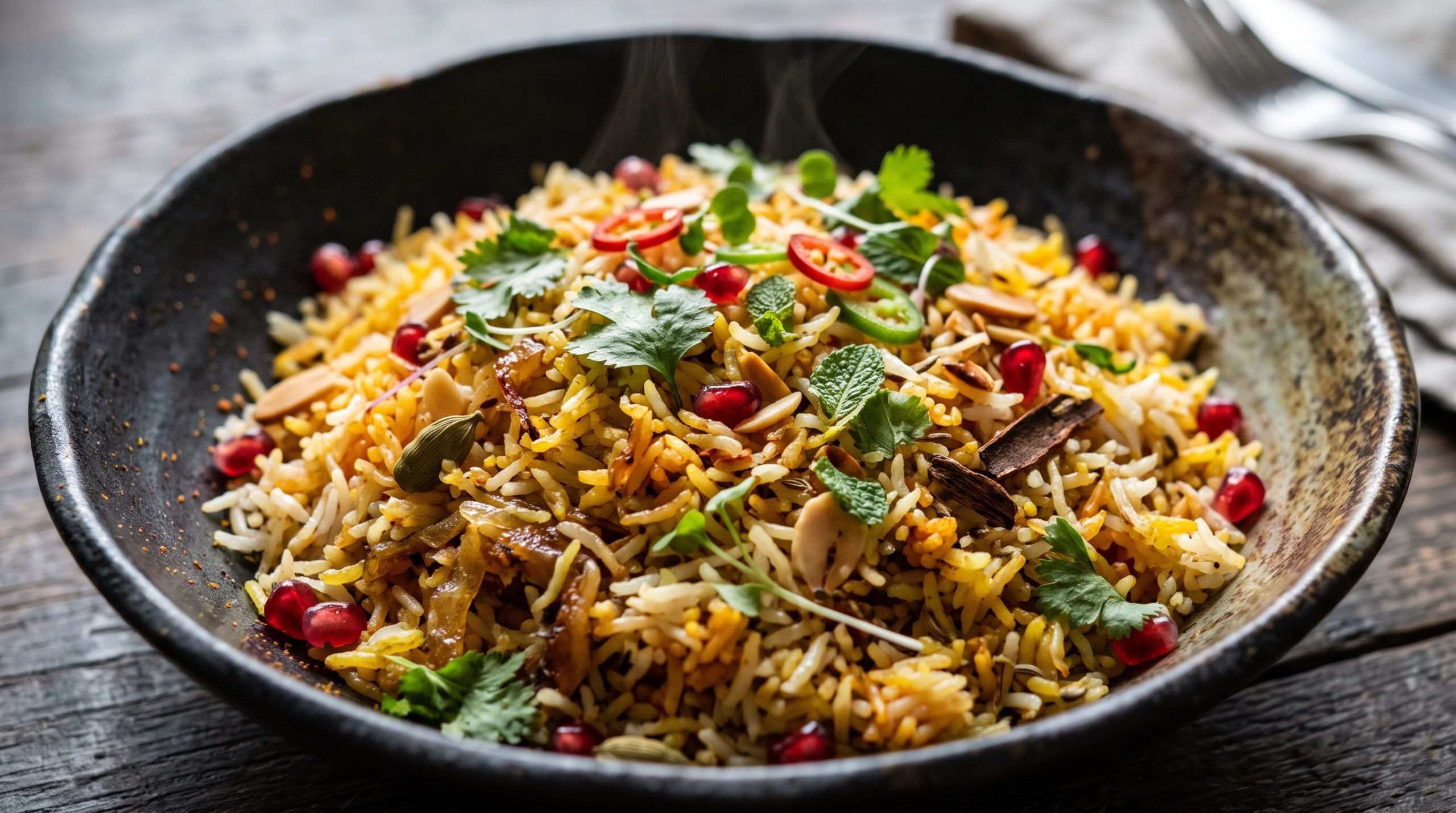
Parboiled rice is an essential commodity for commercial caterers, institutional dining facilities, and central commissary kitchens. Its reinforced kernel structure makes it ideal for traditional pilafs, biryanis, and chilled grain salads.
A major operational advantage in professional food service is its resilience: parboiled grain resists clumping, does not turn mushy under extended steam-table holding, and maintains textural integrity through repeated reheat cycles.
White rice: Mass Distribution and Food Processing
Standard White rice addresses large-scale retail distribution, government procurement tenders, and commercial food manufacturing. It provides a reliable carbohydrate base for everyday side dishes, prepared broths, porridges, and savory fillings.
In industrial processing, this grain serves as a primary raw material for frozen and refrigerated ready meals, canned soup bases, puffed grain snacks, and dry soup mixes.
Nutritional Profile and Biochemical Composition

Rice serves as a clean source of complex carbohydrates, delivering steady metabolic energy release. Naturally gluten-free, low in lipids, and virtually sodium-free, long-grain rice is an essential staple in dietary and sports nutrition formulations worldwide. All nutritional parameters are formally documented in technical specifications.
| Nutritional Parameter (per 100 g dry grain) | Jasmine (0% Broken) | Parboiled (0% Broken) | White Rice (25% Broken) |
|---|---|---|---|
| Energy Value | 356 kcal / 1,489 kJ | 360 kcal / 1,506 kJ | 365 kcal / 1,527 kJ |
| Protein | 7 g | 7.5 g | 7.1 g |
| Total Fat | 0.7 g | 1 g | 0.7 g |
| of which saturated fat | 0.2 g | 0.3 g | 0.2 g |
| Total Carbohydrates | 79 g | 78 g | 80 g |
| of which sugars | 0.1 g | 0.2 g | 0.1 g |
| Salt | 0.01 g | 0.01 g | 0.01 g |
The standard nutrient values and energy metrics per 100 g of dry grain reflect representative biochemical profiles for each variety. Certified analytical batch values are detailed in the manufacturer’s technical data sheets upon commercial inquiry.
Laboratory Quality Control, Food Safety, and Certification Standards
In wholesale international rice supply, quality compliance is verified through multi-tier laboratory analysis spanning raw paddy intake to container seal placement. Processing mill facilities operate under certified quality management systems compliant with ISO 9001:2015, ISO 14001:2015, ISO 22000:2018, HACCP, BRCGS, and Kosher OU standards.
Official certification copies and comprehensive technical specifications for each rice grade are supplied alongside commercial tenders, providing complete documentary traceability.
Export Documentation and Trade Compliance
Cross-border cargo movements are accompanied by a complete suite of commercial, sanitary, and shipping documents. Standard export dossiers comprise the Commercial Invoice, Packing List, Clean on Board Bill of Lading, Certificate of Origin, Phytosanitary Certificate, Certificate of Analysis (CoA), and official Product Specification sheets.
This rigorous documentation shields importing buyers from customs clearance bottlenecks and confirms adherence to destination-market sanitary standards. To review testing protocols in detail, explore the company’s multilevel quality control framework.
Import Architecture, Private Label Programs, and MIC-TRADE Export Solutions

MIC-TRADE facilitates international B2B rice procurement, tailoring supply configurations to client business models. Each rice grade is available across packaging formats ranging from 1 kg to 50 kg: consumer retail packs of 1 kg, 2 kg, and 5 kg with high-resolution flexographic print under the proprietary White Gold Rice brand or customer label, alongside wholesale bags of 25 kg and 50 kg for commercial foodservice operators, repackers, and industrial processors.
FCL Container Logistics and Multi-Product Shipments
Dry rice shipments are executed in 20-foot Full Container Loads (FCL) directly from major seaports in Thailand under CIF, CFR, or FOB Incoterms rules, with a standard minimum order quantity (MOQ) of 100 metric tons.
Key B2B procurement advantages include strictly audited broken grain ratios (0% for premium Jasmine and Parboiled, guaranteed 25% for standard White rice), mandatory pre-shipment laboratory inspection, and the flexibility to consolidate multiple rice varieties and packaging formats within a single container lot to balance inventory turnover across retail and catering channels.
Contract Manufacturing and Private Label Customization
For retail supermarket chains and brand distributors developing proprietary product lines, MIC-TRADE provides a full-service Private Label program. Scope covers custom varietal selection or custom blending, contractually specified milling degree, broken fraction and moisture tolerances, tailored pouch or sack formats, and full support for packaging design or regulatory compliance labeling.
Partnering with MIC-TRADE for direct-from-origin grain supply provides commodity buyers with a dependable procurement channel backed by international trading expertise and strict food safety compliance. To request contract terms and detailed product specifications, contact the MIC-TRADE specialist team.