

Kitchen of the World, Engine of Re-Export: Deconstructing Thailand’s Multi-Billion Agrifood Arbitrage
Thailand has mastered a rare agrifood paradox: operating simultaneously as Southeast Asia’s dominant agricultural breadbasket and as an indispensable global processing nexus that converts imported protein and feedstocks into high-value consumer exports. Behind a commanding $41.9 billion export engine lies an evolving $16.8 billion import architecture driven by livestock feed deficits, industrial seafood inputs, and urban dietary shifts.
Across global commodity markets, the Kingdom of Thailand occupies an exceptional dual position. Long celebrated under the state-backed moniker ‘Kitchen of the World’, the country stands among the few emerging economies capable of generating massive net agrifood surpluses. Annual Thai agricultural and processed food outbound shipments reach $41,909.5 million against an inbound food bill of $16.8 billion. This formidable performance is not merely the output of abundant tropical monsoon soils; rather, it reflects a sophisticated structural transformation from primary crop farming into an advanced industrial food refinery.
Yet behind this outward resilience sits a structural trade dependency that commodity desks and corporate procurement directors monitor closely. Thailand’s expansive poultry, livestock, and aquaculture sectors operate on a structural deficit of temperate proteins and carbohydrates. Simultaneously, the country’s world-leading canned seafood industry functions as a high-throughput processing platform, relying on deep-sea fishing fleets across the Pacific and Indian oceans to supply raw material that domestic waters can no longer sustainably provide.
As urban wages rise and the country navigates a profound demographic transition, the domestic consumer basket is diversifying away from basic caloric staples toward value-added nutrition, premium animal proteins, and convenience retail. The result is a two-tier agrifood economy: one anchored in the procurement of mega-bulk commodities to sustain world-class export value chains, and another increasingly exposed to global food inflation, freight volatility, and shifting geopolitical corridors.
1. Demographics, Diet, and Consumer Dynamics
Thailand’s domestic food consumption profile is undergoing a generational shift shaped by demographic realities. With a population of 71,619,863, the Kingdom is aging more rapidly than nearly any other developing nation in East Asia. Concurrently, an urban concentration exceeding 53%—centered heavily around the Greater Bangkok Metropolitan Region—has fostered an expansive modern grocery and convenience store network that dominates daily retail transactions. This structural urbanization, combined with an annual influx of over 35 million international tourists and a resident migrant workforce of roughly 3 to 4 million, creates distinct demand tiers within the domestic agrifood ecosystem.
Traditional Thai dietary architecture remains fundamentally rooted in polished rice, fresh aromatics, wild and farmed aquatic proteins, and native poultry. However, the expansion of formal retail chains, commercial bakery franchises, and quick-service restaurant networks has decoupled urban caloric intake from rural agricultural output. Wheat-based bakery goods, ready-to-eat chilled meals, and dairy-fortified beverages have transitioned from aspirational Western novelties into daily dietary fixtures for white-collar workers and school-age populations.
Purchasing power dynamics further delineate this consumer landscape. With a GDP per capita of $8,057, Thailand occupies a decisive middle-income bracket where basic food security is overwhelmingly achieved, but discretionary spending is sensitive to household debt levels and general macroeconomic headwinds. In lower-tier provinces and agricultural heartlands, price-elastic bulk staples dictate purchasing decisions. In urban centers, by contrast, a growing middle class demonstrates willingness to pay premiums for cold-chain dairy, branded functional beverages, high-grade imported meats, and verified food safety standards, widening the margin between local wet-market produce and temperature-controlled supermarket shelves.
2. Scale of Food Import Reliance: Macro Realities
Despite its reputation as an agricultural powerhouse, Thailand’s domestic industrial apparatus requires substantial foreign raw inputs to maintain operational continuity. The country’s total food annual import bill stands at $16.8 billion. Rather than reflecting an inability to feed its domestic populace, this expenditure underscores an economy that has systematically outsourced the production of land-intensive and climate-incompatible agricultural inputs.
This structural orientation is crystallized in the overall trade balance. The value ratio of food imports to exports reveals that exports exceed imports by 2.5x in value terms (1 : 2.5). This places Thailand in an elite global cohort alongside exporters like Brazil, Argentina, and New Zealand, maintaining a positive commercial buffer that shields the national current account from agrifood import shocks. Where pure import-dependent nations expend critical foreign exchange reserves solely on domestic subsistence, Thailand converts foreign agricultural raw materials into exported finished goods that capture significant manufacturing margins.
On an individual consumer level, Thailand registered a food imports annual per capita figure of $235. When compared to affluent regional neighbors such as Singapore or Malaysia, where per capita import spending frequently exceeds $1,000, the Thai metric illustrates that the general population remains largely insulated from direct imported caloric dependence. Instead, a disproportionate share of that $235 per capita import spend represents capital goods and intermediary ingredients funnelled through feed mills, oilseed crushing plants, and cannery production lines prior to final distribution or re-export.
3. What Arrives at the Ports: Top-10 Food Imports
Thailand’s inbound commodity flows are heavily concentrated among industrial intermediates, animal nutrition inputs, and marine catches destined for transformation. The Top-10 food import categories accounted for an aggregate sum of $9101.61 million, representing an exact 54.2% of total food imports. This elevated concentration illustrates that procurement risk is concentrated in a tight cluster of bulk and containerized supply chains that service downstream manufacturing.
Two primary categories anchor the import manifest and define the strategic character of Thai maritime logistics: frozen pelagic fish and oilseeds. The inbound movement of frozen fish is driven primarily by Thailand’s vast cannery complex in Samut Sakhon and Songkhla, which acts as the processing sink for oceanic tuna fleets unable to land catch economically elsewhere. In parallel, massive soybean flows feed the domestic crushing sector, yielding high-protein meal required by the country’s world-class broiler poultry operations and commercial shrimp farms, alongside refined cooking oil for regional distribution.
Cereal grains represent the second structural pillar of import reliance. Because tropical climatic conditions preclude commercial domestic cultivation of wheat, Thailand’s milling sector depends entirely on seaborne deliveries of milling wheat for human consumption and feed-grade wheat to bridge domestic animal nutrition gaps. Furthermore, while the country produces significant volumes of local feed corn, domestic cultivation remains structurally insufficient to satisfy the compound feed demands of intensive broiler and swine production, necessitating large-scale complementary imports of both corn and border-trade root crops.
The remaining tiers of inbound trade encompass consumer-facing intermediates and dairy inputs where local supply faces biological or industrial constraints. Unsweetened milk powder and concentrated dairy preparations supply domestic confectionery, recombined liquid milk, and beverage bottling plants, as the local dairy herd cannot meet nationwide processing needs. High-value food preparations, seasonings, and infant nutritional formulations enter through formal multi-temperature logistics corridors to supply retail supermarket shelves, while crustacean and specialty fresh fish imports serve high-end metropolitan food service and tourism demand.
Top-10 Food Imports — Thailand
Official UN Comtrade Data · Top 10 Total: $9101.61M (54.2% of total)








4. Supply Chain Geography: Who Feeds the Country and Why
Thailand’s inbound trade corridors reflect a pragmatic blend of geographic proximity, multilateral free-trade mechanisms, and deep-water bulk transport economics. Across core bulk commodities, procurement strategies are engineered to minimize freight transit times while guaranteeing continuous multi-million-tonne deliveries to industrial processing hubs located along the Gulf of Thailand.
In the oilseed and feed grain sector, South America and North America maintain an overwhelming strategic presence. Brazil supplies 86% of Thailand’s imported soybeans, capitalizing on competitive port logistics in Santos and Paranaguá, cost-efficient bulk ocean charters through the Cape of Good Hope, and high-protein bean varieties favored by commercial crushers. The United States captures 12% of the soybean import market alongside significant volumes of distiller dried grains and milling wheat. Canada provides the remaining 2% of specialized non-GMO and food-grade soybean varieties. Wheat supplies are strategically sourced across the Pacific Rim and Black Sea, with Australian hard wheat and North American spring varieties dominating the flour milling sector, supplemented by Indian and regional grain when price spreads widen.
Marine protein origins highlight Thailand’s central position within Pacific maritime supply networks. For frozen fish inputs, supplies originate across a dispersed geographic arc. South Korea accounts for 11% of deliveries, functioning as an intermediary logistics consolidation base for North Pacific and distant-water catches. The Pacific island nation of Nauru (Naoero) accounts for 10% of shipments, reflecting exclusive economic zone (EEZ) licensing and direct transshipment agreements with purse-seine tuna fleets operating across the Western and Central Pacific Fisheries Commission (WCPFC) zone. India supplies 9% of shipments, predominantly comprised of wild-caught tropical demersal and pelagic species destined for re-processing.
These vast flows converge on Thailand’s modernized deep-sea port infrastructure, predominantly the Laem Chabang port complex in Chonburi province and the specialized private bulk terminals lining the Chao Phraya River. To support these supply routes, the Thai government maintains comprehensive biosecurity protocols and tariff quota systems overseen by the Department of Internal Trade and the Department of Agriculture. Bilateral and regional frameworks—notably the ASEAN Free Trade Area (AFTA), the Regional Comprehensive Economic Partnership (RCEP), and dedicated bilateral FTAs with Australia and New Zealand—grant tariff-free or preferential duty access for essential dairy, grain, and seafood inputs, mitigating landed raw material costs for domestic processors.
Frozen fish
(Import · $2115.1M)
Soybeans
(Import · $1929.3M)
 Rice
(Export · $6455.4M)
 Berries & kiwi
(Export · $4424.7M)
5. Seafood Market: Domestic Harvest vs Global Sourcing
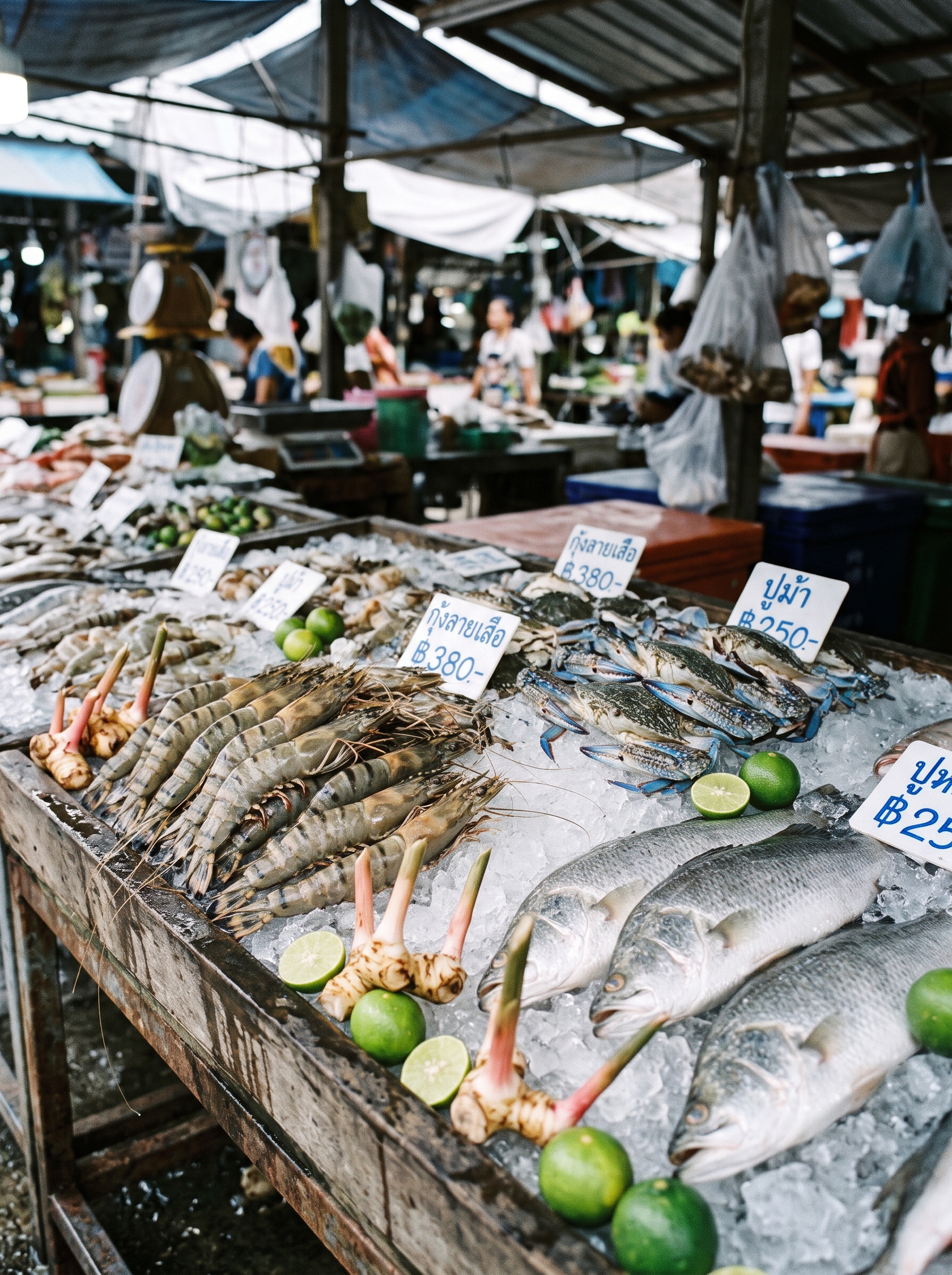
The seafood sector epitomizes Thailand’s position in global commodity arbitrage. Having largely depleted its immediate territorial waters in the Gulf of Thailand through historical overfishing, the country successfully transitioned from an extractive capture fishing nation into an industrial transformation platform. Annual Thai seafood exports across key monitored categories generate an imposing total value of $4,341.0 million, demonstrating how effectively the Kingdom adds value to imported marine raw materials.
The structural composition of these export flows underscores this industrial reality. Canned and prepared fish represents the uncontested cornerstone of the aquatic trade balance, generating $3,212.2 million in outbound trade. This segment is directed primarily toward sophisticated Western consumer markets: the United States absorbs 22% of exports, while Japan secures an 11% share, followed by diversified shipments to the European Union, Australia, and the Middle East. These outbound deliveries are directly enabled by the inbound importation of frozen fish, demonstrating that the Thai cannery cluster operates essentially as a bonded customs manufacturing engine that monetizes disciplined labor, advanced retort packaging, and strict sanitary compliance.
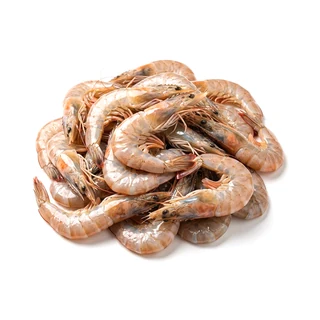
The higher-value aquaculture and frozen segments follow distinct commercial channels. Shrimp and crustacean exports generated $725.8 million, driven by modern biosecure vannamei aquaculture facilities. Mainland China serves as the premier destination for these shipments, absorbing 40% of total export value, followed by the United States at 19%. Frozen fish and fillets yielded $355.1 million in export receipts, heavily steered toward Japan (62%) and the United States (19%), where stringent cold-chain traceability and Japanese sashimi-grade Hazard Analysis Critical Control Point (HACCP) standards govern procurement. Fresh and chilled fish exports, totaling $47.9 million, remain a regional logistics affair, with neighboring Malaysia capturing 78% of flows via land border crossings and Hong Kong taking 8% via air-freight corridors.
Total annual seafood import value: $4341.0M



6. Domestic Agrifood Footprint and Export Horizons
Thailand’s domestic agrarian footprint is among the most productive and structurally diversified in the tropical world. The Central Plains and the vast northeastern Khorat Plateau form an uninterrupted agricultural corridor anchored by intensive irrigation networks and multi-crop annual rotations. This domestic land base enables the Kingdom to generate exportable surpluses across multiple staple categories without sacrificing domestic caloric security.
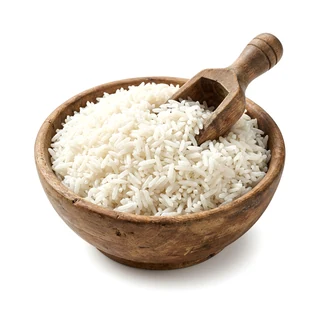
The flagship of this agricultural engine remains the rice sector. Annual Thai rice exports deliver $6455.39 million, consolidating the nation’s status alongside India and Vietnam as the arbiters of global grain trade. Thai shipments encompass long-grain white varieties, parboiled rice, and premium Hom Mali (jasmine) fragrant grain, supplying diversified commercial and humanitarian demand across North America, the Middle East, and Sub-Saharan Africa. The export profile is characterized by strategic dispersion: the United States captures 16% of value—predominantly high-value packaged jasmine rice—while Iraq accounts for 11% in public grain tenders, and South Africa takes 9% of parboiled and white grain volumes.
Complementing traditional field crops is a burgeoning, high-margin tropical fruit export complex. Outbound shipments of fresh, chilled, and processed specialty fruit (classified under HS 0810, predominantly fresh durian alongside tropical berries and mangosteen) surged to $4424.66 million. This trade corridor is extraordinarily concentrated: mainland China absorbs an overwhelming 95% of total export value. Backed by dedicated cross-border cold-chain corridors through Laos and Vietnam, as well as direct sea routes to Guangzhou and Shanghai, the Thai durian trade represents one of the most lucrative single-commodity bilateral flows in modern agricultural commerce.
Beyond unmanufactured crops, corporate agro-industrial conglomerates have established global supremacy in protein processing and industrial biotechnology. Outbound shipments of prepared and preserved meats—primarily cooked, seasoned, and vacuum-sealed poultry products tailored for European and Japanese food service chains—surpassed $3,106 million. In tandem, domestic sugarcane processing yields over $2,422 million in refined and raw sugar exports, while cassava cultivation fuels an export-driven native and modified starch sector generating $1,640 million for industrial food manufacturing, paper binding, and bioplastics. By consistently reinvesting operating cash flows into automated poultry processing, enzymatic starch modification, and retort food packaging, Thailand has insulated its export margins from the pure boom-and-bust cycles of raw commodity trading.
Key Agrifood Export Commodities — Thailand
Outbound trade structure





7. Five-Year Trade Evolutions and Strategic Outlook
Over the five-year trajectory, Thailand’s agrifood import architecture expanded significantly, with total food imports rising 37% from $12.26 billion to $16.8 billion. This expansion has been characterized by sharp sectoral divergences, reflecting an evolving domestic livestock economy, premiumizing urban retail consumption, and structural changes in raw material input sourcing.
The fastest-growing import category was frozen fruit (HS 0811), which registered an extraordinary 664% expansion over the period to reach $239.3 million. Among key contributing drivers, this growth is likely linked to the rapid scaling of domestic beverage processing, commercial bakery applications, and ice-cream manufacturing, where industrial operators import frozen temperate berries and purées to formulate western-style convenience products for both domestic retail and regional distribution. In parallel, bovine protein imports underwent a marked acceleration: chilled beef expanded by 311% to $77.8 million, while frozen beef rose by 222% to $177.3 million. This trajectory correlates with the proliferation of premium steakhouse dining, Japanese barbecue franchises, and modern supermarket butchery counters across tier-one urban centers, combined with a structural domestic cattle deficit that cannot satisfy rising metropolitan demand.
Within agricultural feedstocks, feed corn imports exhibited a sharp 245% increase, reaching $546.8 million. The growth is likely linked to persistent domestic feed grain deficits, where expanding commercial broiler export quotas and swine herd repopulation efforts outpaced local harvest volumes, prompting millers to ramp up seasonal imports under tariff-rate quotas. Concurrently, specialty culinary imports like olive oil experienced a 155% increase to $48.5 million, reflecting heightened health consciousness, Westernization of culinary preferences among affluent demographics, and the requirements of the high-end international hospitality sector.
Conversely, structural contractions emerged across select legacy categories. Imports of dried vegetables (HS 0712) contracted by 63% to $111.7 million, while imported shrimp and crustacean inputs dropped by 35% to $156.3 million. Among key contributing drivers, the decline in crustacean imports is likely linked to enhanced domestic broodstock independence, heightened sanitary import inspections, and cost-efficiency adjustments by local processors favoring domestically farmed vannamei stocks over foreign-sourced crustaceans amid fluctuating global freight rates.
For international commodity desks, trade financiers, and multinational food ingredients suppliers, Thailand presents an enduring, highly liquid market characterized by disciplined counterparty risk and sophisticated supply chain infrastructure. Sustained market penetration will depend on navigating volatile ocean freight environments, aligning with corporate sustainability and anti-deforestation standards (such as EUDR-compliant soybean sourcing), and capitalizing on the country’s expanding processing appetite for functional, dairy, and feed-grade intermediate inputs.
 Frozen fruit ($239.3M)
+664%
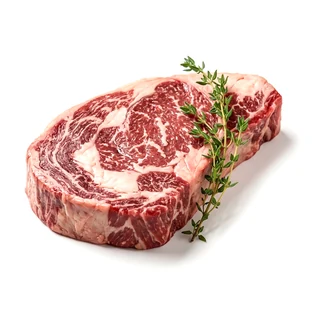 Beef, chilled ($77.8M)
+311%
Corn ($546.8M)
+245%
 Beef, frozen ($177.3M)
+222%
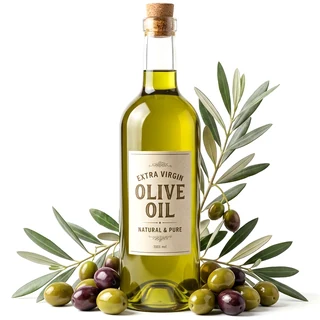 Olive oil ($48.5M)
+155%
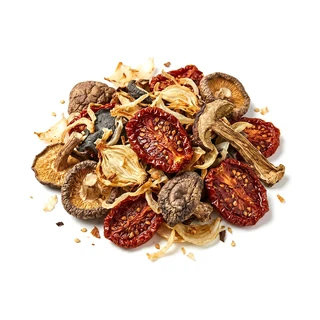 Dried vegetables ($111.7M)
-63%
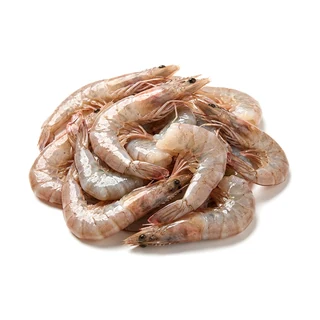 Shrimp & crustaceans ($156.3M)
-35%
About the study: Agrifood market overview prepared by the analytical desk of MIC-TRADE (International Food Trading Company) based on official annual trade statistics from the United Nations Comtrade database and the World Bank. The calculated average price per tonne ($/t) represents a unit value aggregating various product specifications, grades, and delivery terms.