

Tongol Tuna: Delicate Texture, Marine Flavor, and Chunks & Flakes Cuts
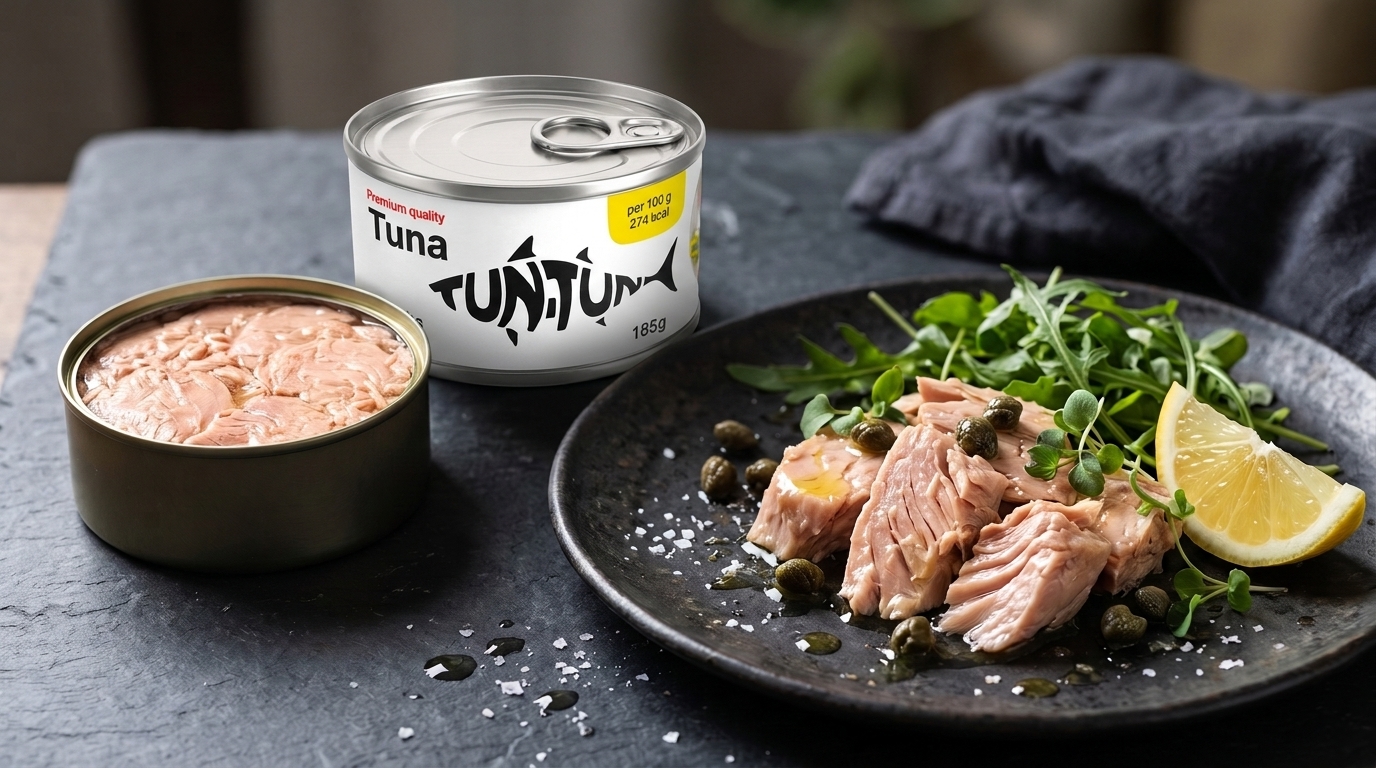
In contemporary gastronomy and international seafood supply chains, tuna holds a core position owing to its clean marine profile and wide culinary versatility. Alongside established species such as Albacore (Thunnus alalunga) and Yellowfin (Thunnus albacares), chefs and procurement teams are increasingly sourcing Thunnus tonggol—longtail tuna, widely known in global trade as Tongol. Buyers select it for raw-material quality comparable to Albacore and Yellowfin, availability in both Chunks and Flakes cuts, and suitability across plated restaurant dishes and industrial ready-meal production. For commercial kitchens, retail chains, and distributors, Tongol pairs premium selection standards with practical packaging formats. Large Chunks maintain structural integrity in salads, grain bowls, and pasta, while smaller Flakes blend evenly with other ingredients in sandwiches, sauces, spreads, fillings, and prepared meals. Offering packs in both refined soybean oil and water enables buyers to tailor flavor richness and caloric density per serving. This technical overview examines the natural origin of Thunnus tonggol, its organoleptic characteristics, cut selection standards, nutritional profile, and international export logistics. It is designed to help procurement officers, executive chefs, and food technologists across global markets specify canned tuna in the MIC-TRADE catalog for retail shelves, HoReCa operations, and industrial processing.
Natural Origin and Biology of Thunnus tonggol
Longtail tuna (Thunnus tonggol) is a tuna species native to the coastal and open waters of the Indo-West Pacific region. Under the official classification of the Food and Agriculture Organization of the United Nations (FAO), its recognized international designation is Longtail tuna. Originating from the Indo-West Pacific, the species is supplied commercially in Chunks and Flakes cuts.
In international B2B trade, precise scientific and commercial nomenclature is essential when drafting product specifications and approving label copy. In global commerce, this species is designated as longtail tuna and tongol tuna (EN), atún tongol (ES), and «тунець довгохвостий» (UA). Accurate species naming and clear labeling allow retail consumers and trade buyers to navigate product ranges efficiently.
Within the MIC-TRADE export portfolio, China serves as the country of origin for canned Tongol tuna. Processing is conducted in compliance with international quality management and food safety systems, serving international retail markets, HoReCa professional kitchens, and industrial food manufacturers.
Organoleptic Profile: Balance of Fish and Packing Medium
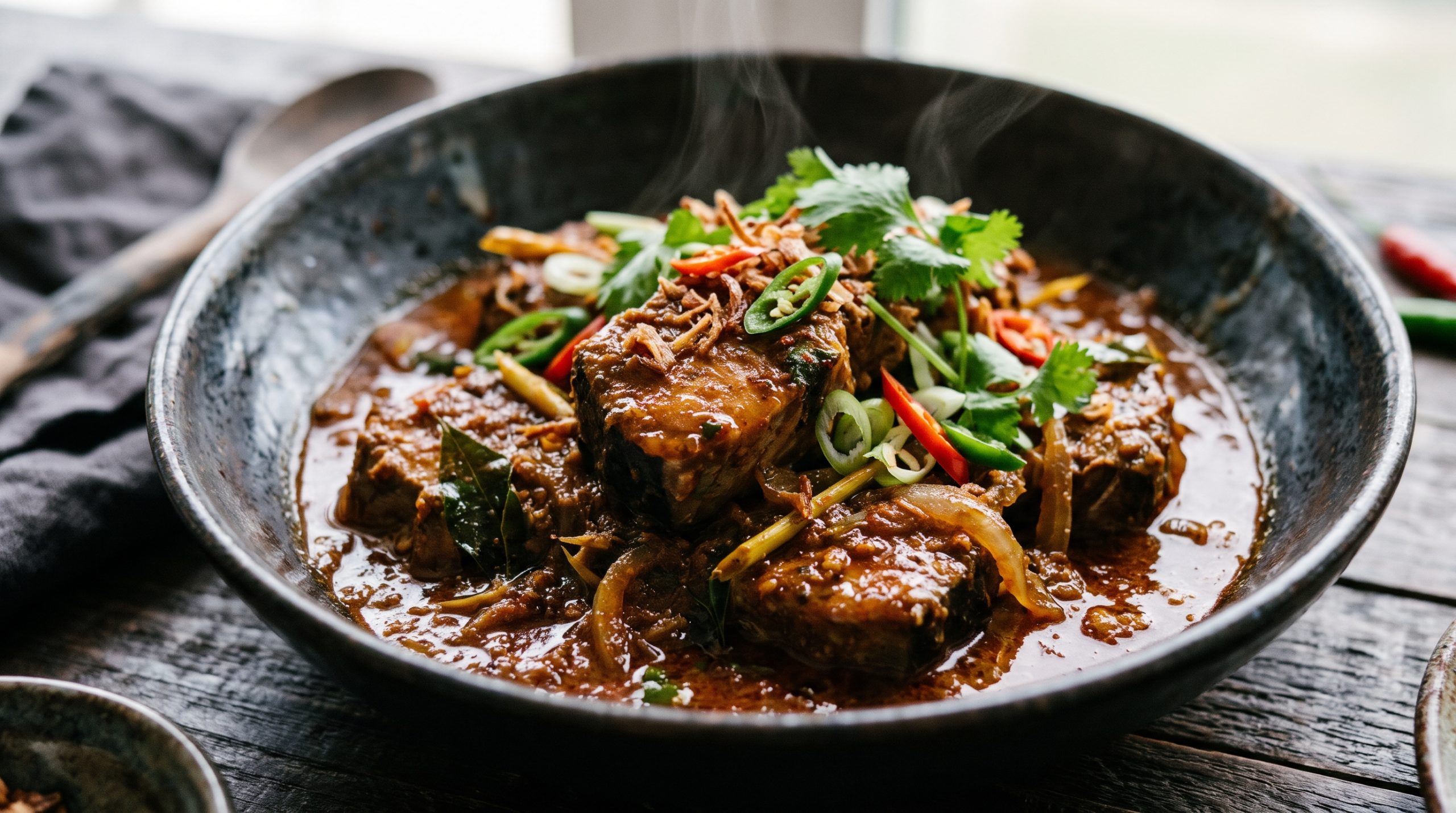
The organoleptic profile of canned Tongol tuna is shaped by the interplay between packing medium and cut format. Packs in refined soybean oil deliver a richer, softer, and fuller flavor, whereas water-packed (own juice) variants provide a lighter, more neutral taste. Texture likewise varies by cut: large Chunks retain a well-defined bite on the plate, while Flakes produce a uniform consistency across mixed preparations.
Both available cuts—Chunks and Flakes—are offered in two packing media within the catalog:
- In refined soybean oil (Oil — refined soybean oil): imparts a richer, softer, and fuller flavor profile to the tuna.
- In water / own juice (Water): delivers a lighter, more neutral taste that leaves room for culinary dressings, herbs, and spices.
The fish-to-medium ratio is equally critical to yield and cost control. For a standard 185 g can, the formulation consists of 70% tuna and 30% packing medium.
Quality Anatomy, Selection, and Cut Standards
Market positioning in canned tuna depends on raw-material grading and adherence to international processing standards. Tongol products in the MIC-TRADE assortment are supplied exclusively in the Premium quality tier—matching the grading and packaging standards established for Albacore (Thunnus alalunga) and Yellowfin (Thunnus albacares). This allows importers to integrate Tongol into the same premium product tier as Albacore and Yellowfin.
Two functional cut formats are produced for Tongol tuna: Chunks and Flakes. When planning SKU matrices, buyers should note the species-specific processing distinction: the Shredded cut is available exclusively for Skipjack and is not produced for Tongol. Concentrating on two clearly differentiated fractions simplifies selection for both retail shoppers and foodservice purchasing managers.
Chunks vs. Flakes: Functional Differences in the Kitchen
The Chunks cut consists of large pieces that hold their shape and preserve a clean, distinct structure on the plate. This format is suited to applications where tuna serves as a visual centerpiece, including composed salads, grain bowls, and pasta dishes.
The Flakes cut comprises smaller pieces that incorporate smoothly with other ingredients to create a cohesive texture in mixtures. In HoReCa kitchens and ready-meal manufacturing, this fraction is practical for sandwiches, fillings, sauces, and cold or warm appetizers.
Culinary Applications Across HoReCa and Home Kitchens
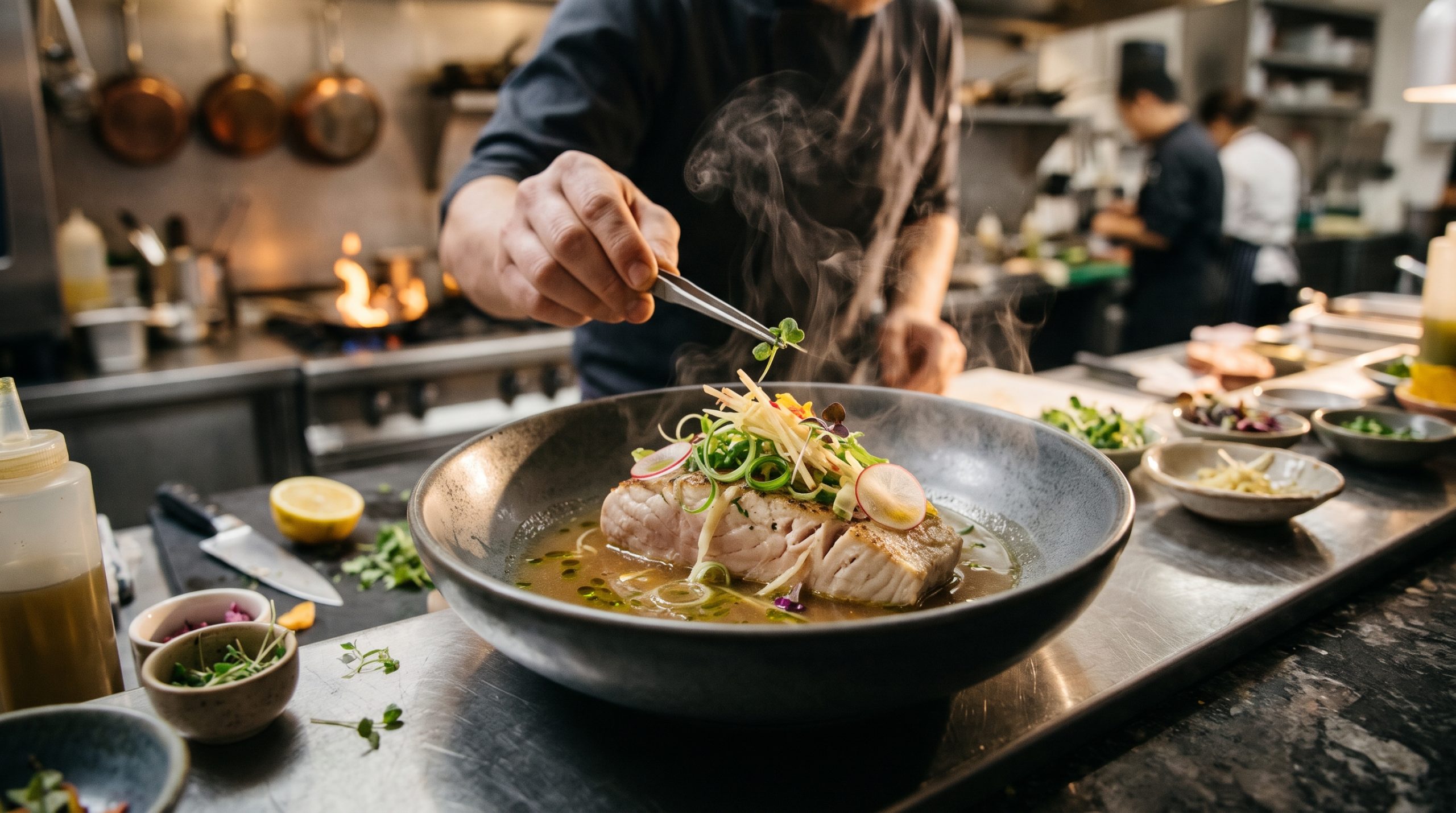
Culinary applications for Tongol tuna span salads, bowls, pasta, sandwiches, fillings, sauces, appetizers, and prepared meals. By selecting between water-packed tuna with its lighter, neutral profile and refined soybean oil packs with a richer, fuller mouthfeel, chefs can calibrate the ingredient to specific recipes. In practice, Tongol pairs well with fresh herbs, olives, capers, tomatoes, sesame dressings, and soft cream cheeses.
Plating with Chunks: Focus on Structure and Visual Clarity
Large Chunks hold their form in salads, bowls, and pasta dishes where visible piece integrity matters. For restaurant or home plating, this cut fits classic Salade Niçoise with green beans, egg, and cherry tomatoes, as well as rice or quinoa bowls topped with avocado, cucumber, and citrus vinaigrette.
In pasta preparations, Chunks are typically folded in at the end of cooking once al dente pasta has been tossed with olive oil, garlic, and lemon zest. Water-packed tuna supports lighter formulations, while refined soybean oil packs are preferred where a richer, softer, and fuller flavor is desired.
Flakes Applications: Uniformity in Mixtures and Prepared Dishes
Smaller Flakes provide uniform dispersion in mixtures and streamline preparation for sandwiches, fillings, sauces, appetizers, and ready meals. Across café, bakery, and bistro menus, this format works effectively as a base for tuna melts, club sandwiches, stuffed focaccia, or tonnato-style caper sauces for chilled starters.
For cold spreads, salad fillings, and appetizers, operators frequently specify Flakes in water for its lighter, neutral taste, combining the fish with Greek yogurt, cream cheese, celery, and lemon juice. Conversely, warm pasta sauces, savory baked goods, and casseroles benefit from the refined soybean oil pack, which contributes higher richness and depth of flavor.
Nutritional Biochemistry and Macro Profile
As a marine species, tuna is a natural source of complete protein. The nutritional and energy values of canned Tongol tuna vary according to the packing medium, allowing food technologists and menu planners to manage protein, fat, carbohydrate, and salt targets accurately.
Typical nutritional values per 100 g of product (based on a 185 g can containing 70% tuna and 30% packing medium) differ substantially in fat content and energy density depending on the medium. The water-packed variant delivers 21.2 g of protein and 0.7 g of fat at 92 kcal / 386 kJ, whereas tuna in refined soybean oil provides 19.8 g of protein and 21.4 g of fat at 268 kcal / 1124 kJ. Full nutritional figures are detailed in the table below.
| Parameter (per 100 g product, 185 g format) | Tuna in refined soybean oil | Tuna in water |
|---|---|---|
| Energy | 268 kcal / 1124 kJ | 92 kcal / 386 kJ |
| Protein | 19.8 g | 21.2 g |
| Fat | 21.4 g | 0.7 g |
| of which saturates | 3.4 g | 0.2 g |
| Carbohydrates | 0.5 g | 0.4 g |
| of which sugars | 0.2 g | 0.1 g |
| Salt | 0.3 g | 0.6 g |
Offering both nutritional profiles enables HoReCa operators and food processors to match the product to distinct culinary and dietary specifications. The water pack suits lower-calorie recipes requiring a lighter, neutral profile, while refined soybean oil packs serve formulations requiring higher energy density and a richer, softer flavor.
Canning Technology and Quality Control
Tongol tuna production in China operates under international quality management and food safety frameworks, including HACCP, ISO 9001:2015, ISO 14001:2015, ISO 22000:2018, BRCGS, and Kosher OU. Copies of applicable certificates are supplied alongside commercial offers and technical product specifications.
The product is packed in hermetic tin cans and retort pouches; glass jars and bulk bags are not listed in the catalog for this item. For the standard 185 g can, the composition ratio is 70% tuna to 30% packing medium—either water or refined soybean oil.
Parameters such as Brix and pH, along with specific shelf-life durations and storage temperature regimes, are not fixed in the public catalog; complete technical parameters and full manufacturing specifications for each species and pack size are provided upon buyer request. Halal certification is not listed in the catalog for this SKU. Further details on the company’s verification procedures are available on the MIC-TRADE quality standards and certification page.
Packaging Formats and International Import via MIC-TRADE
Packaging format directly determines how seamlessly canned tuna integrates into retail merchandising and commercial kitchen workflows. The Tongol tuna range covers 10 weight formats spanning from 80 g to 1,880 g, addressing core distribution channels:
- Retail segment: small easy-open cans (80 g, 120 g, 140 g, 160 g, 170 g, 185 g), tailored for retail shelf placement with clear product naming and consumer-ready labeling.
- HoReCa and industrial processing: institutional cans of 1,000 g and 1,880 g, alongside 500 g and 1,000 g retort pouches, engineered for commercial kitchens and food processors prioritizing ingredient performance and bulk-pack efficiency.
For international importers and distributors, range standardization provides a clear operational advantage. Because Tongol is offered at the same Premium quality tier and in identical packaging formats as Albacore (Thunnus alalunga) and Yellowfin (Thunnus albacares), buyers can consolidate a multi-species tuna portfolio—alongside Skipjack and Bonito—within a single supply chain. Combining two cuts (Chunks and Flakes), two packing media (oil and water), and 10 weight formats from 80 g to 1,880 g covers retail, HoReCa, and industrial ready-meal manufacturing requirements.
International shipments are executed strictly on a Full Container Load (FCL) basis with a minimum order quantity of 1 FCL, classified for export under HS codes 1604 14 and 1604 20. Exact net weight, drained weight, units per carton, cartons per container, stowage plans, and mixed-SKU allocations are finalized in a tailored specification during quotation preparation. Supply is available under the MIC-TRADE TUN-TUN brand or on a Private Label basis, with product specifications, labeling languages, and artwork approved prior to production.
When submitting an RFQ, buyers should specify the species, cut, packing medium, pack format, volume, sales channel, destination country, and port or city of destination. Each commercial offer is accompanied by certificate copies, technical specifications, and the agreed shipping documentation package. To submit an inquiry and align delivery terms, visit the MIC-TRADE international team contacts page.