

Dry Bean Harvest Contracts 20%: Implications for the Global Canning Market
USDA confirms raw material deficit: how processors and trade flows are responding
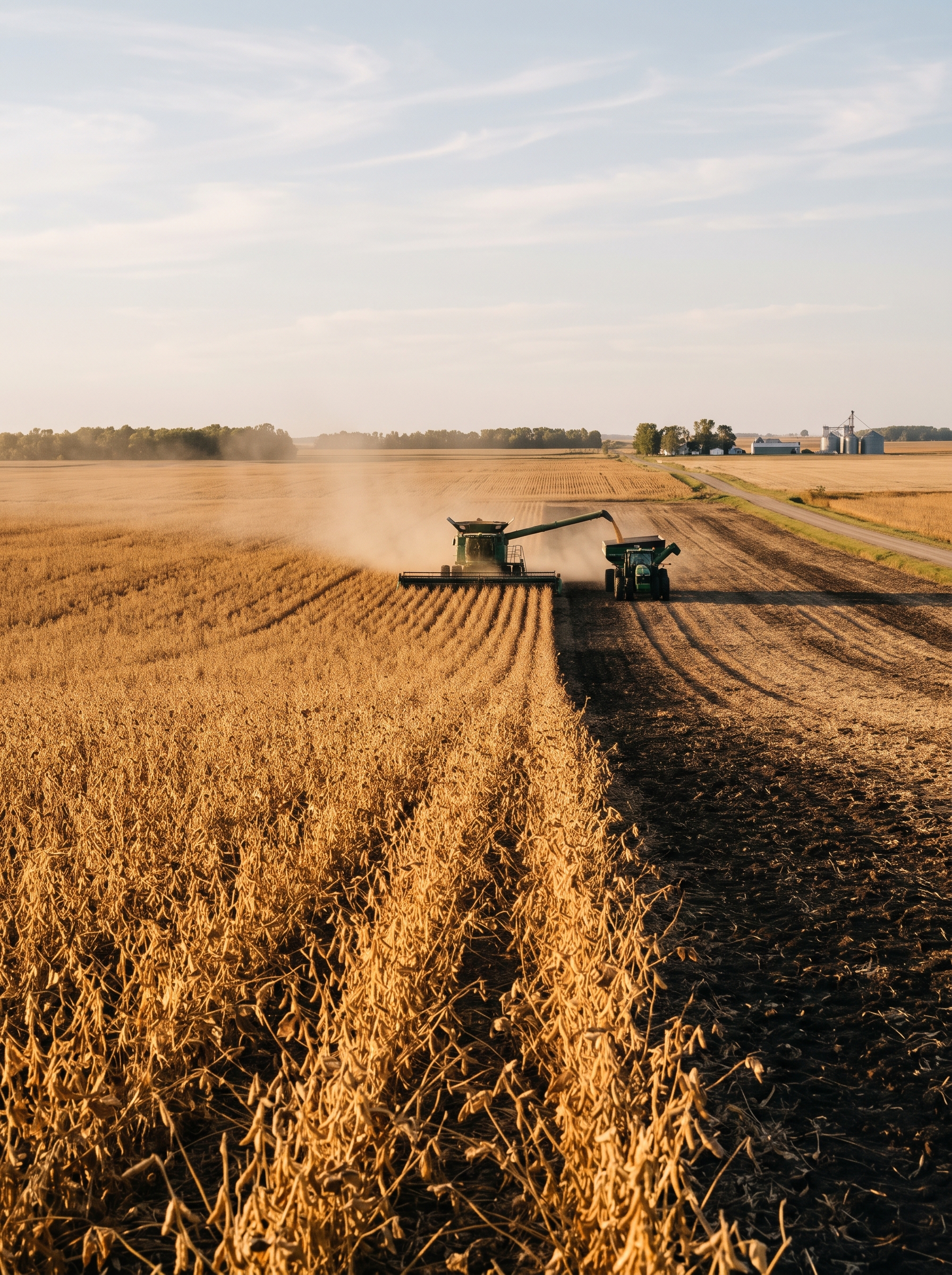
United States Department of Agriculture (USDA) reports have recorded an approximate 20% contraction in gross dry bean harvest across key North American growing regions. Because canned beans are manufactured exclusively from dry grain rather than fresh field-harvested crops, this raw material deficit exerts direct pressure on production schedules and pricing structures for processing plants across Europe — in this industry review by MIC-TRADE.
1. The Fact and Its Scale: USDA Confirms 20% Crop Contraction
According to monitoring reports from the United States Department of Agriculture (USDA), aggregate dry bean production across key North American growing regions has declined by approximately 20% compared to the previous season. This represents one of the steepest year-on-year contractions in recent years for the crop.
The shortfall has primarily impacted top producing states — North Dakota, Michigan, Minnesota, and Nebraska, which together account for the bulk of U.S. commercial-grade dry bean exports. Harvested acreage fell by roughly 17%, while yields per acre also declined due to adverse growing conditions throughout the season. Combined, this creates an acute supply deficit in the global dry grain market, which serves as the sole feedstock for the canning industry.
2. Root Causes: Drought and Acreage Reallocation
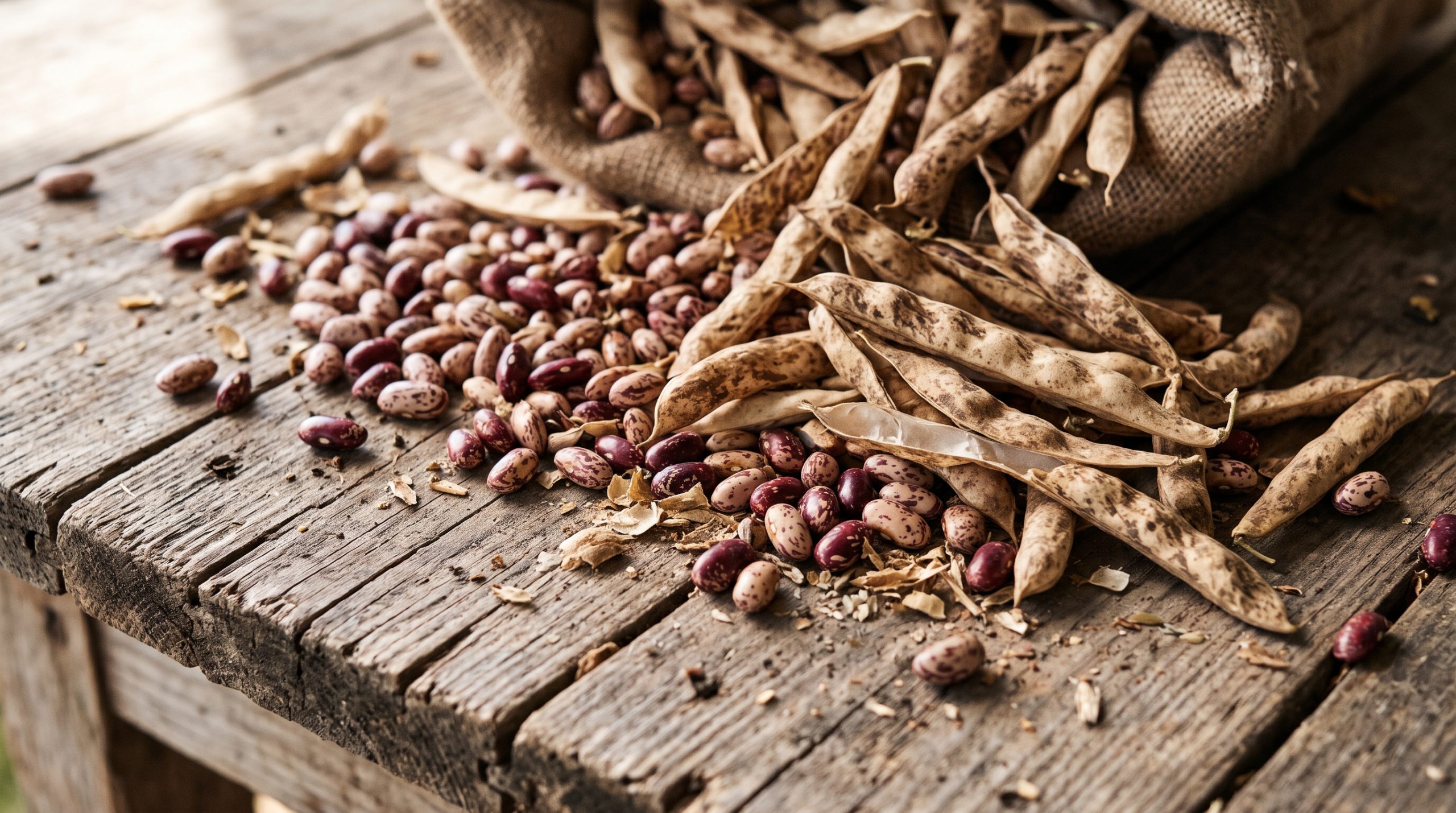
The primary agroclimatic driver this season was severe drought during critical developmental stages — flowering and pod setting. In core producing states, cumulative rainfall from May through July remained significantly below historical averages, directly depressing unit yields.
Concurrently, growers reallocated acreage toward grain and oilseed crops, which offered more favorable price outlooks this season. This structural decision at the farm level was not merely weather-driven; it reflects systemic competition for acreage under volatile commodity market conditions. Argentina, the secondary global supplier, is partially offsetting the deficit, but not in volumes sufficient to bridge the North American shortfall.
3. Market Mechanics: Why a Dry Grain Deficit Means a Canned Bean Shortage
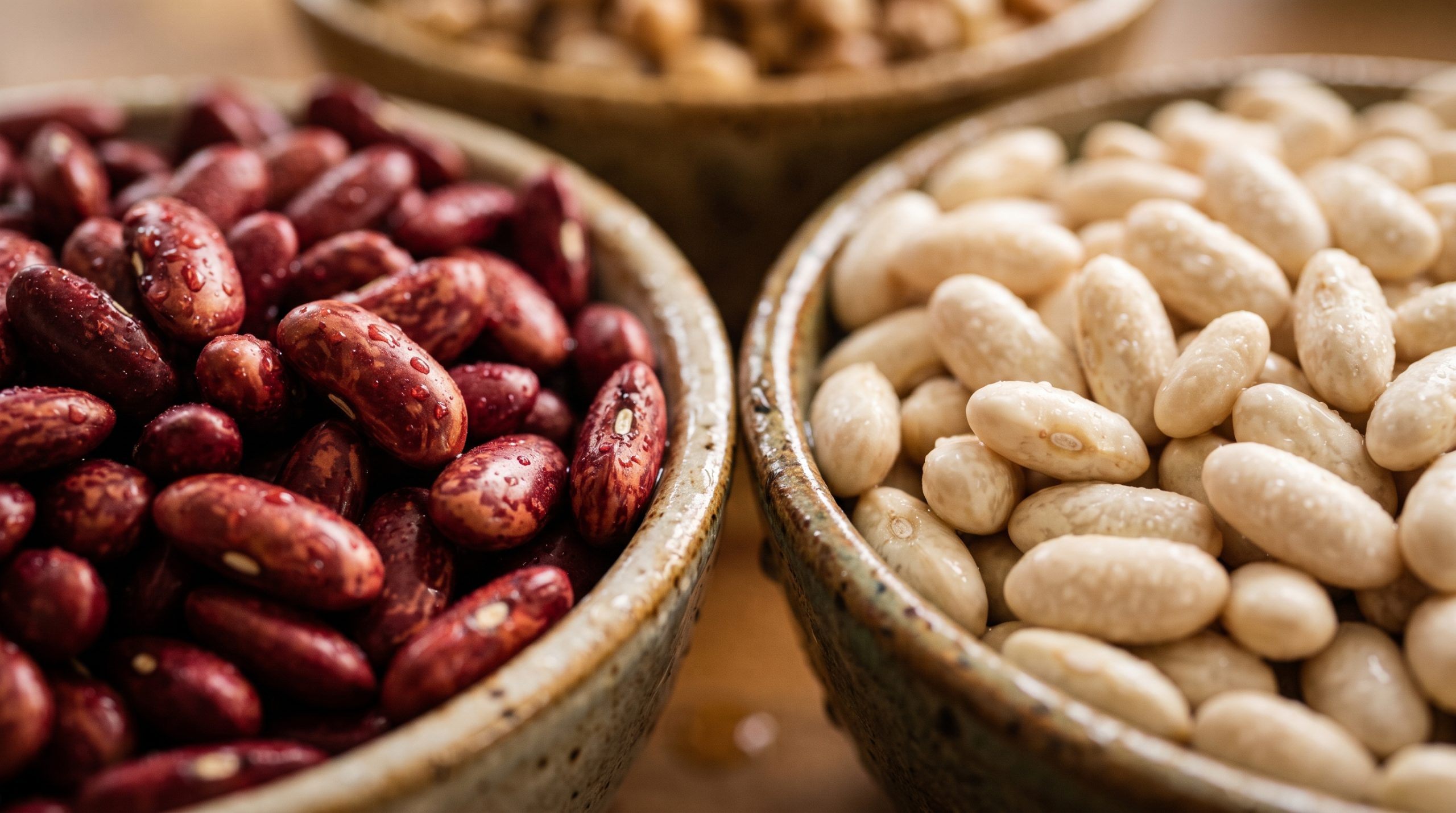
Unlike most canned vegetables — such as sweet corn or green peas, which are processed fresh during a narrow harvest window — canned beans are produced exclusively from conditioned dry grain. Processing plants have no substitute raw material: they procure dry beans, rehydrate them, blanch them, and sterilize them in retorts (autoclaves). Consequently, any supply contraction in the global dry grain market immediately and directly affects raw material availability and pricing for canners across Europe and Asia.
This dynamic leaves the canned bean sector substantially more exposed to agricultural volatility than segments operating with fresh produce. A 20% crop contraction in North America is not an abstract figure; it translates into immediate upward pressure on processor procurement costs and, by extension, wholesale prices for retail and HoReCa end-markets.

4. Industry Response: Flow Realignment and Departure from Spot Procurement
European canning operations — particularly in Italy, Poland, Spain, and France — are actively adjusting to the shifting market dynamics. Several processors are aggressively stepping up procurements from Argentina as the primary alternative to U.S. origin material. However, Argentine exporters, facing heightened demand, have pushed export offers upward, limiting the hedging effectiveness of this pivot.
A distinct market trend is the broad shift away from spot buying in favor of medium-term and annual supply contracts. Retail chains expanding private label programs are securing firm volume allocations from vetted packers well in advance. The Dark and Light Red Kidney segments face the steepest pressure due to their concentrated production geography: large-caliber kidney beans are predominantly cultivated in a handful of U.S. states, offering limited alternative origins. Conversely, Cannellini and small white beans (Navy) exhibit somewhat greater supply resilience owing to a more diversified grower base.
5. Analytical Conclusion
Analytical conclusion. The global canned bean market is entering a period of heightened price sensitivity. The 20% harvest contraction in North America alongside reduced harvested acreage creates a structural raw material deficit that cannot be rapidly compensated for by Argentina or other producing regions. Over the next 6–12 months, sustained upward pressure on procurement prices should be anticipated across all key segments — Red Kidney, Cannellini, and Navy beans.
Practical takeaway. For importers, processors, and retail and HoReCa operators, the current market reality necessitates recalibrating procurement strategies in favor of locking in volumes and terms well in advance. Companies that have historically relied on spot purchasing will face substantial friction in planning seasonal inventory. Diversifying supply origins between North and South American producers is no longer optional, but a baseline requirement for supply chain stability.
MIC-TRADE (International Food Trading Company) is an international trading company specializing in food commodity supplies and developing commercial partnerships between producers and buyers across international markets. We structure cross-border supply chains, qualify manufacturing partners, align product specifications, and manage export-import operations. We place special emphasis on commodity specifications, processing standards, quality assurance, and commercial transparency. Review our product portfolio and specifications in the canned beans catalog section. To discuss supply programs, distribution, and international cooperation, contact our team via the contact page.